
Your dog's skin is red, itchy, and impossible to ignore, and you're probably already past the point of wanting another “try this shampoo” suggestion. Treating dog skin allergy the right way means fixing the whole system, not chasing one symptom. The practical order is simple, control the itch, rule out fleas and infections, test for food triggers when that makes sense, then use prescription therapy and home control together.
Table of Contents
- Recognizing the Signs That Need a Veterinary Plan
- Getting the Right Diagnosis Before Choosing Treatment
- Running a Food Allergy Trial the Right Way
- Prescription Options for Ongoing Itch Control
- OTC Support, Topicals, and What Helps at Home
- Flea Control and Reducing Environmental Triggers
- Monitoring Response and Planning for Refills
Recognizing the Signs That Need a Veterinary Plan
The best way to treat dog skin allergy is to follow a veterinary sequence, not to guess at the rash. The 2023 AAHA approach starts with assessing and controlling itch, then checking and treating bacterial or yeast infections and ectoparasites, rechecking the dog, and only then doing a properly supervised diet trial when indicated. That's the right order because canine allergic skin disease is common in dermatology caseloads, but its true population prevalence varies by setting. A U.S. study of 31,484 dogs found atopic or allergic dermatitis in 4.7% of dogs, while referral clinics can show much higher numbers, including 18.8% dermatologic presentations with 12.7% of those classified as atopic in one Montreal clinic, and 25.65% allergic dermatitis in a Brazilian teaching-hospital population (Merck Veterinary Manual).
What should make you stop guessing
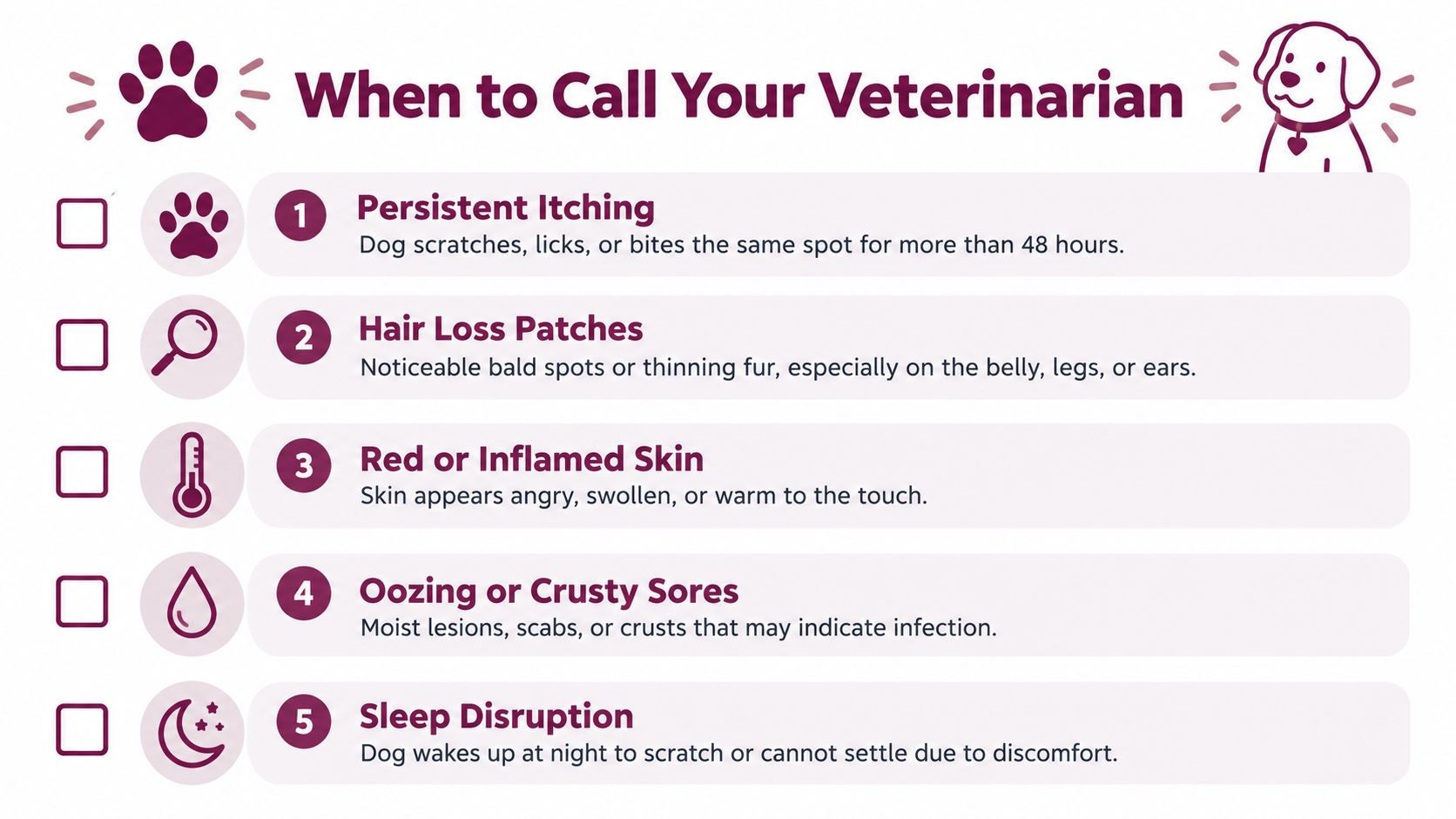
Persistent itching, recurrent ear disease, paw inflammation, redness, odor, and skin infections should trigger a vet workup, not a new over-the-counter experiment. If your dog is licking the paws every day, shaking the head, waking at night to scratch, or getting the same hot spots over and over, that's not a minor nuisance. It's a pattern.
Practical rule: if the skin problem keeps returning in the same places, or if the ears keep getting pulled into the picture, treat it as a chronic allergy problem until your veterinarian proves otherwise.
A simple itch-and-lesion diary helps. Note where the itching happens, whether the ears or paws are involved, and whether the skin smells sour, greasy, or just looks inflamed. That record makes the exam more efficient and helps your vet separate a true allergic pattern from a one-off irritation.
| Symptoms That Warrant a Vet Visit | Why It Matters |
|---|---|
| Persistent scratching or licking | Suggests ongoing inflammation, not a short-lived irritation |
| Recurrent ear redness or head shaking | Often means allergy, infection, or both |
| Paw chewing or swelling | Common in allergic dogs and easy to miss as “just habit” |
| Skin odor, crusts, or moist sores | Raises concern for secondary infection |
| Sleep disruption from itching | Means the problem is severe enough to need treatment |
If you want a useful example of how owners can think about skin problems as a broader care issue, Presidio's Native Pet case study is a good reminder that pet health content works best when it answers a real problem cleanly and clearly.
For owners trying to understand whether fleas are part of the picture, this Bandana Rx guide on whether fleas can cause hair loss in dogs is worth a look.
Getting the Right Diagnosis Before Choosing Treatment
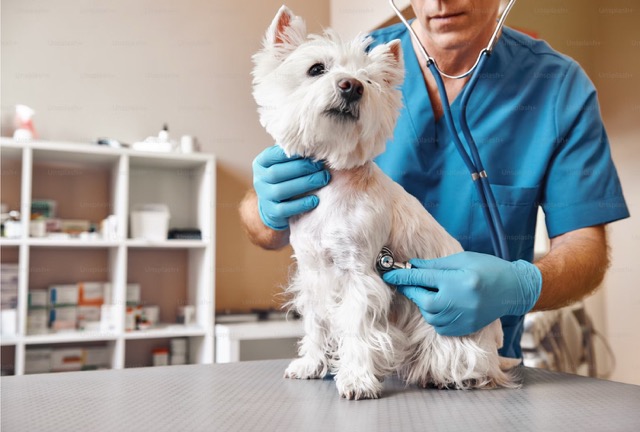
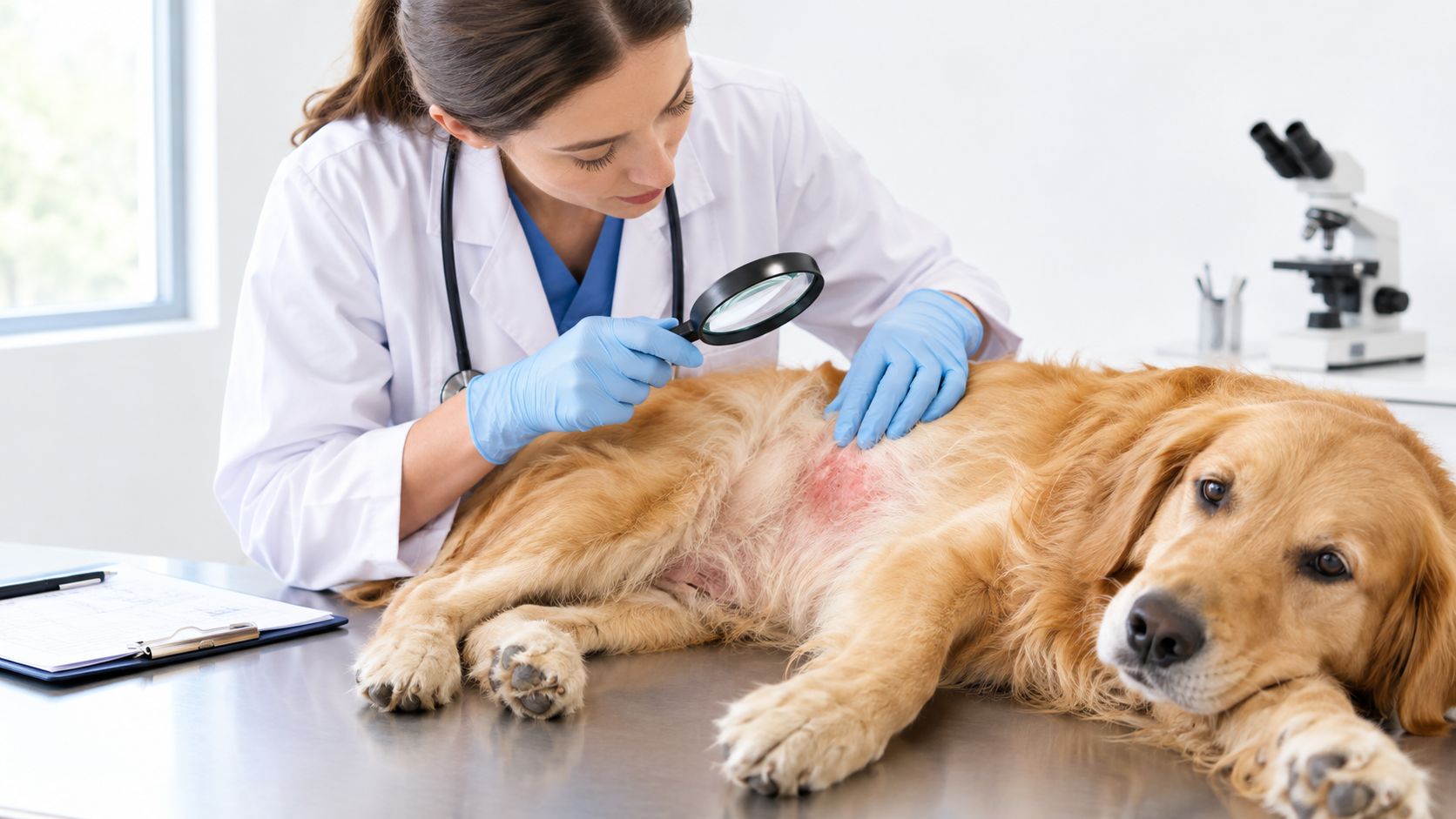
A dog with itchy skin doesn't automatically have a primary allergy. Fleas, mites, bacterial overgrowth, yeast overgrowth, and dermatophytosis can all imitate or worsen allergy signs, and if you skip them, treatment often looks like it failed. A careful exam should map where the lesions are, document pruritus with a validated scale, and look closely at the belly, feet, ears, tail base, and face. That's how a veterinarian turns “he scratches a lot” into something actionable.
What gets ruled out first
The first pass is mechanical and boring on purpose. Your vet checks flea control status, looks for mites, examines the ears, and decides whether the skin needs cytology, scrapings, or fungal testing. That sequence matters because a dog can have true allergy and still stay miserable if a secondary infection keeps stoking the itch.
A good veterinary workup also asks a blunt question: is this pattern more consistent with allergy, or with something else that just looks like allergy? Recurring otitis, greasy skin, scattered crusts, and repeated licking can all sit on top of the same underlying problem. The point isn't to label the rash quickly. The point is to avoid the wrong treatment.
Don't let a shampoo or a single anti-itch pill become your diagnosis. If the skin is infected, parasitized, or fungal, the itch will keep coming back.
The section above on warning signs matters because it tells you when to move from home care to the clinic. Here's the practical version, persistent itching, ear rubbing, paw chewing, skin odor, and moist sores belong in a veterinary exam. If any of those are present, guessing at the cause at home just wastes time.
Why infection control comes before food assumptions
Food allergy can absolutely cause skin disease, but the dog still needs a structured exam first. Infection and ectoparasite control come before food-trigger testing because they can blur the picture. If the skin settles after those problems are treated, your vet gets a clearer read on what's still driving the itch.
For owners who want a straightforward primer on the broader allergy picture, this Bandana Rx overview on reducing dog allergies fits neatly with the veterinary sequence. It won't replace an exam, but it will help you understand why the order of operations matters.
Running a Food Allergy Trial the Right Way
A food-allergy trial is a diagnostic test, not a casual diet swap. The only reliable confirmation is improvement on a strictly controlled elimination diet, then a deliberate challenge with the original ingredient list. Blood or serum allergy tests don't establish food allergy in dogs, and sloppy trials give false reassurance. If you're going to do this, do it properly.
The rules that make the trial valid
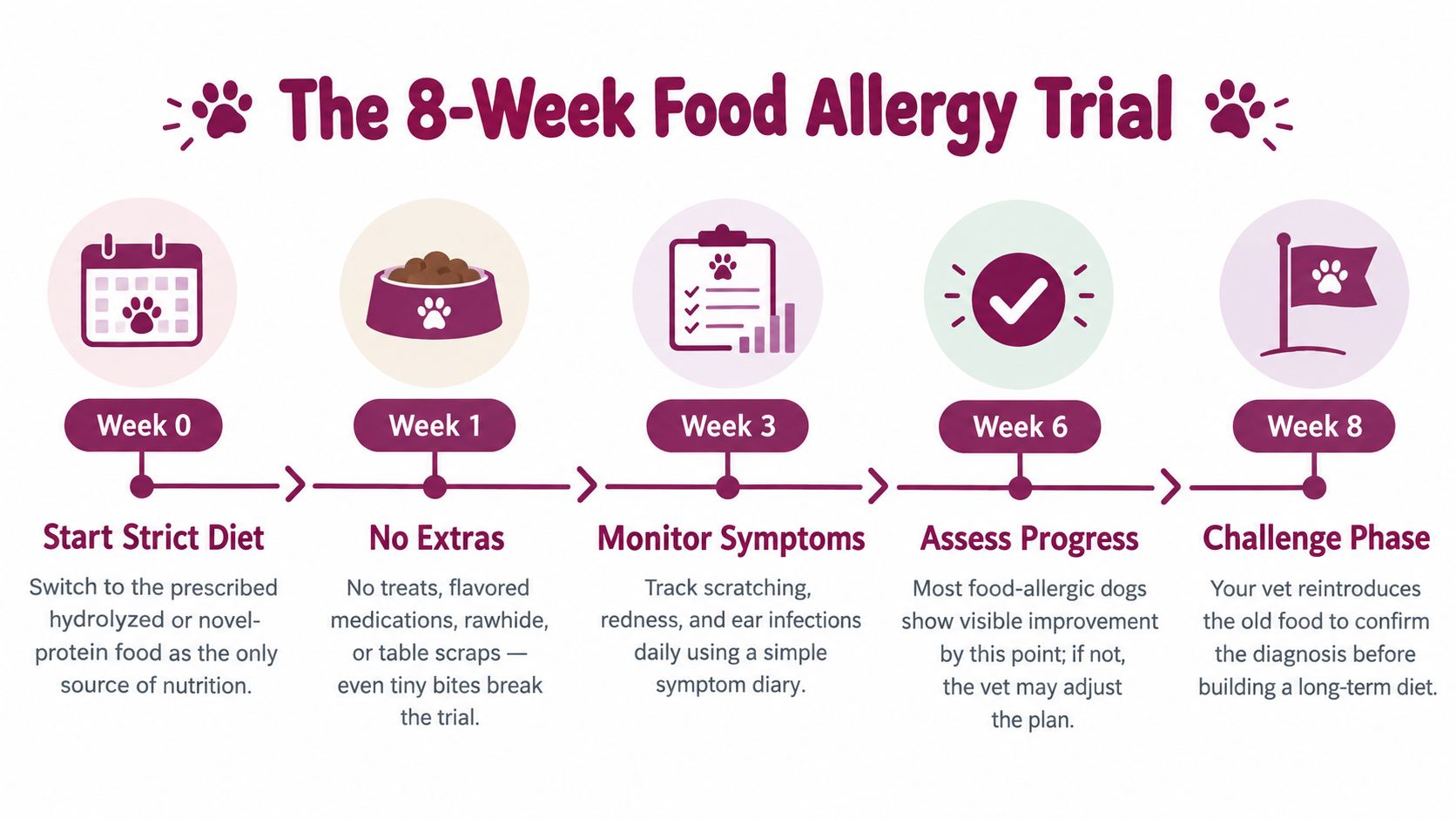
The dog must eat only the chosen hydrolyzed or novel-protein diet for the full protocol. No treats, no table food, no flavored medications, no chews, and no access to other pets' bowls. Even tiny exposures can ruin the result, and short trials are one of the biggest reasons owners think the diet "didn't work."
The timeline is slower than expected. Roughly 50% of dogs improve by week 3, more than 85% improve by week 5, and over 95% improve by week 8. Some evidence suggests 10 weeks may be needed to identify about 95% of food-allergic dogs (Royal Canin Academy). That means a 1 to 3 week trial is not enough.
| The 8-Week Food Trial Habit | Why It Matters |
|---|---|
| Use one prescribed diet only | Keeps the test valid |
| Avoid treats and table scraps | Prevents false negatives |
| Watch for improvement over weeks | Food allergy response is often delayed |
| Rechallenge ingredients later | Confirms the diagnosis |
If the dog improves, the vet should confirm causality with a controlled rechallenge before the diet becomes the forever plan. That's the part many owners skip, then wonder whether the improvement was from better flea control, fewer infections, or a random flare settling down.
What a sloppy trial gets wrong
The usual mistakes are predictable. Owners stop too early, slip in flavored pills, or let family members “just give a tiny bite.” Those small mistakes matter. A food trial isn't a guess, it's a controlled test with a clean yes-or-no result.
If your vet suspects a corn issue specifically, this Bandana Rx guide on corn-free dog food can help you think about ingredient selection in a more practical way.
Prescription Options for Ongoing Itch Control
Once the diagnosis is confirmed or strongly suspected, ongoing control usually needs prescription therapy. I wouldn't trust a single product to handle every allergic dog, because age, comorbidities, infection risk, and how fast you need relief should drive the choice. For a dog at least 12 months old, oclacitinib is FDA-approved to control pruritus associated with allergic dermatitis and atopic dermatitis. The cited veterinary dose is 0.4 to 0.6 mg/kg by mouth every 12 hours for up to 14 days, then once daily after that, and it should not be used in dogs younger than 12 months or dogs with serious infections (Merck Veterinary Manual).
How the main options differ
Lokivetmab is an injectable IL-31 monoclonal antibody that can be useful when you want targeted itch control. In a masked randomized trial, it reduced owner-rated pruritus by 57.7% at day 28 versus 21.8% with placebo, and investigator-rated scores fell 57.1% versus 20.5% (Wiley veterinary dermatology trial). That makes it a serious option, not a gimmick.
Ciclosporin is another prescription option, often used when longer-term immune modulation makes sense. Allergen-specific immunotherapy is the only treatment commonly described as having potential to modify the abnormal immune response and slow disease progression, but it takes veterinary evaluation and doesn't replace itch relief right away (AVMA journal summary).
| Prescription Options at a Glance | Mechanism | Onset | Key Caveat |
|---|---|---|---|
| Oclacitinib | JAK inhibition | Often fast | Needs age and infection screening |
| Lokivetmab | IL-31 monoclonal antibody | Useful for prompt itch control | Still needs follow-up if infections persist |
| Ciclosporin | Immune modulation | Slower | Best used with realistic expectations |
| Immunotherapy | Allergen-specific immune training | Slowest | Disease-modifying, not immediate relief |
What makes a treatment look like it failed
The common mistake is blaming the drug when the underlying problem is untreated flea exposure, recurrent otitis, or secondary pyoderma. If the dog keeps getting infected or exposed to ectoparasites, even a strong antipruritic can look weak. That's why the prescription choice has to sit inside a full treatment system.
For owners considering oclacitinib specifically, Bandana Rx's Apoquel product page is the relevant place to review the product details before discussing it with your veterinarian.
OTC Support, Topicals, and What Helps at Home
Home care should support the treatment plan, not pretend to replace it. Think in terms of skin comfort and barrier support, not cure. Gentle baths, medicated shampoos when infection is present, anti-itch topicals, ear cleansers for dogs with recurrent otitis, and omega-3 supplements can all help, but they work best as helpers alongside prescription therapy. A mild dog with intact skin can sometimes be soothed at home, but a dog with odor, sores, or ear disease needs more than household care.
What helps, and what only helps a little
Antihistamines can help some dogs with mild itch, but they're usually underpowered once itching is severe. Corticosteroids can be very effective for flares, but they should be used at the lowest effective dose for the shortest time because side effects are real. That trade-off is why a veterinarian should decide when they're appropriate rather than treating them as a default.
A skin-barrier routine matters because allergic inflammation damages the skin and makes it easier for secondary infection to take hold. That's why bathing and topical care are worth doing even when the dog is already on prescription treatment. You're lowering the background noise that keeps the itch cycle alive.
If the skin smells bad, looks greasy, or has crusts, home care alone isn't enough. That's usually infection until proven otherwise.
Use caution with anything that might interfere with a food trial. Flavored topical products, supplements, and treats can all contain ingredients that muddy the diagnostic result. If you're in the middle of an elimination diet, keep the ingredient list painfully simple.
For practical shampoo choices and when they make sense, this Bandana Rx article on shampoos for dogs with skin allergies is a helpful companion to veterinary care.
Flea Control and Reducing Environmental Triggers
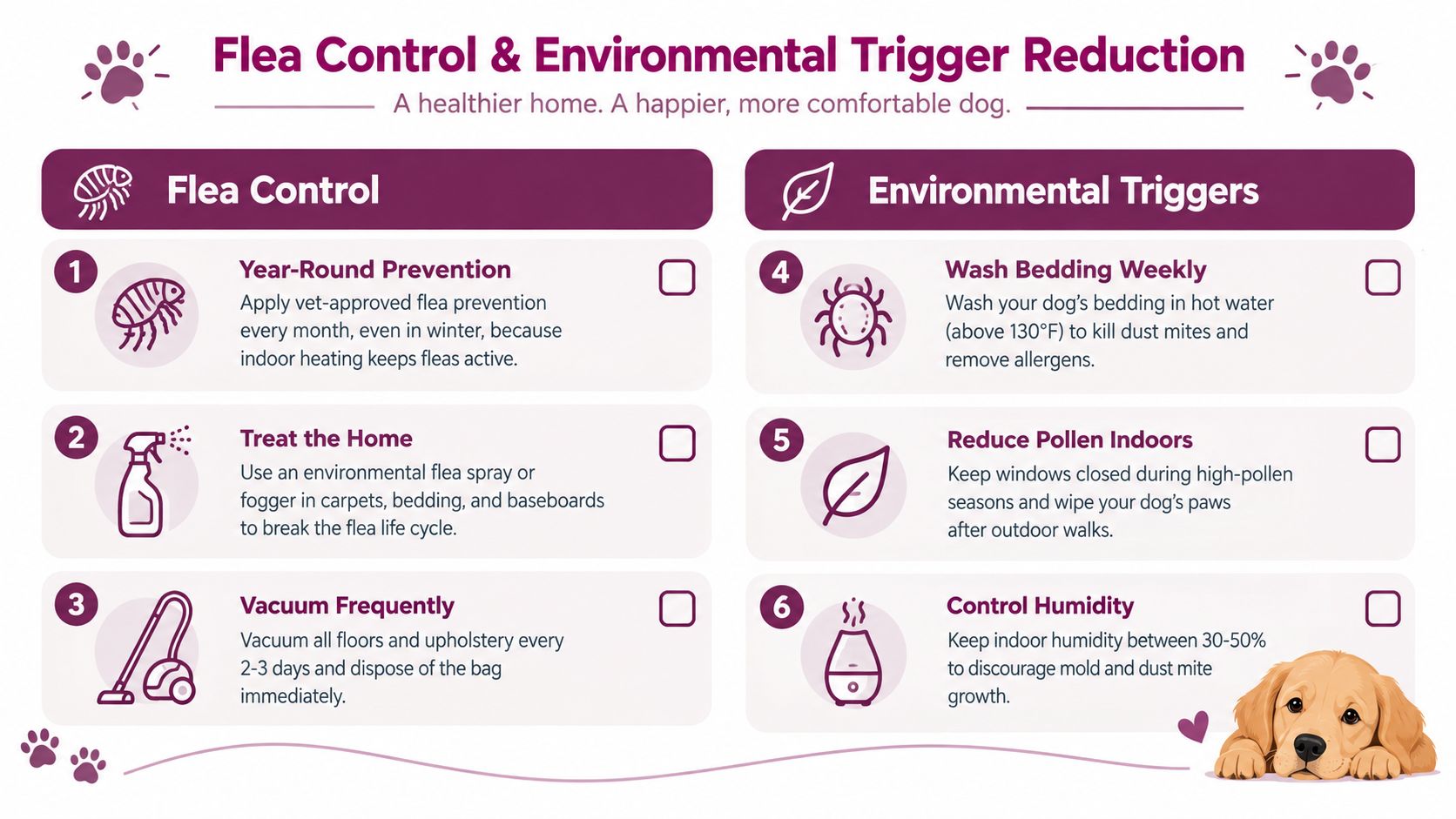
Flea control comes first because ectoparasites can start or worsen allergic flares. Broader canine atopic dermatitis protocols place ectoparasite control ahead of food-trigger workups and environmental management for a reason, fleas make everything harder to read. If the flea plan is weak, you'll keep chasing a problem that never fully settles.
The home checklist that actually helps
Start with year-round flea prevention. If your dog is allergic, “I don't see fleas” is not good enough. Then clean the environment in a way that reduces allergens without turning your house upside down.
- Wash bedding weekly: Hot water and thorough drying help reduce allergens in the spots your dog uses most.
- Vacuum regularly: Focus on carpets, rugs, and upholstery where dander and debris build up.
- Wipe paws after outdoor time: That cuts down on pollen carried indoors.
- Limit dusty zones: Keep the dog out of places that collect dust and mold.
- Use filtration in main living areas: That can reduce airborne load, even if it won't solve the problem alone.
A full home remodel won't fix an allergic dog. Practical consistency will. Bedding, floors, paws, and flea prevention matter much more than exotic cleaning products.
The goal is lower flare frequency, not perfect sterility. Allergic dogs usually need the combination of trigger reduction and medical control, because environmental avoidance alone rarely keeps atopic dermatitis quiet for long.
Monitoring Response and Planning for Refills
Allergic skin disease is usually chronic, so you need a maintenance mindset. Log itch intensity, paw licking, ear symptoms, odor, redness, how long each medication seems to last, and any side effects. That record is what tells your vet whether the plan is working or just sort of helping.
If the skin suddenly gets much worse, or you see facial swelling, breathing difficulty, widespread pustules, painful ears, lethargy, or rapidly worsening skin, that's urgent veterinary territory. Routine rechecks are for slower changes, breakthrough itch, or medication adjustments. Don't wait on severe swelling or breathing signs.
Chronic therapy is also easier when refills are organized. Many prescription products are managed more smoothly with scheduled delivery, and that's a convenience issue, not a medical decision. For dogs that need steady ongoing therapy, it helps to plan ahead instead of scrambling when the bottle is empty.
The bigger picture is still the same. Treat the itch, rule out fleas and infections, confirm or exclude food triggers with a real trial, then keep the dog comfortable with the right prescription and home plan. That's how you treat dog skin allergy without wasting months on half-measures.
If you're ready to turn that plan into something practical, visit Bandana Rx to review prescription allergy options, shampoos, flea prevention, and refill-friendly pet health products that fit a veterinarian-directed care plan. They can help you stay organized while your vet builds the right sequence for your dog's skin.