


You notice a small circular patch of missing fur on your cat, then spot another crusty area near the ear. The name “ringworm” can sound alarming, but it describes a fungal infection, not a worm. The right response is a veterinary diagnosis followed by a coordinated plan for your cat, the coat, the home, and the people who handle them.
Table of Contents
- Introduction to Feline Ringworm
- Diagnosing Ringworm in Cats
- Topical Therapy Options
- Systemic Therapy Choices
- Environmental Control and Disinfection
- Treatment Timelines and Example Protocols
- Zoonotic Precautions for Owners
- Conclusion and Next Steps
Introduction to Feline Ringworm
Feline ringworm, also called dermatophytosis, can cause hair loss, scaling, crusts, or irritated patches. Some cats have obvious lesions, while others carry fungal spores with fewer visible signs. Because several skin conditions can look similar, a patch alone isn't enough to confirm the diagnosis.
Dermatophytosis is described as the most common fungal infection of cats worldwide, which is why veterinary protocols treat suspected cases as both an individual health concern and a household-management issue. You can review the clinical background in the ABCD guideline for dermatophytosis in cats.
Practical rule: Treat visible lesions as a reason to arrange testing, not as permission to choose a prescription drug independently.
A complete plan usually combines diagnostic testing, topical coat treatment, veterinarian-prescribed systemic therapy, environmental cleaning, and sensible precautions for people. The aim isn't limited to making a lesion look better. The aim is to reduce fungal material, confirm that infection has cleared, and limit spread to other animals or household members.
This guide explains how veterinarians distinguish ringworm from look-alike conditions, what topical and oral therapies do, why cleaning matters, how long recovery may take, and which safety steps protect your family. Your veterinarian should adapt the medication, schedule, and follow-up plan to your cat's examination and test results.
Diagnosing Ringworm in Cats
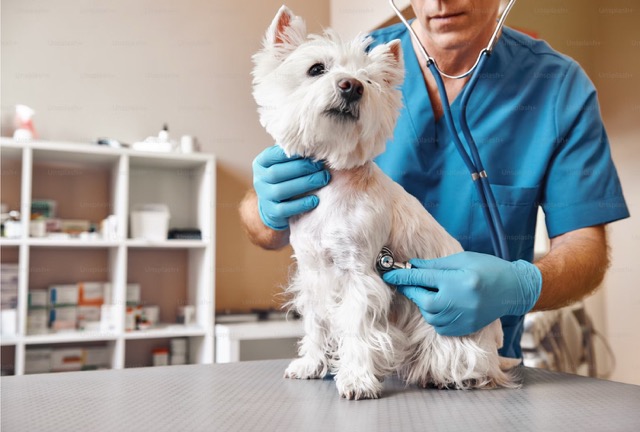
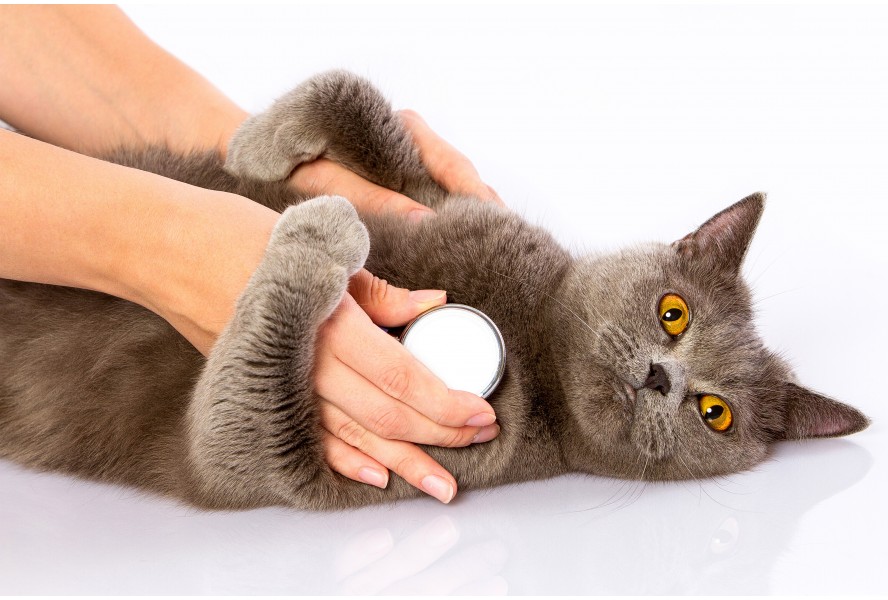
A veterinarian may use several tests because no single screening method answers every question. The examination starts with the skin and coat, then adds tools that look for fluorescence, infected hairs, or fungal growth.

Wood's lamp screening
A Wood's lamp produces ultraviolet light. In a darkened examination area, the veterinarian slowly examines the coat and skin, paying particular attention to broken hairs and suspicious patches. Some Microsporum canis infections fluoresce, but fluorescence isn't guaranteed, and other material can also glow.
A negative lamp examination therefore doesn't rule out ringworm. A positive result can help the veterinarian select hairs for closer examination, but it still needs interpretation alongside the physical examination and other testing.
Trichogram microscopy
For a trichogram, the veterinarian collects hairs from the edge of a lesion or from areas that look abnormal. Under a microscope, the clinician looks for fungal elements or spores associated with infected hair shafts.
This method can provide useful evidence quickly, but sampling matters. A cat may have infected hairs that weren't collected, or the sample may be difficult to interpret. Tell the veterinarian where lesions first appeared, whether they're expanding, and whether another animal or person in the home has developed a suspicious rash.
Fungal culture
A fungal culture uses collected hairs and skin debris placed on dermatophyte test media. The sample is monitored for fungal growth, and the result helps confirm whether a dermatophyte is present. Culture can be especially valuable when a Wood's lamp is negative, microscopy is inconclusive, or treatment decisions require stronger confirmation.
Culture results also become important during follow-up. A coat can look healthier before fungal material has fully cleared, so visible improvement shouldn't automatically determine when medication ends. For additional owner-focused information, see Bandana Rx's cat ringworm educational resources.
Topical Therapy Options
Topical therapy works at the coat and skin surface. Its role is broader than soothing a lesion. Washing or rinsing the coat can help remove fungal material and reduce the number of spores that the cat sheds into bedding, carriers, furniture, and shared spaces.
Veterinary protocols may use miconazole with chlorhexidine, lime sulfur, or enilconazole, depending on availability, local practice, the cat's condition, and the veterinarian's instructions. A shelter-focused guideline describes twice-weekly miconazole and chlorhexidine bathing as part of a broader treatment approach. The exact product concentration and dilution must come from the product label or veterinarian, because an incorrect mixture can irritate skin or fail to work properly.
Applying a topical treatment safely
Prepare the room before bringing in the cat. Set out towels, gloves, the prescribed or recommended solution, a non-slip surface, and a way to keep the cat from licking the product while the coat is wet. Keep the cat away from the eyes, mouth, and nose unless the veterinarian has specifically given instructions for those areas.
Lime sulfur dips can have a strong odor and may temporarily discolor light fur or surfaces. Enilconazole rinses are used in some veterinary settings, but owners should follow the product directions and veterinary guidance precisely. Don't improvise a dilution, combine products in the same container, or apply a human cream to broad areas of a cat's coat without professional direction.
Handling advice: A calm helper, gentle restraint, and a quiet room are safer than forcing a struggling cat through a rushed bath.
Apply the solution thoroughly to the coat as directed, including areas where spores may be present even if lesions aren't obvious. Prevent grooming until the treatment has been used as instructed and the coat is appropriately managed. Stop and contact the veterinarian if your cat develops marked irritation, unusual distress, or signs of accidental ingestion.
Topical therapy is usually one part of ringworm treatment cats receive, not a substitute for systemic therapy in cases where oral medication is indicated. A topical antifungal such as clotrimazole cream for dogs and cats may be relevant for selected localized problems, but your veterinarian should confirm whether it fits your cat's diagnosis and application area.
Systemic Therapy Choices
Oral antifungals reach infected hair follicles and skin from inside the body. Itraconazole and terbinafine are common veterinary considerations, but they're prescription medications and aren't interchangeable household remedies. The veterinarian chooses the drug and schedule after considering the diagnosis, the cat's overall health, formulation, and follow-up needs.
Itraconazole has a U.S. label for feline dermatophytosis caused by Microsporum canis. The FDA-labeled feline regimen is 5 mg/kg, or 0.5 mL/kg, by mouth once daily on alternating weeks for three treatment cycles, as stated in the DailyMed itraconazole labeling. This is label information, not a universal instruction for every cat.
Why the formulation and schedule matter
Veterinary protocols may use a fixed course or pulsed dosing. One shelter protocol uses itraconazole solution daily for 21 days, followed by weekly alternating on and off dosing if cure hasn't been achieved. Another approach recommends a one-week-on, one-week-off schedule for at least five weeks. These schedules shouldn't be blended or changed by an owner.
Non-compounded itraconazole or terbinafine may be preferred over compounded itraconazole in some protocols because compounded itraconazole can have poor bioavailability. Your veterinarian or pharmacist should select the appropriate formulation and explain how to administer it.
Terbinafine may be used in veterinary ringworm protocols, including a shelter protocol that combines it with lime sulfur dips. Its suitability, dosage, duration, and monitoring remain patient-specific. Don't substitute terbinafine for itraconazole, or the reverse, without veterinary approval.
Monitoring during oral treatment
The veterinarian may recommend follow-up examinations and laboratory monitoring, including liver-related testing when appropriate. Contact the clinic promptly if your cat develops concerning changes such as persistent vomiting, marked appetite loss, unusual lethargy, or yellow discoloration. These signs can have many causes, but they warrant professional assessment during antifungal treatment.
A page for fluconazole for veterinary use may help you understand that antifungal products belong to a broader medication category. It doesn't mean fluconazole is an appropriate replacement for the drug prescribed for your cat.
Environmental Control and Disinfection
Medication acts on the cat. Cleaning acts on the surroundings that collect shed hairs and spores. If the home remains heavily contaminated, the cat may encounter fungal material repeatedly, and other pets may be exposed.
Start by reducing loose hair and debris. Vacuum floors, upholstered areas, scratching posts, and favorite resting spots, then empty the vacuum contents safely. Steam-cleaning may be suitable for some floor surfaces and fabrics, provided the material can tolerate heat and moisture.

A practical cleaning rhythm
- Daily: Remove visible hair and debris, clean frequently used resting areas, and place contaminated disposable materials in a closed waste bag.
- Regularly: Wash bedding, washable toys, and towels with detergent and hot water when the fabric allows it. Dry items completely before returning them to the cat.
- After treatment: Clean carriers, grooming tools, floors, and hard surfaces again, especially before the cat returns to a shared area.
For hard, nonporous surfaces, use a diluted bleach solution or a veterinary-approved product labeled for fungal or spore control. Clean away organic material first, because dirt and hair can interfere with disinfectant performance. Follow the label's dilution and safety directions, and allow the surface to remain visibly wet for the stated contact period. This explanation of critical contact time for disinfectants can clarify why wiping a product away immediately may not provide the intended effect.
Never mix bleach with other cleaners. Keep cats, children, and other animals away until treated surfaces are safe and dry, and use gloves and ventilation when handling disinfectants.
If multiple pets share the home, ask the veterinarian whether they need examination or testing. Separate spaces may help reduce contact during treatment, but isolation alone won't replace coat treatment and cleaning. Bandana Rx also publishes guidance on ringworm treatment and antifungal care.
Treatment Timelines and Example Protocols
Ringworm recovery usually takes weeks to months rather than days. A shelter medicine reference describes treatment as shortening the disease course to 4 to 6 weeks, while follow-up culture determines whether infection has cleared rather than relying only on the appearance of the skin. See the ASPCA dermatophytosis standard operating procedure for the shelter protocol context.

Visible improvement can occur before mycological cure. Hair may begin returning, crusts may lessen, and redness may settle while fungal material remains in the coat. That's why a cat who looks better may still need medication, topical care, cleaning, and repeat testing.
What shelter data can and can't tell you
A study of 58 shelter cats treated with 21 days of itraconazole plus twice-weekly lime sulfur dips found a mean time to mycological cure of 18 days, with complete cure by day 49. Those figures describe that study population and protocol, not a promise for an individual household cat.
Another shelter study involving 85 cats treated with 21 days of terbinafine plus lime sulfur dips found a mean time to mycological cure of 23 days, as summarized in the ASPCA reference above. Differences in age, lesion extent, immune status, housing, cleaning, adherence, and testing can change the course.
Two example frameworks
Itraconazole with coat decontamination may involve veterinarian-prescribed itraconazole, an appropriate pulse or fixed schedule, and miconazole/chlorhexidine bathing. A shelter-focused protocol describes itraconazole once daily for 21 days, followed by pulse dosing if needed, with twice-weekly topical bathing until clearance. The veterinarian decides whether that framework fits your cat and how cultures guide continuation.
Terbinafine with lime sulfur may involve a veterinarian-prescribed terbinafine course paired with lime sulfur dips. The shelter data described above provide context for this combination, but they don't authorize an owner to obtain or adjust either medication independently.
Modern shelter protocols use weekly in-treatment DTM cultures and recheck examinations after two consecutive negative cultures. This milestone-based method is more reliable than stopping because a bald patch looks improved. If a culture remains positive, lesions spread, or your cat can't tolerate bathing or medication, contact the veterinarian rather than shortening, extending, or changing the protocol yourself.
Cleaning may also need to address lingering household odors after repeated accidents or washing. For practical guidance on tackling stubborn cat urine smells, choose methods that are compatible with the rug or flooring and keep your cat away from cleaning products.
Zoonotic Precautions for Owners
Cats can pass dermatophytes to people through direct contact or contaminated hair and surfaces. You don't need to panic, but you do need a consistent routine, especially if someone in the household has a weakened immune system, young children are present, or several animals share the home.
Wear disposable or washable gloves when applying topical products, bathing your cat, cleaning the carrier, or handling contaminated bedding. Wash your hands thoroughly with soap and water after contact, even if you wore gloves. Avoid face-to-coat contact, and change clothing if your cat has shed heavily onto it.
Make handling predictable
Keep the cat's carrier, towels, brushes, and bedding in a designated area when possible. Use disposable towels for messy applications or launder reusable towels separately from other household fabrics. Clean the carrier after transport, paying attention to seams, corners, and removable bedding.
Children shouldn't handle an infected cat or enter the treatment area without close adult supervision. People with immune-system problems should ask their healthcare provider whether they should avoid direct care while the cat is being treated.

If you develop an itchy, scaly, circular, or otherwise unusual skin lesion, arrange medical advice rather than diagnosing yourself from a photograph. Tell the healthcare professional that you've had contact with a cat being evaluated or treated for dermatophytosis. That exposure history can help the clinician decide whether fungal testing or treatment is appropriate.
You can also review ringworm rash treatment cream information, but human skin treatment should be directed by a healthcare professional. Don't apply human medications to your cat unless the veterinarian specifically approves the product and explains how to use it.
Conclusion and Next Steps
Effective ringworm treatment for cats depends on coordination. Confirm the diagnosis, use veterinarian-directed systemic therapy when indicated, reduce spores with appropriate topical care, clean the environment, and follow culture results instead of stopping when the coat merely looks better.
The FDA-labeled itraconazole regimen provides one established framework for feline dermatophytosis caused by Microsporum canis, while shelter protocols demonstrate why topical decontamination and follow-up cultures matter. Your cat's medication, dose, formulation, schedule, and monitoring plan must still be personalized by a veterinarian.
Contact your veterinary clinic for testing and prescription approval before starting treatment. Then gather the prescribed medication and appropriate care supplies through a licensed pharmacy.
Bandana Rx offers prescription and over-the-counter veterinary medications and pet-care products, with prescription orders processed after veterinary authorization. Visit Bandana Rx to explore antifungal and skin-care options for your cat and coordinate prescribed treatment through an online veterinary pharmacy.