


You notice a round, scaly patch behind your dog's ear, or a small area of hair loss along your cat's muzzle. It looks enough like ringworm to cause concern, but several skin problems can appear similar. Choosing a ringworm rash treatment cream before confirming the cause may delay the care your pet needs.
Creams have a useful role, especially when a veterinarian confirms a small, localized fungal lesion. They aren't a complete solution for every case of dermatophytosis, however. The right approach depends on the animal, the number and location of lesions, the coat, household exposure, and whether infection is present in the hair coat or elsewhere.
Table of Contents
- What Ringworm Actually Is in Dogs and Cats
- Active Antifungal Ingredients Used in Creams
- How to Apply Cream Safely to Your Pet
- How Terbinafine Compares to Azole Creams
- Why a Cream Alone Often Is Not Enough
- When a Rash Is Not Responding to Cream
- Protecting Your Home, Family, and Other Pets
- Putting It All Together for Your Pet
What Ringworm Actually Is in Dogs and Cats

Ringworm is a fungal infection, not a worm. Its veterinary name is dermatophytosis. Dermatophytes grow in keratin, the structural protein found in the outer skin, hair, and nails. The familiar circular appearance often develops as the lesion expands outward while the center begins to clear.
In dogs and cats, Microsporum canis is a common cause, with Microsporum gypseum and Trichophyton species also involved. Infective spores can leave an affected animal's hair and settle on bedding, brushes, carriers, upholstery, and other surfaces. That's why a single bald or scaly patch can become a household management issue rather than just a spot on the skin.
Why some pets are more vulnerable
Kittens, puppies, older animals, and pets with weakened immune defenses may have more difficulty containing the infection. Long-haired cats can be especially challenging because they may carry spores in the coat without an obvious lesion. Grooming can spread infected hairs across the body and into the environment.
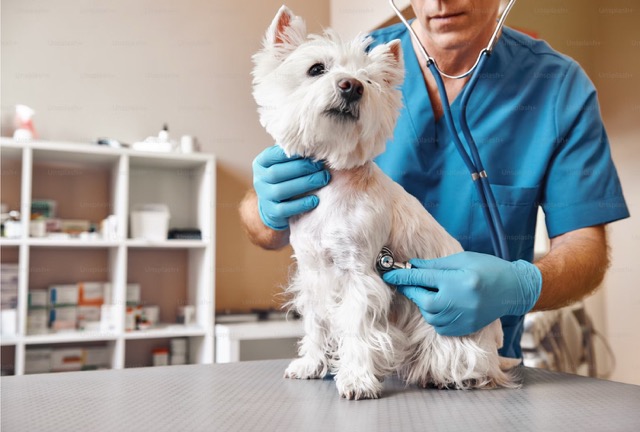
A circular patch alone doesn't prove ringworm. Allergies, bacterial skin infections, mites, trauma, and other conditions can create hair loss, scaling, or redness. Your veterinarian may examine the lesion and use fungal testing, such as microscopy, culture, or other diagnostic methods, before selecting treatment.
Practical rule: Treat the diagnosis, not just the shape of the rash. A cream designed for fungus won't address every cause of hair loss.
For a useful overview of veterinary evaluation and treatment planning, see Bandana Rx's guide to ringworm treatment for dogs. If you're also managing general irritation while waiting for an appointment, these practical steps for lasting relief may help you organize gentle skin care without assuming the rash is fungal.
Active Antifungal Ingredients Used in Creams
Cream labels can look similar, but the active ingredients belong to different antifungal families. Understanding those families helps explain why a veterinarian may choose one product for a small lesion and a different treatment for a broader infection.
Azoles
Clotrimazole 1% and miconazole 2% are imidazole antifungals commonly used for localized fungal lesions. They interfere with the production of ergosterol, a substance fungi need to maintain their cell membranes. Veterinary references list clotrimazole, miconazole, ketoconazole, and related azoles among topical options for localized tinea-type infections, while product directions determine how often and how long a particular formulation should be used. NCBI Bookshelf
Miconazole may also appear with chlorhexidine in veterinary shampoos or other topical products. Chlorhexidine adds surface cleansing and antimicrobial activity, but it doesn't turn every combination product into a substitute for a full dermatophytosis plan. The product's label, your pet's species, and veterinary advice still matter.
Allylamines
Terbinafine 1% works earlier in the fungal sterol pathway by inhibiting squalene epoxidase. This different mechanism can produce fungicidal activity against susceptible dermatophytes, meaning it can kill rather than only inhibit fungal growth. Expert evidence summaries describe strong activity from short topical terbinafine courses for limited disease, but a veterinarian should determine whether that approach fits your pet. Peer-reviewed review
Other ingredients you may see
Nystatin, a polyene, is more strongly associated with yeast treatment and generally isn't used alone as the main topical approach for dermatophyte ringworm. Human products may also contain tolnaftate or undecylenic acid, but those ingredients have less established veterinary evidence for canine and feline dermatophytosis. Avoid transferring a human product to your pet without veterinary approval, especially if the animal can lick the area.
Enilconazole is different from a leave-on cream. Veterinary protocols use it as a rinse for the hair coat, where the goal is to reduce spores across the animal rather than treat only one visible patch. A peer-reviewed review identifies lime sulfur, 0.2% enilconazole rinses, and 2% miconazole with chlorhexidine shampoo as consistent topical options in dogs and cats. PubMed review
| Ingredient | Class | Typical strength | Action |
|---|---|---|---|
| Clotrimazole | Imidazole azole | 1% | Disrupts fungal membrane production |
| Miconazole | Imidazole azole | 2% | Interferes with fungal membrane formation |
| Terbinafine | Allylamine | 1% | Blocks an earlier sterol-pathway enzyme and may be fungicidal |
| Nystatin | Polyene | Not specified here | More commonly used for susceptible yeasts |
| Enilconazole | Veterinary topical rinse | 0.2% | Used across the coat in veterinary protocols |
For more detail about one commonly discussed topical option, read how clotrimazole fits into ringworm treatment. The key point is simple: the ingredient matters, but coverage, contact time, and a confirmed diagnosis matter just as much.
How to Apply Cream Safely to Your Pet
Application should protect the lesion without spreading spores or irritating healthy skin. Before the first dose, confirm the product is appropriate for your pet's species and follow the veterinarian's or label's directions. A human cream may contain an ingredient or inactive component that isn't suitable for an animal that will groom or lick it.

A careful routine
- Put on disposable gloves. This reduces direct contact with spores and makes hand hygiene easier.
- Keep hair from covering the lesion. If your veterinarian advises trimming, use blunt scissors carefully and avoid shaving, cutting the skin, or creating loose contaminated hair. Never force a frightened pet to stay still.
- Clean only as directed. A veterinarian may recommend a gentle chlorhexidine or povidone-iodine preparation. Remove visible debris without scrubbing aggressively, then pat the area dry. Cream won't spread evenly over thick crusts or wet fur.
- Apply a thin layer. Cover the lesion and the nearby border of healthy skin if that matches the product directions. Don't apply more often or in larger amounts just because the lesion looks active.
- Prevent licking. An e-collar, recovery garment, or supervised distraction may help. Even a topical antifungal can cause problems if swallowed, and licking removes the medicine before it has adequate contact time.
Clean hands after the application, separate grooming tools, and wash bedding and soft items regularly. Veterinary sources describe topical treatment for animal dermatophytosis as part of reducing infectious spores on the coat, not merely soothing the visible rash. Veterinary guidance
Treatment length depends on the product and the plan. Human skin references commonly describe terbinafine courses of 1 to 2 weeks, while clotrimazole and miconazole often require 2 to 4 weeks, with some guidance recommending continued treatment after visible clearing. NCBI Bookshelf For pets, don't shorten or extend the course without veterinary direction. Label instructions and follow-up testing take priority.
For help interpreting directions, warnings, and storage information, use Bandana Rx's medication-label guide.
How Terbinafine Compares to Azole Creams
Terbinafine, clotrimazole, and miconazole all target fungi, but they don't work through exactly the same pathway. Terbinafine blocks an earlier step in sterol production and may kill susceptible dermatophytes. Azoles interfere with membrane formation and are widely used topical options for localized lesions.
That difference can influence course length, but it doesn't create a universal “strongest cream.” Evidence summarized in a topical-treatment review reported negative laboratory tests after treatment in 54 of 58 participants using butenafine and 56 of 59 using bifonazole, illustrating that more than one topical class can perform well. Topical treatment review Another evidence summary found nearly identical mycological cure rates for 2% miconazole and 1% clotrimazole, 93% versus 91%, respectively, with no statistically meaningful difference. Evidence review
| Feature | Terbinafine cream | Clotrimazole or miconazole cream |
|---|---|---|
| Antifungal family | Allylamine | Imidazole azole |
| Main action | Blocks an early sterol-pathway enzyme | Disrupts fungal membrane production |
| Activity description | Often fungicidal against susceptible dermatophytes | Generally fungistatic, limiting fungal growth |
| Course expectation | May support a shorter course for a small lesion when prescribed or labeled that way | Often requires a longer, consistent application period |
| Practical concern | Still needs complete lesion coverage and monitoring | Consistency and adequate contact time remain essential |
| Pet decision | Depends on species, site, and veterinary diagnosis | Depends on species, site, and veterinary diagnosis |
Both groups can irritate skin in some animals. Cost also varies with the product, formulation, supply, and pharmacy, so price alone shouldn't determine selection. A cream that your pet immediately licks off isn't a practical choice, even if its laboratory action sounds appealing.
The better question is whether the chosen product matches lesion size, location, coat type, and your ability to apply it consistently. For veterinary-focused options, you can review antifungal ringworm treatment choices, then discuss the appropriate product with your veterinarian.
Why a Cream Alone Often Is Not Enough
A visible patch is only the part you can see. Dermatophyte spores and infected hairs may be present beyond the lesion, and a leave-on cream applied to one spot doesn't disinfect the entire coat or home. In cats, grooming can remove a product quickly. Dogs may rub the treated area against bedding, carpeting, or furniture, reducing contact time.

The wider treatment picture
For confirmed dermatophytosis, veterinarians may combine a focal cream with whole-body topical care, environmental cleaning, and an oral antifungal. Veterinary guidance describes topical treatment as important for disinfecting the hair coat because spores on the coat are a major source of transmission. Focal creams can still be useful for difficult sites such as the face and ears, but they don't replace coat-level treatment when infection is widespread. Veterinary guidance
A feline dermatophytosis guideline says effective management usually combines systemic and topical therapy for at least 10 weeks, with treatment continuing until dermatophytes are absent from hair on two sequential brushings collected 1 to 3 weeks apart. Feline dermatophytosis guideline Those testing milestones show why a smooth-looking patch isn't proof that the infection has ended.
A complete plan may include:
- Whole-body topical treatment: Lime sulfur, enilconazole rinses, or a miconazole and chlorhexidine shampoo may be selected by the veterinarian.
- Systemic therapy: Oral antifungal treatment may be needed for confirmed, extensive, recurrent, or difficult infections.
- Environmental control: Hair and spores must be removed from bedding, floors, brushes, carriers, and other areas the pet uses.
- Follow-up testing: Your veterinarian may use culture or sequential sampling to assess mycological cure.
A cream is therefore best understood as one tool in a coordinated plan. It can be valuable for a small lesion, but repeated spot treatment won't solve ongoing coat contamination or reinfection.
When a Rash Is Not Responding to Cream
A rash that doesn't improve deserves reassessment, not an endless rotation of products. The first clue may be a border that continues expanding after treatment has had reasonable time to work, or new lesions appearing elsewhere. Those changes can indicate inadequate coverage, reinfection, a coat-wide problem, or an incorrect diagnosis.
What different warning signs can mean
The border keeps spreading. If the lesion continues to enlarge despite correct application, your veterinarian may need to confirm the diagnosis, check application technique, or add systemic treatment.
New spots appear. Fresh lesions may reflect spores spreading through the coat or contact with an infected animal or contaminated surface. Every pet in the household may need evaluation. The CDC advises veterinary assessment for a suspected infected pet and recommends checking every pet when one household animal has ringworm. CDC prevention guidance
The skin becomes intensely red, swollen, painful, or wet. Those features can point to bacterial infection, trauma, or another inflammatory condition rather than uncomplicated ringworm. Demodex and allergies can also resemble fungal disease.
The rash worsens after a steroid-antifungal combination. Steroids can suppress visible inflammation while an underlying fungal infection continues. Evidence reviews indicate that fixed steroid-antifungal combinations aren't superior to single antifungal agents and may have lower mycological and clinical cure rates. Evidence review Don't continue or stop a prescribed combination without contacting the prescribing veterinarian, but don't start one independently.
There's no clear improvement. A veterinarian may use a fungal culture, microscopic examination, or a Woods lamp as part of the diagnostic process. Resistance is not the first explanation to assume, but incomplete treatment, repeated exposure, and an unconfirmed diagnosis all make reassessment important.
Prescription oral options can include drugs such as itraconazole or terbinafine in appropriate cases, but the choice, dose, duration, and monitoring belong to your veterinarian. Bring the product packaging, application schedule, a photo timeline, and information about every animal and person exposed.
Protecting Your Home, Family, and Other Pets
Ringworm control involves the environment as much as the skin. Keep an affected dog or cat in a manageable, washable area when practical, especially while your veterinarian is confirming the diagnosis and building a treatment plan. Separation reduces contact with other animals and makes cleaning easier, but it shouldn't replace veterinary care or appropriate companionship.
Wash bedding, towels, collars, grooming tools, and soft toys with detergent and hot water when the material allows. Vacuum floors and upholstery often, then dispose of vacuum contents safely. Hard surfaces can be cleaned with a veterinarian-recommended disinfectant suitable for that material. The goal is to remove contaminated hair and debris, because disinfectant works poorly when organic material remains on the surface.
Include the household in the plan
The CDC recommends handwashing after handling affected animals and using gloves and long sleeves when needed. CDC household guidance Keep topical products away from children, and don't let other pets share brushes, bedding, carriers, or grooming equipment until your veterinarian advises that it's appropriate.
Children, older adults, pregnant household members, and people with weakened immune systems should avoid direct contact with a suspected infected animal and contact a clinician if a suspicious skin lesion develops. A veterinarian and a human healthcare professional should guide care for their respective patients.
Don't use essential oils, home remedies, or an unapproved human cream because a pet may lick the product or absorb ingredients differently. If you need general bathing information for a pet with irritated skin, review shampoo options for dogs with skin allergies, but don't assume an allergy shampoo treats dermatophytosis.
Environmental cleaning must continue beyond the first visible improvement. The coat can still shed infected hairs while the skin appears better, so follow the veterinary plan rather than using the lesion's appearance as the only stopping point.
Putting It All Together for Your Pet
Start with confirmation rather than guesswork. Ask your veterinarian to examine the lesion and determine whether fungal testing is appropriate, especially because bacterial infection, allergies, mites, and trauma can look similar.
For a small, localized lesion, a veterinarian may include a topical antifungal such as clotrimazole, miconazole, or terbinafine. Apply only the recommended amount and area, prevent licking, and complete the prescribed or labeled course. A disappearing patch doesn't prove that infected hairs and spores are gone.
Cats, long-haired pets, animals with several lesions, and pets living with other animals often need more than focal cream. Whole-body topical treatment, environmental cleaning, oral medication, or follow-up cultures may be necessary depending on the diagnosis and response.
Today, take a clear photo, note when the lesion appeared, record every product used, and arrange veterinary assessment if the rash spreads, becomes painful or oozes, or fails to improve as expected. Never use a steroid-containing combination unless your veterinarian specifically prescribes it for your pet's confirmed condition.
Bandana Rx offers prescription and over-the-counter veterinary medications and pet-care products, with prescription orders processed after veterinary authorization. Visit Bandana Rx to review relevant antifungal and skin-care options, then use your veterinarian's guidance to choose and manage the right treatment for your dog or cat.