




The most popular advice about metformin for dogs is also the advice most likely to confuse owners: because metformin is widely recognized as a diabetes medication in people, it must be a routine substitute for insulin in dogs. It isn't. Canine diabetes often involves inadequate insulin production, so a drug that improves insulin sensitivity may not address the central problem.
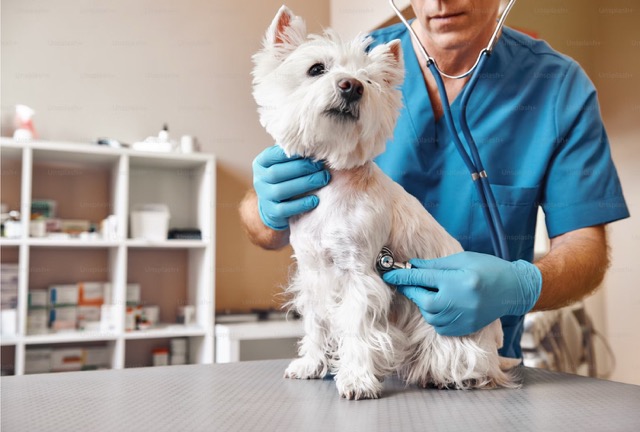
Metformin has been studied in dogs, and the research is meaningful. But it supports a narrower, more cautious role than many online discussions suggest. The medication may be considered in selected metabolic or endocrine situations under veterinary supervision, while typical canine diabetes usually requires an insulin-based plan. Your veterinarian's recommendation depends on the disease mechanism, your dog's test results, concurrent conditions, and the risks of each option. A routine veterinary relationship remains important, particularly when prescription medication decisions are involved. Learn why regular veterinary visits matter.
Table of Contents
- Why Metformin Is Not a Standard Diabetes Drug for Dogs
- How Metformin Works in the Canine Body
- Conditions Where Metformin Has Been Studied in Dogs
- Metformin Versus Insulin for Canine Diabetes Management
- Recognizing Safety Risks and Emergency Signs
- Working with Your Veterinarian on Treatment Decisions
- Key Takeaways for Pet Owners Considering Metformin
Why Metformin Is Not a Standard Diabetes Drug for Dogs
Metformin is often described as if it works the same way in every species. That assumption overlooks a fundamental difference between many human diabetes cases and typical canine diabetes. In people with insulin resistance, the body may still produce insulin but respond poorly to it. Metformin can help improve metabolic signaling and reduce glucose production by the liver in that setting.
In dogs, diabetes mellitus more often resembles an insulin-deficiency disorder. The pancreas doesn't provide enough insulin for the body's needs, which means glucose can't move into cells effectively. Improving sensitivity to insulin doesn't replace insulin when the body lacks enough of it.
Why the disease mechanism changes treatment
Insulin is not another way to lower a blood sugar reading. It provides a signal the body needs to use glucose. For many dogs with diabetes, that signal must be supplied through treatment because the underlying disease behaves more like insulin deficiency than uncomplicated insulin resistance.
That's why a veterinarian may recommend insulin even when an owner has read that metformin can lower glucose. The decision isn't based on which medication sounds more familiar or convenient. It's based on whether the drug addresses the biological problem affecting that particular dog.
Practical rule: Don't treat a medication search as a diagnosis. Ask what type of diabetes or metabolic disorder your dog has, and which treatment corrects that specific problem.
Veterinary summaries describe evidence for metformin in dogs with non-insulin-dependent diabetes as limited, and that form of diabetes is considered uncommon. They also emphasize that primary canine diabetes more often behaves like insulin deficiency, so metformin isn't a routine primary therapy for the typical diabetic dog. VCA's veterinary overview of metformin provides useful context for that distinction.
Metformin may still enter the conversation when a dog has an endocrine disorder associated with insulin resistance or abnormal lipid metabolism. That is a different clinical question from asking whether metformin can replace insulin. The evidence is better framed as support for selected adjunctive or investigational use, not as permission to start, stop, or substitute prescription treatment at home.
How Metformin Works in the Canine Body
Metformin's effects can be understood as a series of connected steps. First, the dog receives the medication orally. Some of the dose enters circulation, while the rest doesn't become systemically available. Pharmacologists call the portion that reaches circulation oral bioavailability.
A foundational pharmacokinetic study published in 2017 evaluated 7 healthy adult mixed-breed dogs. It found a mean oral bioavailability of 31%, meaning the measured proportion reaching circulation was less than the full swallowed dose. The same study reported a mean time to maximum serum concentration of 2.5 ± 0.4 hours, which describes when blood levels generally peaked after oral administration. Read the canine pharmacokinetic study.
What the timing data means
A peak concentration is like the highest point on a wave after a dose. It doesn't mean the drug stops working at that moment, and it doesn't tell an owner to adjust a schedule. It helps researchers and veterinarians understand how quickly the drug appears in circulation and when monitoring might detect its effects.
The study also reported an IV half-life of 20.4 ± 4.1 hours. Half-life is an estimate of how long it takes the measured drug concentration to fall by half under the tested conditions. It helps describe persistence in the body, but it isn't a complete dosing instruction because a veterinarian must also consider kidney function, illness, formulation, concurrent medications, and the purpose of treatment.

At the studied oral doses of 10 to 15 mg/kg twice daily, the dogs were reported to tolerate treatment, and steady-state serum concentrations remained below the upper human therapeutic limit of 2.5 mg/L, according to the same study. Steady state means repeated dosing has produced a relatively stable pattern of drug exposure, rather than a single isolated concentration.
Those findings show that dogs absorb metformin measurably and that researchers can characterize its movement through the body. They don't establish a universal outpatient dose or prove that every dog will respond safely. Pharmacokinetic research describes what happened under specific study conditions. Clinical prescribing still requires an individualized veterinary decision.
Conditions Where Metformin Has Been Studied in Dogs
The clearest canine research focus has been pituitary-dependent hyperadrenocorticism, commonly called Cushing's disease. This disorder exposes dogs to excessive cortisol activity, and cortisol can promote insulin resistance, increased glucose production by the liver, and abnormal lipid levels. In that setting, the question isn't whether metformin lowers glucose. It's whether the medication can help correct a broader metabolic disturbance linked to endocrine disease.
A controlled study published in 2018 evaluated 23 dogs with pituitary-dependent hyperadrenocorticism. The dogs received metformin at 10 mg/kg every 12 hours, and after 3 months, researchers reported statistically significant reductions in blood glucose, triglycerides, and total cholesterol. The reported probability values were P < 0.01 for blood glucose, P < 0.05 for triglycerides, and P < 0.01 for total cholesterol. Review the controlled canine study.
Why Cushing's disease matters
Cortisol affects several metabolic systems at once. It can encourage the liver to release glucose and can contribute to lipid abnormalities, while tissues become less responsive to insulin's signal. A medication that improves metabolic signaling may therefore have a more logical role in this specific endocrine context than it does in ordinary canine diabetes caused primarily by insulin deficiency.
A related publication described significant reductions in glycaemia, cholesterolaemia, and triglyceridaemia in dogs with hyperadrenocorticism. That pattern suggests an effect involving insulin resistance and dyslipidaemia, rather than simple glucose lowering alone. See the indexed report on metformin and canine hyperadrenocorticism.
This distinction protects owners from overgeneralizing. A measurable biochemical effect in dogs with Cushing's disease doesn't automatically translate into proven treatment for every diabetic dog. It also doesn't mean metformin treats the underlying pituitary disorder by itself. The primary endocrine disease still requires veterinary diagnosis and management.
Diet and body condition can form part of a broader plan for dogs with metabolic disease, but food isn't a substitute for prescribed treatment. Your veterinarian may discuss a therapeutic diet alongside medication, weight management, glucose monitoring, or treatment directed at the endocrine disorder. Bandana Rx lists veterinary nutrition products such as Hill's Prescription Diet Metabolic Weight Management Chicken Flavor canned dog food, but suitability should be confirmed with your dog's veterinarian.

Metformin Versus Insulin for Canine Diabetes Management
The simplest comparison is also the most useful. Insulin supplies a hormone signal that many diabetic dogs lack. Metformin modifies metabolic signaling and may reduce liver glucose production, but it doesn't serve as a routine replacement for missing insulin.
For a dog with typical insulin-deficiency diabetes, insulin-based management is generally the treatment framework veterinarians rely on. The goal isn't merely to make a laboratory value look better. It's to provide the biological signal needed for glucose use and to reduce the consequences of inadequate insulin.
Metformin may be discussed when insulin resistance is part of a defined endocrine or metabolic disorder. Even then, it may function as an adjunct rather than the central therapy. The canine evidence doesn't support treating metformin as a universal first choice for ordinary pet diabetes.
A practical comparison
| Question | Metformin | Insulin |
|---|---|---|
| What problem does it address? | Metabolic signaling and glucose production may be relevant in selected settings | Insufficient insulin signaling |
| Where is the canine evidence most relevant? | Investigational or adjunctive contexts, including endocrine disease research | Typical canine diabetes management under veterinary supervision |
| Can owners substitute it for prescribed insulin? | No, not without a veterinarian's direction | Treatment schedules must also remain veterinarian-directed |
| What determines its role? | Disease mechanism, test results, and overall health | The need to replace inadequate insulin activity |
Owners sometimes ask whether metformin could make injections unnecessary. That question deserves a direct answer: the available information doesn't support using metformin as a routine substitute for insulin in typical canine diabetes. Changing therapy without veterinary guidance can leave the underlying insulin deficiency untreated.
If your veterinarian prescribes insulin, ask about the medication's storage, administration technique, monitoring plan, and what to do if a dose is missed. Bandana Rx provides access to prescription products such as ProZinc, but the choice of insulin and the schedule belong to the prescribing veterinarian.
Recognizing Safety Risks and Emergency Signs
Metformin's reputation in human medicine can make accidental exposure sound harmless. In dogs, the risk depends on the exposure and the individual animal, and severe toxicity can occur even though some low-to-moderate exposures may be tolerated.
A dog that accidentally swallows tablets may first develop gastrointestinal signs. Vomiting is commonly reported, and other possible signs include diarrhea, lethargy, anorexia, nausea, abdominal cramping, hypothermia, hypotension, and pale mucous membranes. These signs are not specific enough to diagnose metformin poisoning, but they should prompt a call to a veterinarian or animal poison service after a known exposure.

When an exposure becomes an emergency
A published canine case report documented severe lactic acidosis and hypoglycemia after acute metformin intoxication. Lactic acidosis means dangerous acid accumulation associated with impaired metabolic balance, while hypoglycemia means abnormally low blood glucose. Both can become life-threatening and require urgent veterinary care. Read the published intoxication case report.
Treat these signs as emergencies:
- Collapse or marked weakness: Seek immediate veterinary assessment rather than waiting for symptoms to pass.
- Severe lethargy or refusal to eat: These can occur with serious toxicity, especially when they follow a known ingestion.
- Breathing changes, low body temperature, or pale gums: These signs may indicate systemic instability.
- Persistent vomiting or diarrhea: Repeated gastrointestinal loss can worsen dehydration and complicate treatment.
- Known ingestion of tablets: Contact a veterinarian promptly, even if your dog initially appears normal.
Don't induce vomiting or give home remedies unless a veterinary professional specifically tells you to. Bring the medication container, estimate what may be missing, and note when the exposure occurred. If your dog needs transport while ill, guidance on Ferried pet health transport advice may help you plan how to communicate the animal's condition and keep the journey organized.
Store medication where pets can't reach it, and keep tablets in their original labeled container. Bandana Rx's guide to reading pet medication labels can help owners identify dosage warnings and storage information, but it can't replace veterinary advice after an exposure.
Working with Your Veterinarian on Treatment Decisions
A productive appointment starts with the actual clinical question. Instead of asking only, “Can my dog take metformin?” ask, “What is causing the glucose or lipid abnormality, and what treatment addresses that cause?”
Bring a complete medication and supplement list, the timing of any symptoms, recent appetite or drinking changes, and details about possible access to household medications. Your veterinarian may need laboratory results and a broader assessment before deciding whether metformin has any rational place in the plan.
Questions that improve the discussion
- What condition are we treating? Clarify whether the concern is diabetes, Cushing's disease, insulin resistance, dyslipidaemia, or another problem.
- What is the treatment goal? The goal might involve glucose control, lipid metabolism, endocrine management, or an adjunctive effect.
- Why this medication? Ask what evidence applies to your dog and what remains uncertain.
- What monitoring is needed? Discuss follow-up examinations, laboratory testing, glucose observations, and signs that should trigger a call.
- What should I do if a dose is missed or accidentally doubled? Get a clear plan before the first dose.
Never change the amount or frequency of a prescription medication on your own. A veterinarian may decide that metformin is inappropriate, may use it only alongside another treatment, or may choose an entirely different approach based on kidney status, gastrointestinal health, endocrine disease, and the dog's overall condition.
If insulin is part of the plan, proper supplies and technique matter. Bandana Rx lists U-40 syringes for ProZinc and Vetsulin insulin, but the correct syringe type must match the prescribed insulin and veterinary instructions.
For owners researching a new puppy or future pet, responsible sourcing is a separate health consideration. A guide on how to verify a USDA breeder license can help distinguish licensing information from unsupported claims.
Key Takeaways for Pet Owners Considering Metformin
Metformin isn't a routine diabetes drug for most dogs. Canine diabetes commonly reflects insulin deficiency, which explains why insulin-based management remains central. Metformin may be considered in selected metabolic or endocrine contexts, especially where insulin resistance or abnormal lipid metabolism forms part of the disease picture, but the decision belongs to a veterinarian.
Keep these points in mind:
- Don't substitute medications: Metformin should not replace prescribed insulin without veterinary direction.
- Interpret research carefully: Canine pharmacokinetic findings and the hyperadrenocorticism study provide useful evidence, but they don't establish one universal treatment plan for every dog.
- Treat exposure seriously: Vomiting may be the first sign, while lactic acidosis, hypoglycemia, profound lethargy, breathing changes, hypotension, or hypothermia require urgent care.
- Prepare for monitoring: Ask what tests, observations, and follow-up appointments your dog needs.
- Bring useful information: Take medication containers, dosing details, medical records, and a timeline of symptoms to the appointment.
The most responsible way to discuss metformin for dogs is as a carefully selected, veterinary-supervised option, not a human diabetes medication that owners can repurpose at home. Schedule a consultation, ask which disease mechanism is present, and follow the treatment and monitoring plan your veterinarian creates.
Bandana Rx provides prescription and over-the-counter medications and pet-health products for dogs and cats, with prescription orders processed after veterinary authorization. Visit Bandana Rx to review available veterinary medication options and coordinate prescriptions with your pet's care team.