No products
There are 0 items in your cart. There is 1 item in your cart.
Next order for this product:
You will be able to change this date at the next step
You will have products in your subscriptions
For a total price of (instead of ) and a delivery price of


Total for 1 qty: 
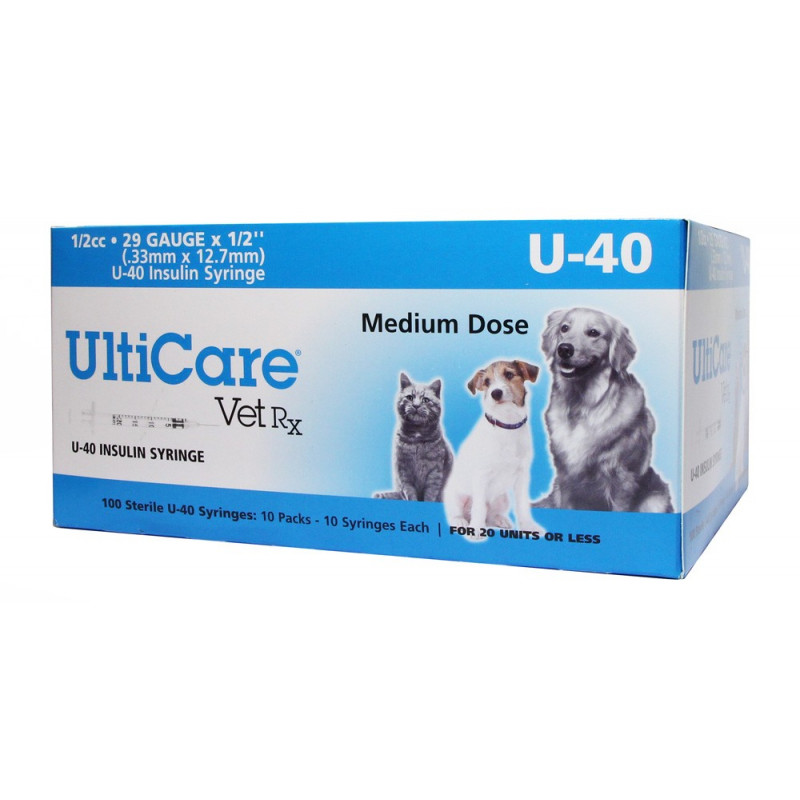
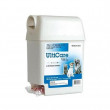
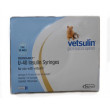
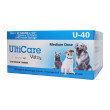
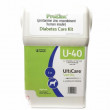
What is U-40 Syringes for ProZinc & Vetsulin Insulin?
U-40 Syringes are the best choice for insulin administration to manage glucose levels for ease-of-use and your pet's comfort. It provides the correct dosing. U-40 Syringes require a prescription from your veterinarian if you reside in Connecticut, Delaware, New Hampshire, New Jersey, Oklahoma, Florida (Broward and Dade counties) or New York.
For:
Cats for Vetsulin and Prozinc, Dogs for Vetsulin
Benefits:
- High-quality sterile syringes
- Latex-free
- Does not produce fever
- 100 syringes in each box
- Comes with or without a sharps container for easy disposing
Cautions:
Do not sterilize or reuse syringe.
Directions:
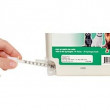
Our U-40 .3cc (3/10) and U-40 .5cc (1/2) syringes come inside sharps containers, which are very easy to use. When you are ready to inject your pet, simply take one of the U-40 syringes out of the bottom of the container. To draw the insulin into the syringe, inject the insulin bottle with the syringe and pull back on the syringe plunger until the proper dose is inside the syringe barrel. After injection, place the used syringe into the hole on the top and twist the knob located on the side of the container until the syringe falls to the bottom. When drawing the insulin into the syringe, keep the vial upside down, with the syringe needle pointing upwards to release the insulin back into the bottle if any air enters the syringe.
Dosage:
Cats: | |
| Weight | Dosage |
| All weights | If dose is up to 12 units, U-40 .3cc (3/10) syringe used for Vetsulin and ProZinc. If dose is 12.5-20 units, U-40 .5cc (1/2) syringe used for Vetsulin and ProZinc. If dose is 20.5-40 units, use U-40 1cc syringe used for Vetsulin and ProZinc |
| Dogs: | |
| Weight | Dosage |
| All weights | If dose is up to 12 units, U-40 .3cc (3/10) syringe used for Vetsulin. If dose is 12.5-20 units, U-40 .5cc (1/2) syringe used for Vetsulin. If dose is 20.5-40 units, use U-40 1cc syringe used for Vetsulin |
| Horses: |
| Do not use! |
U-40 Insulin Syringe:
Material Content: Plastic Syringe, 28, 29 Gauge x Needle | |
| Details: Latex-Free |
- High-quality sterile syringes
- Latex-free
- Does not produce fever
- 100 syringes in each box
- Comes with or without a sharps container for easy disposing
3 other products in the same category:
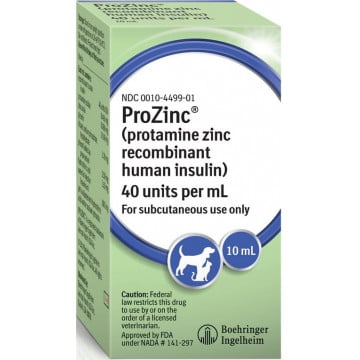
ProZinc Insulin for Dogs and Cats
ProZinc is insulin combined with zinc and protamine which helps to prolong the release of the insulin into your cat's and dog's body. ProZinc requires a prescription from your veterinarian. U-40 Syringes are sold separately. ProZinc Cat and Dog Insulin requires refrigeration and must be kept at refrigerator temperatures at all times.


Added to Cart