
Your dog scratches at the rug a few hours after a bath. Their coat feels clean, but the skin underneath looks flaky, tight, or irritated. That reaction doesn't always mean the shampoo was harsh or that you bathed your dog incorrectly. Washing can remove some of the natural lipids that help the outer skin retain water, especially when a dog already has a fragile skin barrier.
A dog conditioner for dry skin can support that barrier after cleansing, but it isn't a cure for every itchy or inflamed skin problem. The right product, application method, and veterinary assessment all matter.
Table of Contents
- Understanding Canine Dry Skin and Bathing
- Key Ingredients That Repair the Skin Barrier
- Comparing Types of Dog Conditioners
- Proper Application Techniques for Maximum Moisture
- Safety Considerations and Veterinary Warning Signs
- Building a Sustainable Skin Care Routine
Understanding Canine Dry Skin and Bathing
A dog's outer skin layer, called the stratum corneum, works like a protective wall. Skin cells form the structure, while lipids between those cells help limit water loss. When this barrier is disrupted, water can escape more easily through the skin. Veterinarians measure this process as transepidermal water loss, or TEWL.
Bathing is useful because it removes dirt, allergens, excess oil, and other material from the coat. It can also remove some protective lipids, particularly if the cleanser is poorly suited to the dog, isn't rinsed completely, or is followed by aggressive drying. A conditioner helps by adding water-attracting ingredients and barrier-supporting materials after the cleaning step.
Practical rule: Clean the coat without treating the skin as if all oil is harmful. Your goal is a comfortable, functioning barrier, not a completely oil-free surface.
Dogs with persistent skin symptoms deserve more than a change in grooming products. Skin and hair-coat concerns account for as many as 25% of veterinary visits, according to veterinary information about nutrition, skin, and dogs. In a U.S. study of 31,484 dogs seen at 52 veterinary practices, atopic or allergic dermatitis, including atopy, affected 4.7% of dogs, while broader estimates for canine atopic dermatitis range from 3% to 15%, as summarized by the same veterinary source.
That context helps explain why a dog may scratch after bathing for reasons unrelated to simple dryness. Allergies, infection, parasites, and other dermatological conditions can create itch and inflammation, and a conditioner may only provide supportive comfort. For related bathing guidance, see this resource on shampoo for dogs with skin allergies. If insects are a concern around the home, FullScope Pest Control's FullScope Pest Control ant guide offers practical information about identifying and managing ants, although ants aren't a substitute for a veterinary skin assessment.
Key Ingredients That Repair the Skin Barrier
A useful conditioner does more than make the coat feel slippery. It should help the skin attract water, hold water, and reduce the escape of water after bathing. Veterinary dermatology guidance recommends dog-specific formulations containing humectants and barrier-supportive ingredients such as glycerin, panthenol, phospholipids, sphingolipids, and fatty alcohols, as described in this veterinary dermatology guide to dry skin.
Humectants attract water
Glycerin and panthenol are humectants. They help attract and retain water near the skin surface, which can make dry areas feel more flexible and less rough. A humectant doesn't replace the skin's own barrier lipids, so it works best as part of a balanced formula rather than as the only active type of ingredient.
Look for these ingredients when your dog's coat feels brittle or the skin appears mildly flaky after washing. Their role is moisture management, not treatment of an underlying allergy or infection.
Lipids help limit water loss
Phospholipids and sphingolipids resemble materials involved in the skin's natural barrier. They can help replenish the lipid environment between skin cells, while fatty alcohols can provide emollient conditioning without functioning like the drying alcohols owners often worry about.
This is why the ingredient list matters more than a broad claim such as “hydrating.” A formula with both humectants and barrier-supporting lipids addresses two different parts of the problem. For broader background on barrier repair in skincare, Mesoderm RX offers a skin barrier fix from Mesoderm RX, though products made for people shouldn't automatically be used on dogs.
The regulatory distinction also matters. The American Kennel Club's explanation of dry skin on dogs notes that the FDA regulates medicated animal shampoos, but not cosmetic animal shampoos. A cosmetic conditioner shouldn't be described as if it were a medication, and words such as “cures,” “treats,” or “prevents disease” require particular caution.
For nutritional skin and coat support, pet owners can review Welactin Omega-3 Skin & Coat Liquid Supplement for Dogs and discuss whether a supplement fits their dog's diet and health needs with a veterinarian.
Comparing Types of Dog Conditioners
The best format is the one you can apply correctly and use consistently without irritating your dog's skin. A rinse-out product suits a complete bath, while a leave-in spray may be more practical for coat maintenance between baths. Waterless foams can help when a full bath isn't realistic, but they shouldn't be treated as interchangeable with a thorough cleansing routine.
| Conditioner Type | Best For | Moisture Retention |
|---|---|---|
| Rinse-out conditioner | Dogs receiving a full bath, especially with medium or long coats | Provides short-term conditioning after shampooing, with excess product removed during rinsing |
| Leave-in spray | Light coats, detangling, and dogs needing gentle maintenance between baths | Leaves a conditioning layer in place, but sensitivity and product instructions still matter |
| Waterless foam | Spot cleaning or situations where soaking the entire dog isn't practical | Offers localized support, though coverage and cleansing differ from a full bath |
Rinse-out formulas
A rinse-out conditioner is often the simplest choice after shampooing. Work it through the coat toward the skin, follow the label's contact instructions, and rinse carefully. This format can be useful for dogs whose skin tolerates bathing but feels tight afterward.
The HyLyt Crème Rinse is listed for cats and dogs as an after-shampoo treatment containing emulsifiers and emollients intended to condition and hydrate the skin and coat. Product labels remain important because application directions and species instructions vary.
Leave-in and waterless options
A leave-in spray may suit a dog with a long coat that tangles during brushing, provided the dog tolerates the ingredients. A waterless foam can be convenient for a small area, but it may not distribute barrier-supporting ingredients evenly across the entire body.
Don't choose a leave-on format just because it sounds more moisturizing. Dogs with allergies can react to grooming products, including conditioners and sprays, so introduce any new product carefully and stop if irritation develops.
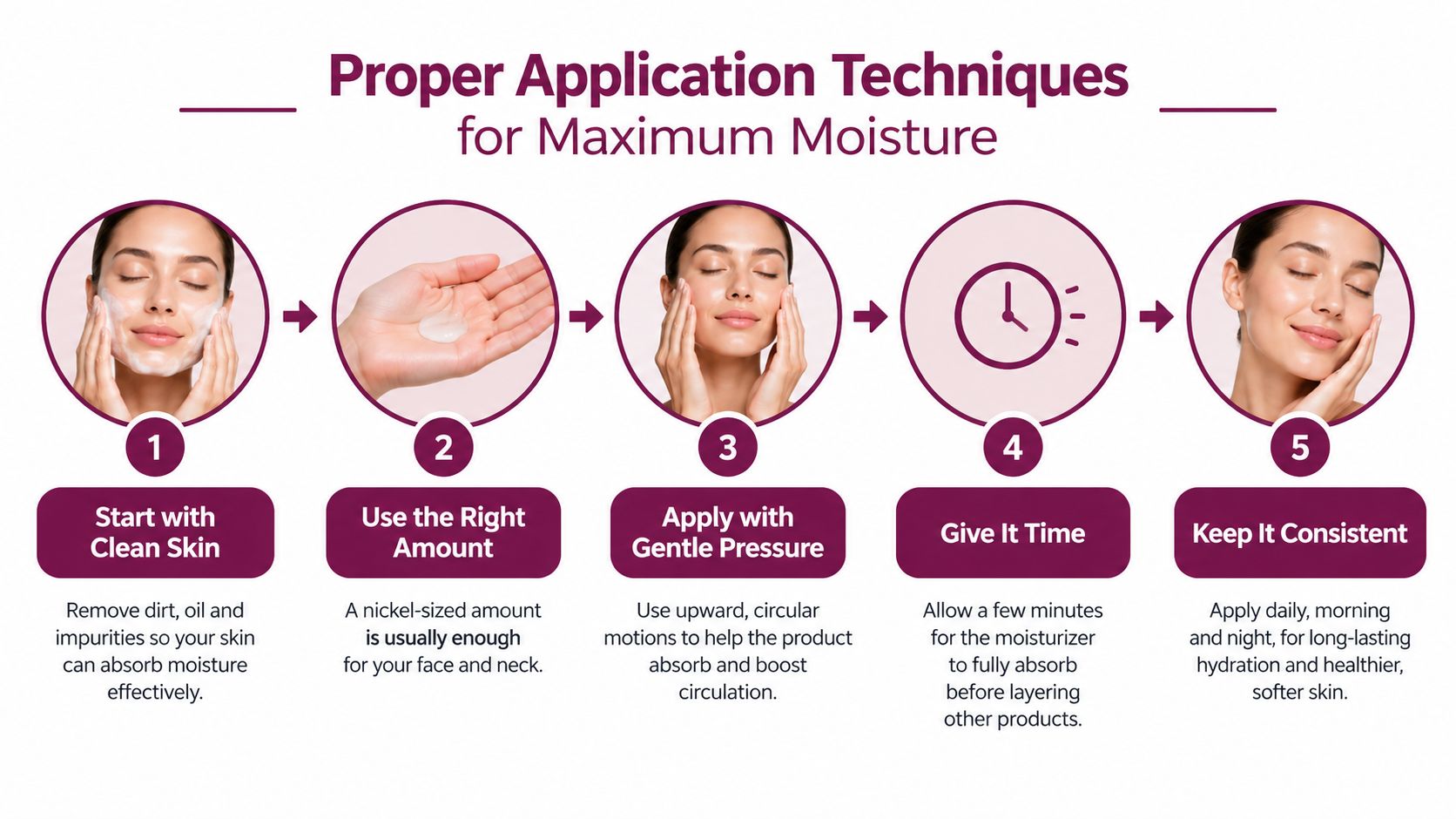
Proper Application Techniques for Maximum Moisture
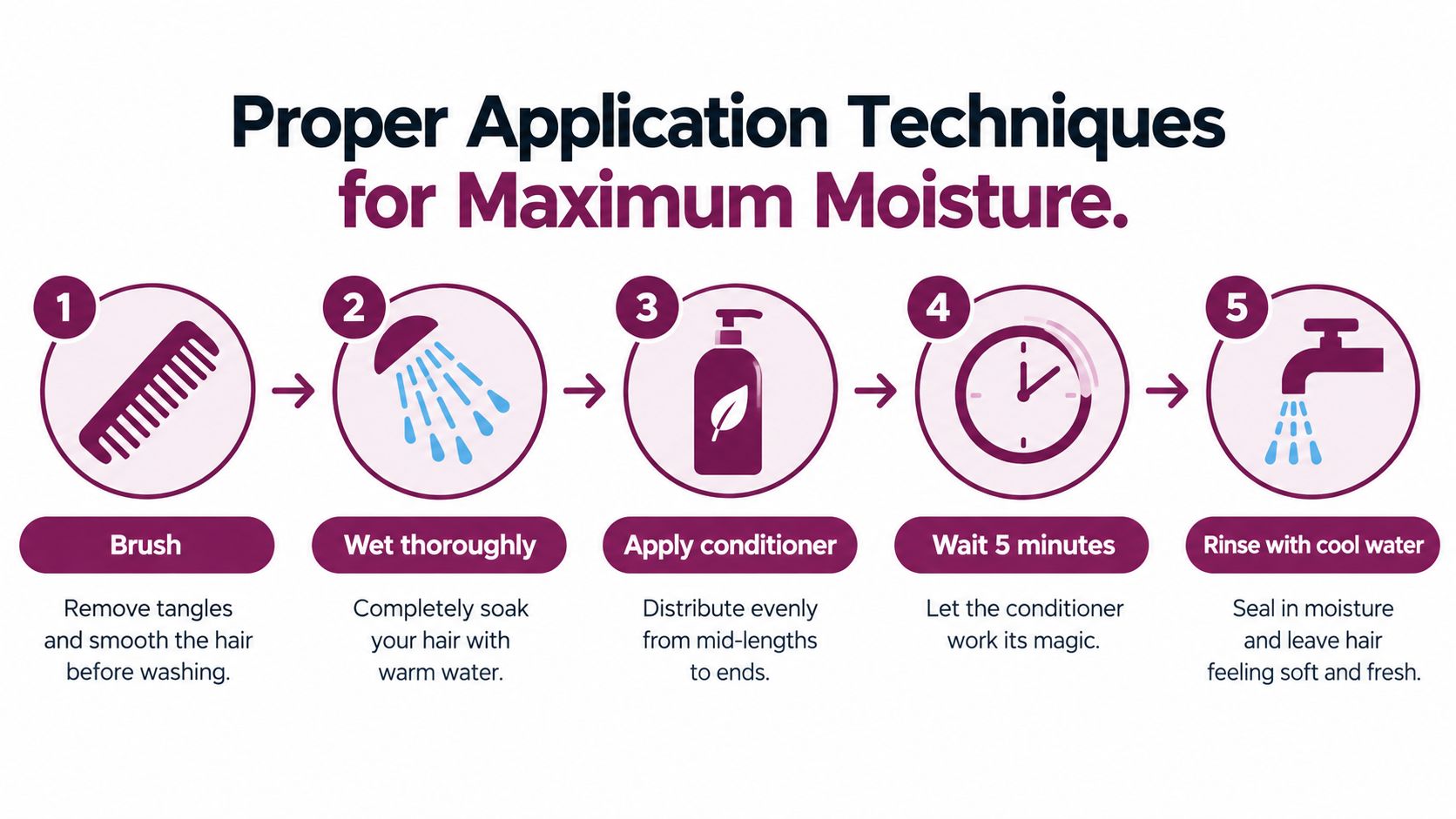
Application determines whether a conditioner supports the barrier or leaves residue that irritates the skin. Start with a dog-specific shampoo when cleansing is needed, and use water that feels comfortably lukewarm rather than hot.
- Wet the coat completely. Water should reach through the hair to the skin. Incomplete wetting can leave cleanser concentrated in isolated areas.
- Shampoo gently. Massage without vigorous scrubbing. The aim is to remove soil and allergens while minimizing mechanical irritation.
- Rinse until the water runs clear. Incomplete rinsing can leave shampoo behind and trigger irritation. Pay attention to dense fur, skin folds, paws, and areas under the collar.
- Apply a rinse-out conditioner. Distribute it through the coat and down toward the skin, following the product label. Avoid the eyes, mouth, and any area where the label says not to apply it.
- Rinse thoroughly if the product is rinse-out. Residue isn't the same as barrier repair. If your dog becomes itchier afterward, discontinue the product and contact your veterinarian if the reaction persists.
- Dry gently. Pat with a towel and avoid warm or hot air. Hot air can worsen irritation in inflamed skin, according to veterinary guidance on dog skincare.
Timing matters for leave-on products
If a veterinarian prescribes a leave-on conditioner, guidance says to apply it within 1 hour after drying. That timing is intended to reduce TEWL and help the product support water retention while the post-bath barrier is vulnerable. A leave-on product is not automatically appropriate for every dog, so follow the veterinary or product directions rather than applying more often or in larger amounts.
Let your dog dry comfortably in a warm, draft-free area, but don't use intense heat to speed the process. A calm routine also reduces scratching and rubbing while the skin settles.
Safety Considerations and Veterinary Warning Signs
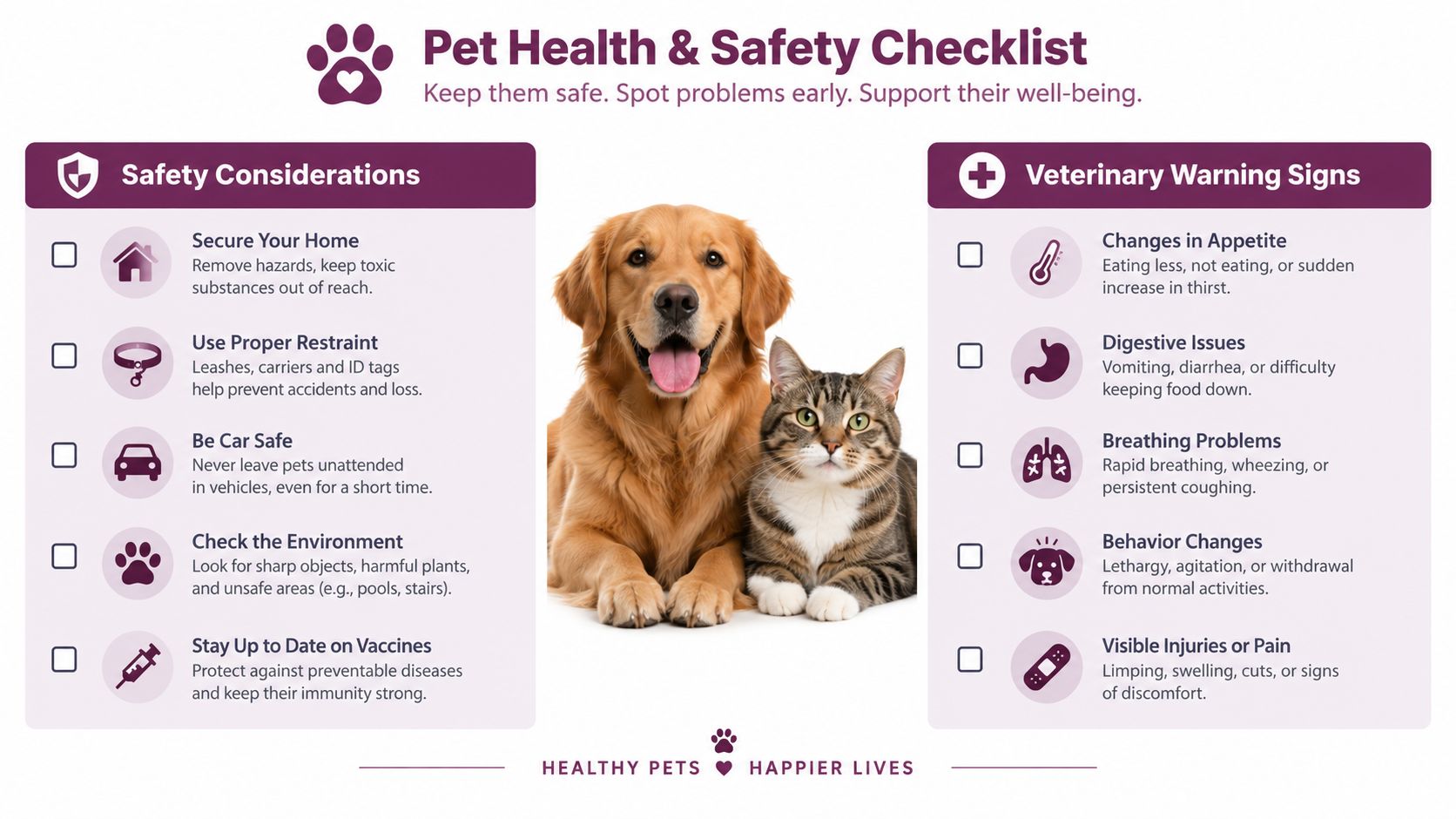
Human conditioner isn't a safe default for dogs. Human products may contain fragrances or other ingredients that a dog's skin doesn't tolerate, and their formulation may not be designed for canine use. Choose a product labeled for dogs, check the species directions, and avoid applying anything to broken skin unless a veterinarian specifically directs you to do so.
Botanical ingredients aren't automatically gentle. A dog with allergic or sensitive skin may react to a shampoo, conditioner, or spray, as noted in this discussion of dogs becoming itchy after grooming. Test cautiously according to veterinary advice, prevent licking where appropriate, and watch for a change in redness, scratching, swelling, or discomfort.
Know when grooming is no longer enough
Mild flaking after a bath may improve with gentler cleansing and suitable conditioning. Persistent or worsening symptoms need a professional assessment because dry skin can accompany a broader dermatological problem.
Contact your veterinarian if you notice:
- Marked redness: Strong erythema suggests inflammation rather than ordinary post-bath dryness.
- Open sores or scabs: Broken skin can require diagnosis and targeted treatment.
- Persistent pruritus: Ongoing, intense itching isn't something to mask indefinitely with moisturizer.
- Hair loss or spreading lesions: Changes in coat coverage or skin appearance warrant evaluation.
- Odor, discharge, or painful areas: These signs may indicate a problem that grooming products can't address.
Don't use a conditioner to postpone care. A product can support the skin barrier, but it can't identify the cause of recurring itch, sores, infection, or allergy.
Medicated shampoos and topical treatments are different from cosmetic conditioners. The topical medication for itchy skin guide can help you understand why treatment should be selected with veterinary input. Don't start, stop, combine, or substitute prescription medication without the prescribing veterinarian's direction.
Building a Sustainable Skin Care Routine
Healthy skin care is a routine, not a single product purchase. Begin by identifying what happens before the scratching starts. If symptoms appear after every bath, review the shampoo, rinsing, drying temperature, and conditioner. If your dog itches between baths or develops redness, sores, odor, or hair loss, arrange a veterinary examination instead of repeatedly adding products.
A practical routine may include:
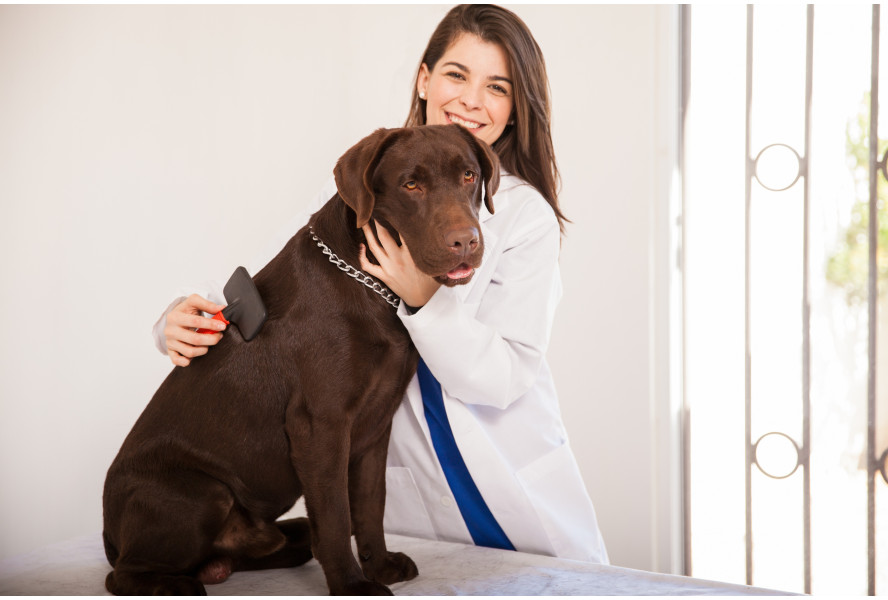
- Brush thoughtfully: Remove loose material and identify tangles before bathing, without pulling at the skin.
- Clean only when needed: Use a dog-specific cleanser and rinse it completely.
- Condition purposefully: Choose humectants plus barrier-supporting lipids when dryness is the main concern.
- Dry gently: Avoid hot air, especially over inflamed areas.
- Monitor the response: Stop a new product if your dog becomes more irritated.
- Support the whole plan: Discuss diet, supplements, allergies, and recurring symptoms with your veterinarian.
For owners comparing general personal-care routines, Skin Perfection's ethical skincare guide for men provides a separate human skincare perspective. It shouldn't replace canine-specific product guidance, but it illustrates the broader principle of matching care to the skin barrier rather than relying on appearance alone.
If allergies may be contributing to recurring symptoms, review how to reduce dog allergies and involve your veterinarian in identifying practical next steps. A carefully chosen dog conditioner for dry skin can be one useful part of that plan, especially when you apply it correctly and reassess the skin regularly.
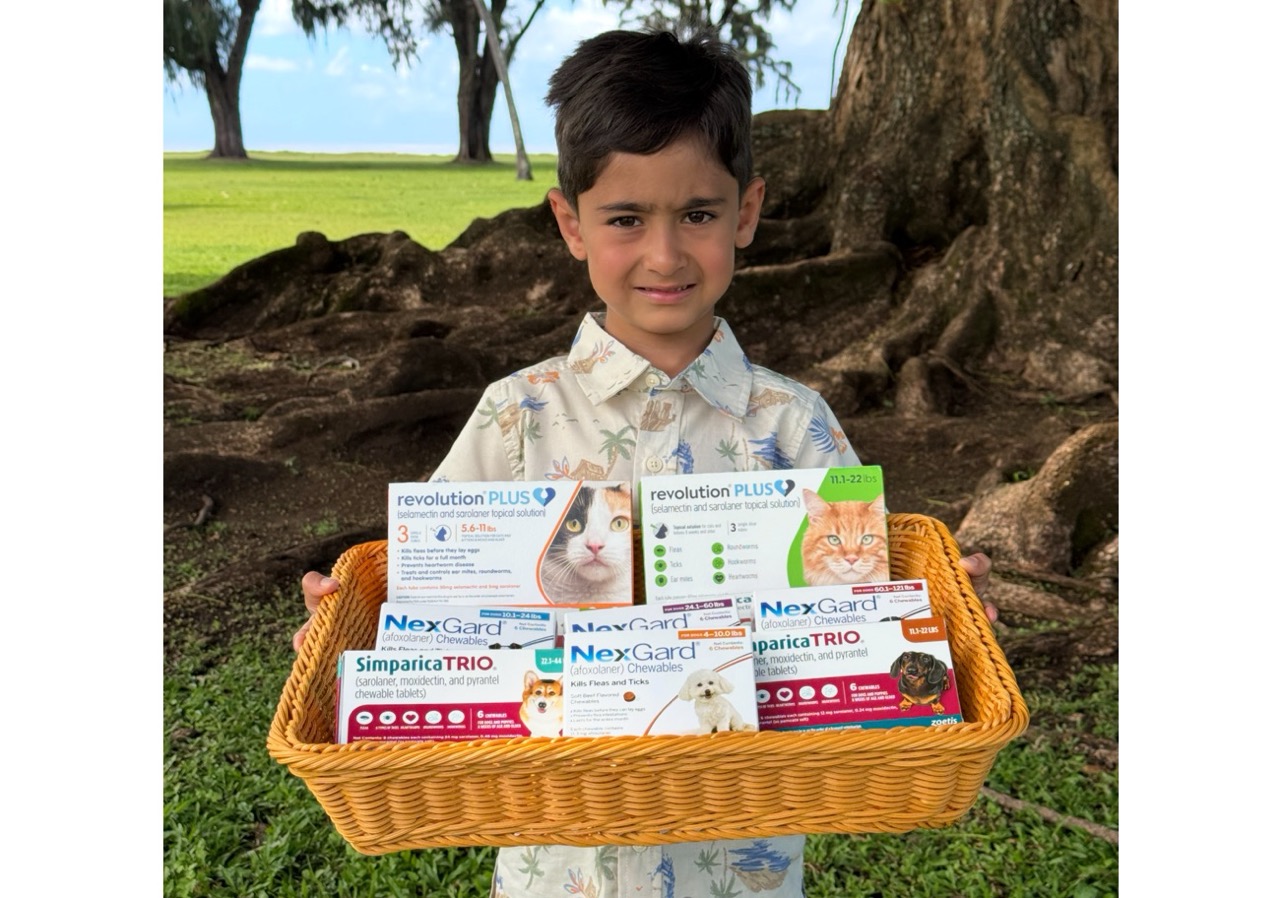
Bandana Rx provides prescription and over-the-counter pet medications, preventive products, shampoos, topical care, and skin and coat supplements for dogs and cats. Visit Bandana Rx to explore available grooming and skin-support options, and speak with your veterinarian before using a product for persistent or medically significant skin symptoms.