




You're comparing several chews that all promise better mobility, but their labels point in different directions. One relies on glucosamine and chondroitin, another emphasizes eggshell membrane or UC-II collagen, and a third prioritizes a once-daily treat format. The best joint support supplements choice depends on your pet's species, weight category, health status, veterinarian's advice, ingredient fit, label directions, palatability, and ongoing cost, not on a universal ranking.
This roundup evaluates each option by formulation strategy, species and size coverage, administration, evidence context, limitations, safety considerations, and purchasing continuity through Bandana Rx. Supplements aren't substitutes for veterinary assessment or prescribed treatment when your dog or cat has significant pain, stiffness, swelling, or mobility changes. For additional background on evaluating products, see this guide to choosing joint supplements that work.
Table of Contents
- 1. Joint Supplements from Bandana Rx
- 2. Nutramax Dasuquin
- 3. Nutramax Cosequin
- 4. Virbac MOVOFLEX Advanced Soft Chews
- 5. Vetoquinol Flexadin Advanced
- 6. VetriScience GlycoFlex Healthy Hip and Joint
- 7. Dechra Phycox
- Top 7 Joint Support Supplements Comparison
- Choose Continuity, Not Just a Chew
1. Joint Supplements from Bandana Rx
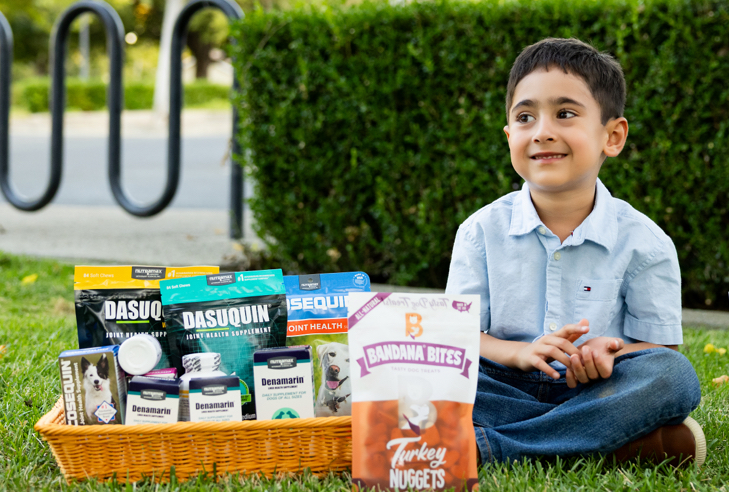
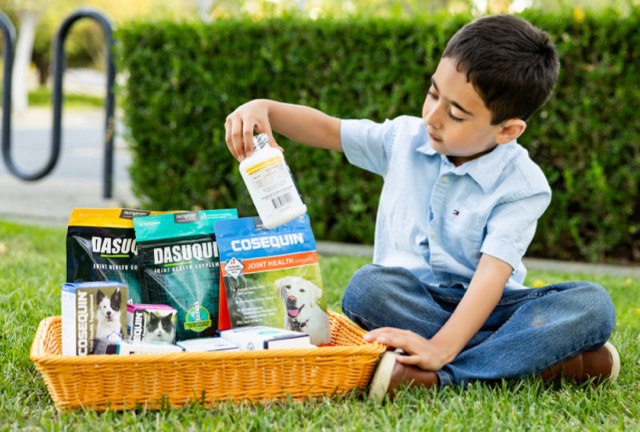
Bandana Rx's joint supplement category is the strongest starting point for owners who want a focused, pharmacy-supported assortment rather than an unfiltered marketplace search. The collection includes recognized products such as Dasuquin, Cosequin, and MOVOFLEX, with options for dogs and cats, multiple strengths, and formats that can make daily administration easier.
The ingredient comparison is clear. Glucosamine and chondroitin appear in several formulas as cartilage-support ingredients, while MSM is included in selected products for additional joint-support positioning. That doesn't make every formula interchangeable. A cat may need a species-specific product, a large dog may require a different strength category, and a pet that refuses tablets may be more likely to accept a soft chew.
Practical rule: Compare the active ingredients and serving directions, not just the brand name or container size.
The category is especially relevant because joint products are already widely used in companion-animal care. In a large 2022 U.S. dataset of 12,126 dogs, 46.7% received at least one daily supplement, and 87.8% of supplement users received a joint-support supplement. The same dataset found that 40% of adult dogs overall received some type of joint supplement, compared with 70% of dogs with osteoarthritis and 37.4% of dogs without an osteoarthritis diagnosis. These findings come from the published canine supplement-use dataset, and they show adoption, not proof that every product works for every pet.
Why pharmacy support changes the buying decision
Bandana Rx adds practical services around the product. Its published category information describes a licensed U.S. veterinary pharmacy, manufacturer warranties, quality inspections, refill and subscription options, order tracking, veterinary support, educational resources, free standard shipping on orders over $49 excluding cold-shipped products, and 30-day returns without a restocking fee.
That infrastructure matters for a supplement used consistently. Owners can review labels, preserve purchasing continuity, and seek guidance when the pet's condition or treatment plan changes. Still, whether joint-support supplements work remains a product- and pet-specific question. Dietary supplements aren't held to the same approval pathway as prescription drugs, so ask your veterinarian about the formulation, serving directions, allergies, current medications, and whether a supplement belongs alongside prescribed pain management.
2. Nutramax Dasuquin
Dasuquin takes a broad combination-formula approach. Its core product positioning brings together glucosamine, chondroitin, and avocado soybean unsaponifiables, commonly called ASU. Some variants add MSM, eggshell membrane, botanicals, or antioxidants, while Dasuquin Advanced adds further active ingredients and is commonly distributed through veterinary channels. Product details are available on the official Dasuquin website.
This makes Dasuquin appealing when an owner wants a multi-ingredient formula without assembling separate products. The line includes dog and cat products, size-oriented options, soft chews, and tablets. Soft chews may help owners whose pets resist pills, although palatability still varies between individuals.
The trade-off is complexity. A longer ingredient list gives you more components to review, but it also makes it harder to identify which ingredient is responsible if your pet improves or develops a problem. Advanced versions may also be less convenient to source because some are sold through veterinary practices, and premium combination formulas can cost more than simpler options.
Evidence context for glucosamine and chondroitin
The clinical evidence for this category isn't uniform. A systematic review and meta-analysis published in 2022 concluded that omega-3 products beneficially modulate painful osteoarthritis in dogs and cats, while chondroitin-glucosamine showed no analgesic effect, as described in the veterinary evidence review. Earlier randomized work involving a glucosamine and chondroitin product reported improvements in pain, weight-bearing, and overall severity scores by day 70 in 35 dogs, with statistical significance reported at P < 0.001. Later reviews, however, found insufficient or inconsistent evidence to recommend these ingredients as replacements for standard pain therapy.
That history supports a cautious conclusion. Dasuquin may be a reasonable product to discuss with a veterinarian when a multi-ingredient chew fits the pet, but its formulation and brand familiarity shouldn't be treated as a guarantee of meaningful pain relief.
For a practical overview of the ingredient category, see Bandana Rx's glucosamine information for dogs.
3. Nutramax Cosequin
Cosequin is the more straightforward Nutramax strategy, centered primarily on glucosamine and chondroitin with formulas that may add MSM, omega-3s, or botanical ingredients such as boswellia. The product family spans dogs, cats, and horses, with tablets and palatable chews available through the official Cosequin website.
Its main advantage is choice within a familiar formulation family. Owners can compare simpler products with versions that add other ingredients, and larger packages may make regular use easier to manage. Cosequin can also serve as an entry point for someone who wants to discuss a conventional joint supplement with a veterinarian without immediately selecting a more elaborate combination.
The limitation is that a lower-complexity formula may not match every clinical situation. A pet with substantial osteoarthritis may need a broader veterinary pain-management plan, and a chew or tablet that works for one dog may be rejected by another. Don't interpret a lower price or wider availability as evidence of weaker or stronger clinical performance.
What the guidelines say
The National Center for Complementary and Integrative Health discussion of glucosamine and chondroitin summarizes the disagreement. It notes that the American College of Rheumatology and Arthritis Foundation 2019 guideline strongly recommends against glucosamine alone or with chondroitin for knee osteoarthritis, while the American Academy of Orthopaedic Surgeons 2017 hip osteoarthritis guideline concluded that moderate-strength evidence didn't support glucosamine sulfate for hip osteoarthritis. Those are human clinical guidelines, so they shouldn't be transferred directly to dogs or cats, but they reinforce why ingredient familiarity isn't the same as dependable analgesia.
The Bandana Rx joint-support supplement collection can help owners compare available pet products, but a veterinarian should determine whether a supplement is appropriate for the animal's actual diagnosis and treatment plan.
4. Virbac MOVOFLEX Advanced Soft Chews
MOVOFLEX is built around palatability and adherence. The dog-focused soft chew uses eggshell membrane and hyaluronic acid in a finished formulation tested in dogs at the labeled dose. It's designed for size-based, once-daily administration, which can be easier to maintain than a product requiring several daily servings.
That dosing simplicity is the central reason to consider it. Owners often abandon routines when a pet refuses a product or the schedule becomes difficult. A treat-like chew may reduce that friction, although no format guarantees acceptance. The product's U.S. availability and participation in the NASC quality program are described by Virbac's product information.
Best fit and limitations
MOVOFLEX makes the most sense for a dog whose owner values a simple routine and wants to consider ingredients outside the traditional glucosamine-chondroitin stack. Its finished-product research is more relevant than evidence on an isolated ingredient alone because the product was evaluated in the form and labeled serving used by customers. Even so, a product test doesn't establish that every dog will experience a noticeable improvement.
The cost per chew may be higher than that of basic glucosamine products, and the MOVOFLEX name offers fewer feline options in the U.S. market. Dogs with persistent or worsening mobility problems may need examination, imaging, weight-management guidance, rehabilitation, or prescription treatment rather than a supplement alone. Bandana Rx's educational resource on pain management for dogs after surgery is useful context, but postoperative decisions must remain with the treating veterinarian.
A once-daily chew is valuable only if the pet can take it consistently and the owner can monitor the response.
5. Vetoquinol Flexadin Advanced
Flexadin Advanced uses a different formulation rationale: UC-II, or undenatured type II collagen, rather than a conventional glucosamine and chondroitin combination. The product is positioned for dogs and cats, with one-chew-per-day administration across size categories. Extra Strength veterinary variants add omega-3s and vitamin E, according to Vetoquinol's U.S. product information.
This alternative mechanism may appeal to owners whose pets don't tolerate or accept traditional formulas, or who want to discuss a single-chew routine with their veterinarian. It also makes label comparison easier in one respect. The buyer can immediately identify that Flexadin's core approach differs from the ingredients emphasized by Dasuquin and Cosequin.
The product still requires careful interpretation. UC-II shouldn't be assumed to outperform glucosamine, chondroitin, eggshell membrane, or omega-3 products for every pet. A different mechanism is a reason to compare, not proof of superiority.
Availability and value
The one-chew format is convenient, but convenience can carry a premium per serving. Some Extra Strength versions are commonly distributed through veterinary clinics, which may affect access and price. Owners should verify the exact product, species label, strength category, and seller rather than assuming that every Flexadin listing has the same composition.
This option is particularly worth discussing when the practical problem is routine adherence. If a dog or cat refuses a multi-tablet regimen, a once-daily chew may be easier to sustain. If the pet is already receiving prescription pain medication, has a diagnosed joint condition, or takes other supplements, don't add or combine products without veterinary guidance.
6. VetriScience GlycoFlex Healthy Hip and Joint
A cat may accept a powder mixed with food while a dog prefers a flavored chew. VetriScience's GlycoFlex line, now presented in related materials under the Healthy Hip and Joint branding, offers those administration choices alongside tablets for dogs and cats. Its formulation centers on New Zealand green-lipped mussel, also called Perna canaliculus. Higher-strength tiers add glucosamine and chondroitin, while Plus, Extra, and Ultimate Strength labels distinguish products within the range, as described by VetriScience.
The formulation strategy therefore prioritizes green-lipped mussel, with some versions extending the traditional glucosamine and chondroitin approach. Evidence for glucosamine and chondroitin remains inconsistent across reviews, so the mussel-based core is better treated as a formulation preference than as proof of pain relief or structural improvement.
The buyer's main task
Check the current label before ordering. Confirm whether the container says GlycoFlex or Healthy Hip and Joint, identify the strength tier, verify the species, and follow the serving directions. Container size does not show the daily cost or how much of each active ingredient the pet receives. The branding change increases the chance of choosing the wrong SKU.
Format variety can create practical value when acceptance determines whether the routine continues. A powder may suit a cat that rejects chews, while a flavored chew may fit a dog's preferences. Manufacturer materials also describe NASC compliance and U.S. manufacturing, but those quality signals do not establish clinical benefit.
For severe osteoarthritis, use a supplement as one possible part of care rather than the full plan. Veterinary guidance matters when pain is substantial, mobility is declining, or the pet already receives treatment. Compare the exact formula, serving burden, and cost per day with other strategies, because products in this category are not interchangeable.
7. Dechra Phycox
Phycox stands apart through phycocyanin, an antioxidant and anti-inflammatory compound derived from blue-green algae, paired with other joint nutraceuticals. Dechra offers standard, Small Bites, and Hypoallergenic formulations for dogs, allowing owners to compare size and dietary preferences within the product family. The official Dechra Phycox page provides the manufacturer's product information.
The Hypoallergenic option is the most distinctive practical feature. It may give owners another label to discuss when ingredient sensitivities complicate the choice, although “hypoallergenic” shouldn't be treated as a guarantee that an individual dog can tolerate every component. Review the complete ingredient panel with your veterinarian, especially if your dog has a history of food reactions or is on a restricted diet.
Phycox also has a longstanding veterinary presence, NASC quality-seal participation across the line, and larger tub options that may help with ongoing purchasing. Those characteristics support selection and continuity, but they don't establish that the product will relieve pain or replace veterinary treatment.
Where it fits
Phycox is primarily a canine option, with fewer feline equivalents in the U.S. catalog. Some owners may notice texture differences between batches, so monitor acceptance and storage carefully. If your dog refuses the product, develops digestive or other concerning symptoms, or continues to limp or struggle with stairs, contact a veterinarian rather than escalating the serving on your own.
Bandana Rx's Phycox soft chews information can help you review the product in a pharmacy setting. The most defensible reason to select Phycox is its ingredient and format fit, not a claim that phycocyanin is universally better than collagen, omega-3, or glucosamine-based approaches.
Top 7 Joint Support Supplements Comparison
| Item | Implementation complexity | Resource requirements | Expected outcomes | Ideal use cases | Key advantages |
|---|---|---|---|---|---|
| Joint Supplements – Bandana Rx | Low, OTC selection with vet guidance | Moderate, purchase/subscription, pharmacy services | Variable; gradual support over weeks, not a cure | Owners wanting curated, vet-backed OTC options and continuity | Vet-curated list + licensed pharmacy services and support |
| Nutramax Dasuquin | Low–Moderate, choose formula/strength; some vet-only SKUs | Moderate–High, premium pricing, vet-distributed variants | Multimodal joint support; clinically familiar results | Moderate–severe OA or vet-recommended advanced therapy | ASU-based multimodal formula, strong vet acceptance, tight QC |
| Nutramax Cosequin | Low, simple selection across many SKUs | Low–Moderate, widely available, budget tiers | Cartilage support; variable improvement for mild–moderate cases | Preventive support and budget-conscious owners | Broad availability, value pricing, many formats |
| Virbac MOVOFLEX / MOVOFLEX Advanced | Low, once-daily chew, size-based dosing | Moderate, higher cost per chew, tested product | Improved comfort; finished-product testing at labeled dose | Dogs needing highly palatable, once-daily regimen | High palatability, once-daily dosing, NASC seal |
| Vetoquinol Flexadin Advanced | Low, one-chew-per-day protocol | Moderate–High, clinic-only extra strengths, premium price | Joint support via UC-II (oral tolerance); variable response | Pets not tolerating glucosamine or needing simple dosing | UC-II mechanism, one-chew simplicity, vet variants |
| VetriScience GlycoFlex (Healthy Hip & Joint) | Low–Moderate, select strength/format | Low–Moderate, generally good value across formats | GLM-centered support; helpful for mild–moderate OA | Owners seeking green-lipped mussel option and format flexibility | Green-lipped mussel core, multiple formats, cost-effective |
| Dechra Phycox | Low–Moderate, choose formula/size/flavor | Low–Moderate, larger tubs for lower per-dose cost | Antioxidant/anti-inflammatory support; may reduce discomfort | Dogs needing anti-inflammatory antioxidant approach or HA option | Phycocyanin active, hypoallergenic variant, vet availability |
Choose Continuity, Not Just a Chew
The best choice becomes clearer when you turn the purchase into a monitored care plan. Before starting or combining products, confirm your pet's species, weight category, health conditions, allergies, current medications, and veterinarian-approved dosing. Don't change a prescribed medication, add another joint product, or use a supplement as a substitute for pain treatment without veterinary guidance.
Compare the complete label rather than the front of the package. Serving size, active ingredients, format, storage requirements, species coverage, and cost per day all matter. A large container may not be the better value if it requires more servings, contains a lower amount per serving, or expires before your pet can use it.
A useful trial question: What specific change will you monitor, and when will you ask the veterinarian to reassess the plan?
Keep the target concrete and appropriate. You might track willingness to climb stairs, comfort during ordinary walks, ease of rising, or acceptance of the product. Avoid treating a temporary change as proof of cartilage repair or disease reversal. The evidence across glucosamine, chondroitin, omega-3s, collagen, eggshell membrane, hyaluronic acid, green-lipped mussel, and phycocyanin is formulation-specific and uneven. The NCCIH evidence summary describes uncertainty around glucosamine and chondroitin, while the veterinary review cited earlier found a more favorable signal for omega-3 products in painful osteoarthritis.
Continuity also has a purchasing dimension. If a product needs regular reordering, recurring delivery can reduce missed doses, but confirm whether Buy Once or AutoShip is available for the specific Bandana Rx product you're considering. Review the joint-supplement category for current product details, species options, serving information, pharmacy support, shipping terms, and return policies. If mobility concerns persist, worsen, or appear to require prescription treatment, arrange veterinary follow-up instead of relying on a supplement alone.
Bandana Rx offers a focused selection of dog and cat joint-support supplements, along with pharmacy services that can make label review and ongoing reordering easier. Visit Bandana Rx to compare current options, check product details, and choose a purchasing approach that supports your pet's care plan.