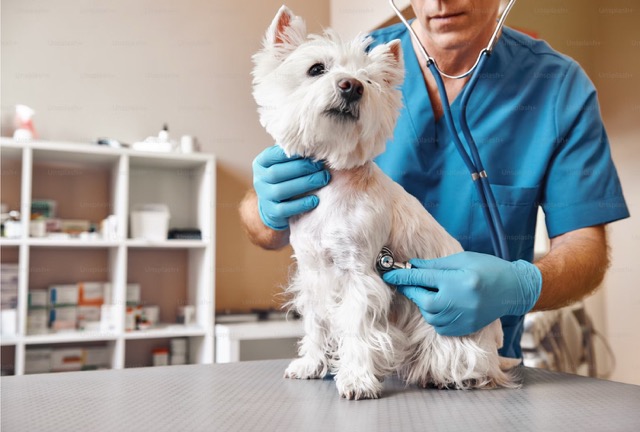





Your dog used to hop into the car without a second thought, then one morning you noticed the pause. Maybe the jump took longer, the stairs got a little slower, or a walk that used to feel easy now ends with stiffness after resting. Those small changes are often the first signs that a joint needs support, and they're easy to dismiss as “just aging” even when they're telling you something useful.
Phycox Soft Chews are one option owners ask about when they want supportive care that's simple to give and designed for dogs. The best way to think about them is not as a cure, but as a multi-ingredient joint supplement that may fit into a broader plan for comfort, mobility, and long-term monitoring. The primary question is rarely whether the chew contains joint-support ingredients, it's whether it's the right fit for your dog's health history, daily routine, and current medications.
Table of Contents
- Recognizing When Your Dog Needs Joint Support
- Inside the Phycox Soft Chews Formulation
- How to Dose and Administer Phycox Soft Chews
- Safety Considerations and When to Avoid This Supplement
- Where Phycox Fits in a Complete Joint Care Plan
- Making an Informed Decision With Your Veterinarian
Recognizing When Your Dog Needs Joint Support
A dog usually does not announce joint discomfort in a dramatic way. More often, the signs appear in small habits, a slower rise from the floor, shorter play sessions, or a dog that used to lead the walk now drifts behind. Those little shifts matter because joint disease often develops gradually, especially with osteoarthritis, hip dysplasia, or long-term wear on the same joints.

The clues owners tend to overlook
A dog may still wag, eat, and greet you normally while still being uncomfortable. That is why joint trouble is easy to miss until it starts affecting everyday movement. If your dog seems stiff after naps, avoids jumping, or needs more encouragement to climb into the car, those are practical clues that joint support may be worth discussing with your veterinarian.
A supplement is most useful when you pay attention early, before every movement becomes an effort.
Phycox Soft Chews fit into that kind of care, especially when you want to support comfort before mobility declines further. Independent product information also says the chews are intended for dogs only and should be used with veterinarian guidance if your pet has a complex medical history or known ingredient sensitivities. For a broader look at how these products are approached, do joint support supplements work gives useful context.
What to expect from supportive care
Supportive products work best when they are used consistently and paired with realistic expectations. They do not replace diagnosis, and they do not tell you whether a limp is from joint wear, soft tissue injury, or something else entirely. They are one tool among several, and they make the most sense when you are trying to support comfort while you and your vet keep an eye on how your dog moves day to day. Early observation helps you catch changes before they affect your dog's routine.
Inside the Phycox Soft Chews Formulation
A dog owner opening the bag may first notice the soft texture and flavor, but the formulation matters more than the chew itself. Phycox Soft Chews use a multi-ingredient profile, with glucosamine HCl 500 mg, MSM 400 mg, flaxseed oil 500 mg, creatine monohydrate 300 mg, a 319 mg micronutrient and phytochemical blend, turmeric 50 mg, phycocyanin 30 mg, EPA 11 mg, DHA 9 mg, boron 42 mcg, selenium 7 mcg, and vitamin E 25 IU. In practical terms, it combines several support categories in one daily product, which is why it is usually discussed as a joint supplement rather than a simple treat Phycox Soft Chews product information.
How the ingredient groups fit together
Glucosamine HCl is the ingredient many owners recognize first. It is commonly used in joint-support formulas because cartilage is living tissue and needs ongoing metabolic support.
MSM, or methylsulfonylmethane, is included for connective-tissue support and sulfur donation. Flaxseed oil adds a major lipid component and contributes alpha-linolenic acid, while EPA and DHA provide omega-3 support in smaller amounts.
The rest of the profile rounds out the formula. Turmeric, phycocyanin, vitamin E, selenium, boron, and the proprietary micronutrient blend are included to support antioxidant buffering and tissue metabolism. Manufacturer distribution data also lists calcium phosphate, manganese sulfate, zinc sulfate, vitamin C, alpha lipoic acid, and grape seed extract as part of the broader blend Covetrus product PDF.
Owners who compare formulas often find it helpful to compare glucosamine supplements side by side, because the ingredient mix and supporting nutrients can differ a lot between products. For readers comparing ingredient-focused joint products, Bandana Rx also carries Movoflex Advanced Soft Chews as an alternative option.
Why the form matters
The soft chew format can make daily use easier for dogs that refuse tablets or powders. That matters because consistency shapes the result. If a supplement is given only now and then, it becomes hard to judge whether it is helping.
This chew works like a dosed nutraceutical with several active classes working in different ways, and that is a different proposition from a flavored snack with a token joint ingredient. For many dogs, the question is not whether the chew looks appealing, but whether it fits their routine, stomach, and overall health plan.
How to Dose and Administer Phycox Soft Chews
The manufacturer uses a two-phase regimen, which is common for joint supplements that aim to build up use over time. The first phase lasts 4 to 6 weeks, then the plan shifts to a maintenance schedule that uses roughly less than the starting amount Heartland Vet Supply dosing directions. That staging matters because owners often expect quick change, but joint-support products usually need steady daily use before they're fairly judged.
Dosing guide by weight
| Dog Weight | Loading Phase Daily | Maintenance Phase Daily |
|---|---|---|
| Under 30 lb | 1 chew | 1/2 chew |
| 31 to 60 lb | 2 chews | 1 chew |
| 61 to 100 lb | 3 chews | 1.5 chews |
| Over 100 lb | 4 chews | 2 chews |
Give the chews with food unless your veterinarian tells you otherwise. That's a practical step that can help reduce stomach upset and makes the chew easier to build into a routine. Some owners split the daily amount between morning and evening meals, which can feel gentler for dogs with sensitive stomachs.
Make the routine easy to follow
A simple habit works better than a complicated plan. Keep the chews in a cool, dry place, give them at the same time every day, and track whether your dog seems more willing to rise, climb, or settle after rest.
Visible improvement often takes patience. If you stop too early, you may never know whether the product had a fair trial.
Good rule: judge the product after the full loading phase, not after a few days of use.
For help reading labels, checking storage directions, and understanding dosing language, this Bandana Rx article on how to read pet medication labels, dosage warnings and storage is a useful companion.
Safety Considerations and When to Avoid This Supplement
A lot of joint-supplement content leans on the word “natural” as if that automatically means safe for every dog. That's not a useful assumption. Phycox Soft Chews are intended for dogs only, should not be used in dogs with known hypersensitivity to ingredients, and have not been tested for safety in pregnant or breeding dogs VetRxDirect product information.

When caution matters most
Dogs with ingredient allergies should be screened carefully, especially if their history includes sensitivity to joint supplements or other flavored chews. If your dog is on a prescription plan that already includes anti-inflammatory or pain-control medication, your veterinarian should review the full list before you add anything new.
The other practical issue is tolerability. Mild stomach upset can happen with many supplements, and giving the chew with food is a common recommendation to make it easier on the gut. If vomiting or diarrhea persist, or if your dog becomes lethargic, stops eating, or shows facial swelling, hives, or other signs of an allergic reaction, contact your veterinarian promptly.
If your dog's reaction looks more than mild digestive upset, stop the supplement and call your veterinarian for guidance.
Missed doses and longer-term monitoring
If you miss a dose, don't double up unless your veterinarian specifically tells you to. Just resume the regular schedule at the next planned time. For senior dogs on long-term support, it's smart to discuss baseline bloodwork and periodic rechecks so your vet can keep an eye on overall health while the supplement is in use.
This is also where medication history matters. In a multi-drug household, the issue is often not the chew by itself, but how it fits alongside everything else your dog is already taking.
Where Phycox Fits in a Complete Joint Care Plan
Joint supplements make the most sense when they're part of a larger plan. Phycox Soft Chews can be a reasonable supportive option for dogs with mild to moderate mobility concerns, but they're not a substitute for pain control when a dog is clearly uncomfortable. In many veterinary plans, support starts with nutrition and weight management, then escalates if pain remains a problem.
How it compares with other joint-care tools
| Intervention | Best For | Onset of Action | Side Effect Risk | Long-Term Use |
|---|---|---|---|---|
| Phycox Soft Chews | Supportive care for dogs needing daily joint nutrition | Gradual | Usually lower than prescription pain drugs, but not zero | Often suitable with monitoring |
| Prescription NSAIDs | Pain and inflammation that affect quality of life | Faster than supplements | Requires veterinary oversight | Can be used long term under monitoring |
| Intra-articular therapy | Selected joint cases that need targeted veterinary treatment | Veterinary-directed | Procedure-related considerations | Case-dependent |
| Weight management | Reducing mechanical stress on joints | Gradual | Low, when done properly | Essential and ongoing |
| Physical rehabilitation | Mobility support through guided exercise and therapy | Gradual | Low to moderate, depending on plan | Often part of ongoing care |
Weight management deserves special attention because even a well-designed supplement can't offset extra load on the joints. Bandana Rx also carries weight management resources that fit naturally into a broader mobility plan.
When a supplement is enough, and when it isn't
If your dog has mild stiffness but still moves well, a nutraceutical may be a sensible first step with veterinarian oversight. If the dog is clearly painful, reluctant to stand, or losing function, a supplement alone is usually not enough. That's when your veterinarian may discuss prescription options, rehabilitation, or a different diagnostic workup entirely.
For pet owners comparing product categories, one of the most useful distinctions is this, supplements aim to support structure and comfort, while prescription pain medicines are used when pain needs more direct control. The right answer depends on the dog, not the label.
Making an Informed Decision With Your Veterinarian
A good veterinary visit turns guesswork into a plan. Before starting Phycox Soft Chews, ask whether your dog's signs sound like joint disease, another orthopedic problem, or something non-joint related such as a neurological issue, tick-borne disease, or a cruciate ligament injury. Those look similar from the couch, but they're not the same problem.

Questions worth bringing to the appointment
- Current diet and supplements: Tell your vet everything your dog already gets, including treats and other joint products.
- Specific mobility concern: Describe whether the issue is stiffness, limping, trouble jumping, or slower recovery after exercise.
- Dose by weight: Confirm the right amount for your dog's current body weight.
- Expected timeline: Ask what changes should happen first and when to reassess.
- Follow-up plan: Clarify whether rechecks or bloodwork make sense for your dog.
A routine exam matters more than many owners realize. The article on the importance of routine vet visits in the age of online pharmacies is a good reminder that supplement decisions work best when they're tied to real clinical oversight.
What to track after you start
Keep notes on how your dog rises, walks, climbs, and settles after rest over the first several weeks. That kind of simple observation is often more useful than a vague sense that “he seems a little better.” Joint care changes over time, so the plan should change with it.
If your dog needs joint support and you want a pharmacy that carries veterinary products, educational resources, and convenient ordering options, visit Bandana Rx to explore the choices that fit your veterinarian's recommendations. You can review joint-support products, compare formats, and use the site as part of a more informed conversation about your pet's mobility care.