

75% of women will have at least one vaginal yeast infection in their lifetime, and 40% to 45% will have two or more. If the itch is caused by yeast, a plain anti-itch cream may soothe the surface, but antifungal ingredients are what address the infection itself.
Your dog licking one paw all night, or your cat scratching an ear until the skin looks raw, can feel urgent and confusing. A lot of pet owners reach for a human cream because they want fast relief, but itching is only a symptom, not a diagnosis.
Table of Contents
- Why Your Pet Won't Stop Scratching
- Understanding Malassezia and Skin Imbalance
- Antifungals vs Corticosteroids in Topical Therapy
- How to Apply Topical Treatments Safely
- The Dangers of Human Creams and Self-Diagnosis
- When to See a Veterinarian for Persistent Itch
Why Your Pet Won't Stop Scratching
A pet that keeps returning to the same spot is telling you something is wrong, even if the skin only looks mildly red at first. A dog may lick a paw until the fur thins, or a cat may scratch around an ear until there's bleeding and scabbing. That repeated motion can turn a small problem into a bigger one fast.
The temptation is to treat the itch itself and hope the rest sorts out later. A human hydrocortisone cream can seem harmless because it calms redness, but if yeast, bacteria, or parasites are driving the irritation, the relief may be short-lived and the problem can keep smoldering under the surface.

A pet that keeps licking one spot is usually not being “dramatic,” it's reacting to irritation, infection, or both.
The itch is usually not the whole story
When scratching becomes repetitive, skin becomes inflamed, and the barrier that normally protects it starts to break down. That creates a loop, more damage leads to more irritation, and more irritation leads to more licking or scratching. A small patch can quickly become a widespread problem if the underlying trigger stays in place.
That's why searching for anti itch cream yeast infection advice often leads to mixed answers. Itching can happen with yeast, allergies, bacterial infection, or another skin disorder, so the same symptom can point to very different causes. If you want a related overview of how skin irritation can show up as hair loss, see this guide on fleas and hair loss in dogs.
Understanding Malassezia and Skin Imbalance
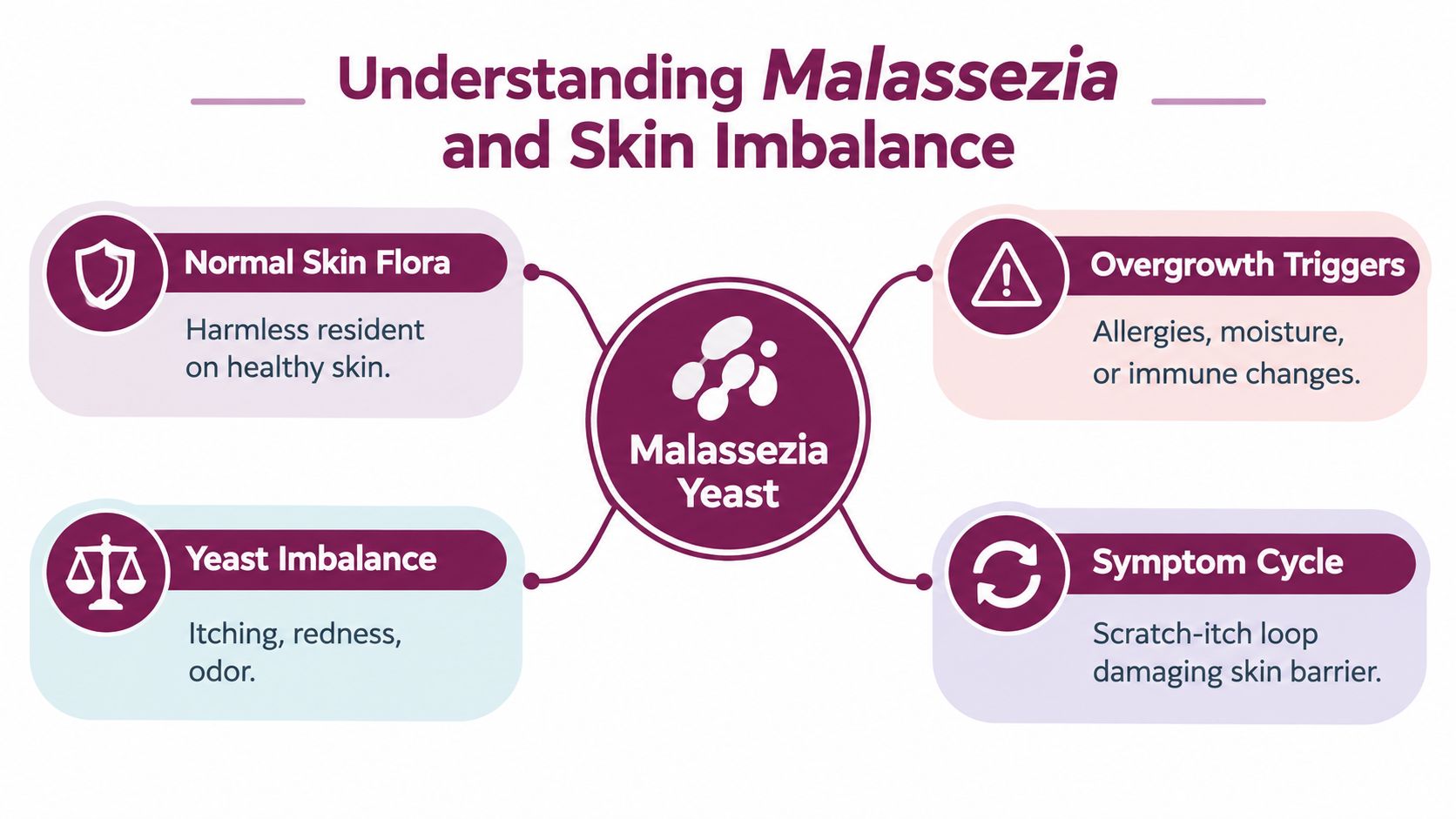
Malassezia is part of the normal skin flora in animals, which means it can reside on healthy skin without causing trouble. The problem starts when the balance changes and the yeast grows beyond what the skin can comfortably manage. Consider it a garden, the yeast isn't the only plant there, but if moisture, oil, or irritation gives it an advantage, it can crowd out everything else.
That overgrowth can show up as itching, redness, odor, greasy scale, skin darkening, or thickened skin. In dogs, the ears, paws, folds, and chest are common places for signs to appear. For cats, the pattern can be more subtle, which is one reason owners sometimes miss it until the scratching has already become persistent.
Why the environment matters
Yeast rarely acts alone. Allergies, excess skin oil, immune weakness, and repeated moisture can all make the skin less stable and easier for yeast to overgrow. Cornell University's veterinary dermatology service explains that Malassezia normally exists as part of skin flora, and disease happens when it overgrows and the trigger behind that change is still active Cornell's dermatology guidance on dermatitis in animals.
That's the key reason a cream that only quiets the itch may not solve the problem. If the skin stays oily, inflamed, or chronically moist, the yeast can keep finding the same favorable conditions again and again.
The skin is an ecosystem. If the balance shifts, treating only the itch can leave the cause untouched.
Antifungals vs Corticosteroids in Topical Therapy
Not every topical cream does the same job. Antifungal ingredients like miconazole and chlorhexidine target the yeast problem directly, while corticosteroids mainly calm inflammation. That difference matters, because a pet can look and feel better after a steroid cream, even while the underlying yeast remains active.
The CDC's candidiasis guidance shows why this distinction is important in people too. For vaginal yeast infections, azole treatment can bring symptom relief and negative cultures in about 80% to 90% of patients who complete therapy, and examples include clotrimazole 1% cream, 5 grams daily for 7 to 14 days CDC candidiasis guidance. The point isn't to copy human care onto pets, it's to show that when yeast is the cause, antifungal treatment is what addresses the source.
| Topical Ingredients Comparison | Primary Function | Risk if Used Alone |
|---|---|---|
| Antifungal | Reduces or controls yeast overgrowth | May help the cause, but still needs the right diagnosis and full course |
| Corticosteroid | Lowers inflammation and itching | Can mask symptoms while the infection continues |
| Combination product | Targets yeast and calms inflammation together | Still needs veterinary guidance so the wrong condition isn't treated by mistake |
Why a steroid can be the wrong shortcut
A steroid may seem useful because it gives fast comfort, and that's exactly why people reach for it. But if the skin problem is active yeast, steroid-only treatment can hide the redness while the organism keeps growing underneath. In pets, that can delay the diagnosis and make the next flare feel even more confusing.
That's also why combination creams should never be assumed safe for every case. A product that seems convenient on a shelf may be poorly matched to the species, the infection, or the body site. If you're comparing topical options, this overview of topical medication for itchy skin gives more context on how ingredients differ.
How to Apply Topical Treatments Safely
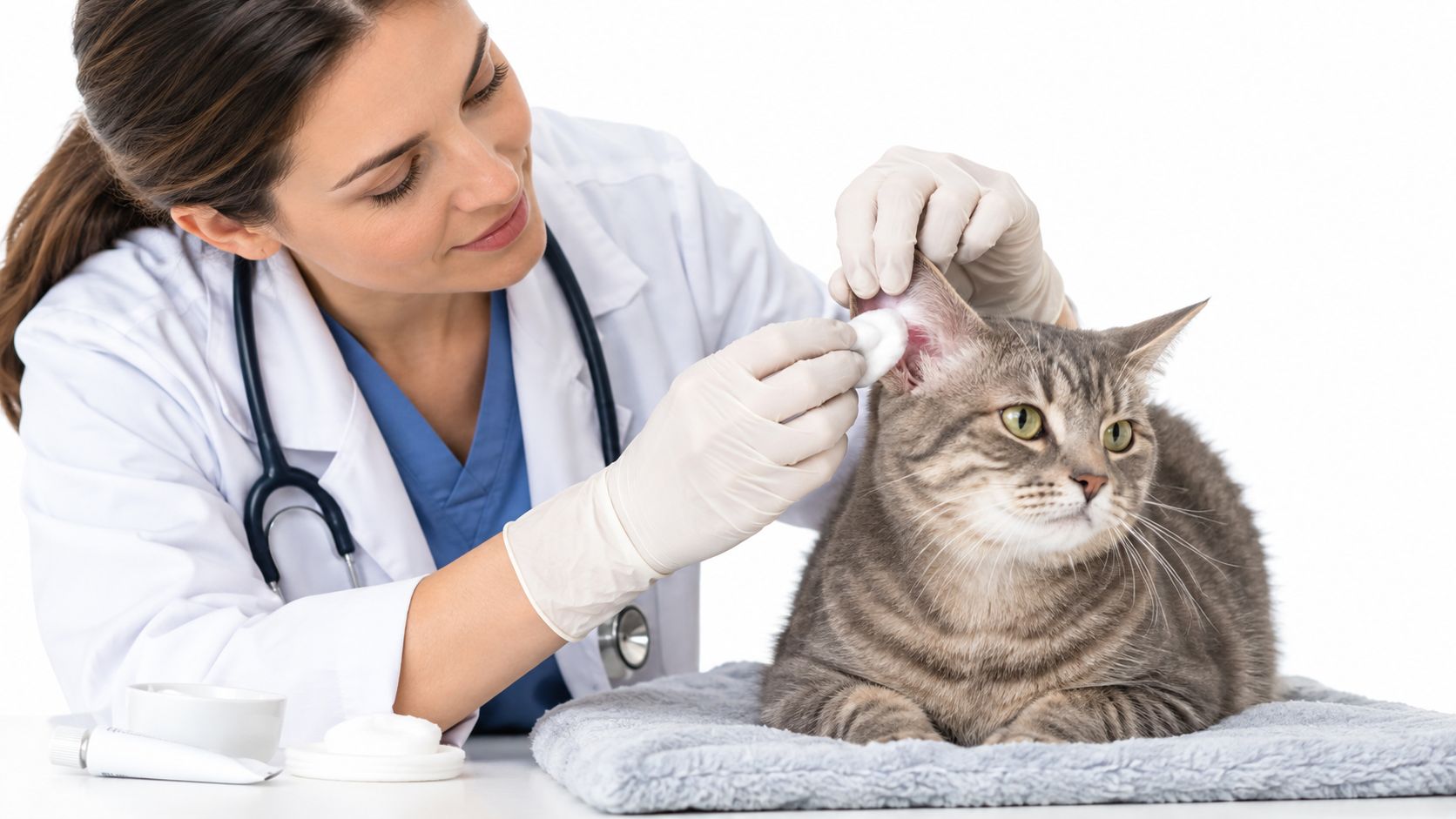
Start with clean skin, not fur covered in matted residue. If the hair is clumping, clipping the area can help the medication reach the skin instead of sitting on top of the coat. For ears or folds, gentle cleaning first can make a big difference in how evenly the topical product spreads.
Apply a thin layer or the prescribed amount, then work it in gently. You don't need to scrub, and you don't want to irritate the skin further by rubbing too hard. If your pet tries to lick immediately, use the cone or another barrier until the medication has had time to absorb.
Small habits that help the medicine work
Consistency matters more than drama. A topical treatment that's used irregularly tends to act like a half-finished repair, some symptoms fade, then the itch returns because the yeast or inflammation never fully settled down. If your veterinarian gives a schedule, following it closely is usually more important than how quickly the skin looks better.
Don't judge the treatment on the first day. Skin that has been irritated for a while usually needs steady, repeated care.
For bathing products and skin-friendly routines, this Bandana Rx resource on shampoo for dogs with skin allergies can help you think through supportive care without guessing at the cause.
The Dangers of Human Creams and Self-Diagnosis
Human skin products are made for human skin, human metabolism, and human dosing assumptions. FDA materials on the feline itraconazole product ITRAFUNGOL show why that matters, the product is indicated for dermatophytosis caused by Microsporum canis, not for every yeast-related skin issue, and it's metabolized mainly through CYP3A. The FDA also notes it can raise liver enzymes and should be used cautiously in cats with impaired liver function or those receiving other liver-metabolized products FDA animal drug safety and labeling changes.
That same caution applies to human creams. A product that calms your own itch can still be the wrong choice for a dog or cat if the underlying problem isn't known. Even if the skin looks similar, the condition underneath may not be.
Why symptoms alone can mislead you
Itching doesn't tell you whether yeast is the trigger, or whether yeast is only a secondary problem on top of allergies or bacterial infection. Veterinary sources note that concurrent bacterial and yeast infections are a common cause of pruritus in dogs and cats, and that oral antimicrobials should be used only after infection is confirmed through appropriate testing Merck Veterinary Manual dermatological problems in animals.
If you're guessing the diagnosis, you're also guessing the treatment.
A human anti-itch product may lower discomfort for a little while, but it can also delay the right exam if the problem is fungal, bacterial, allergic, or mixed. If you're comparing prescription-strength options for skin inflammation, this fluocinonide cream guide is worth reading with a veterinarian's input in mind.
When to See a Veterinarian for Persistent Itch
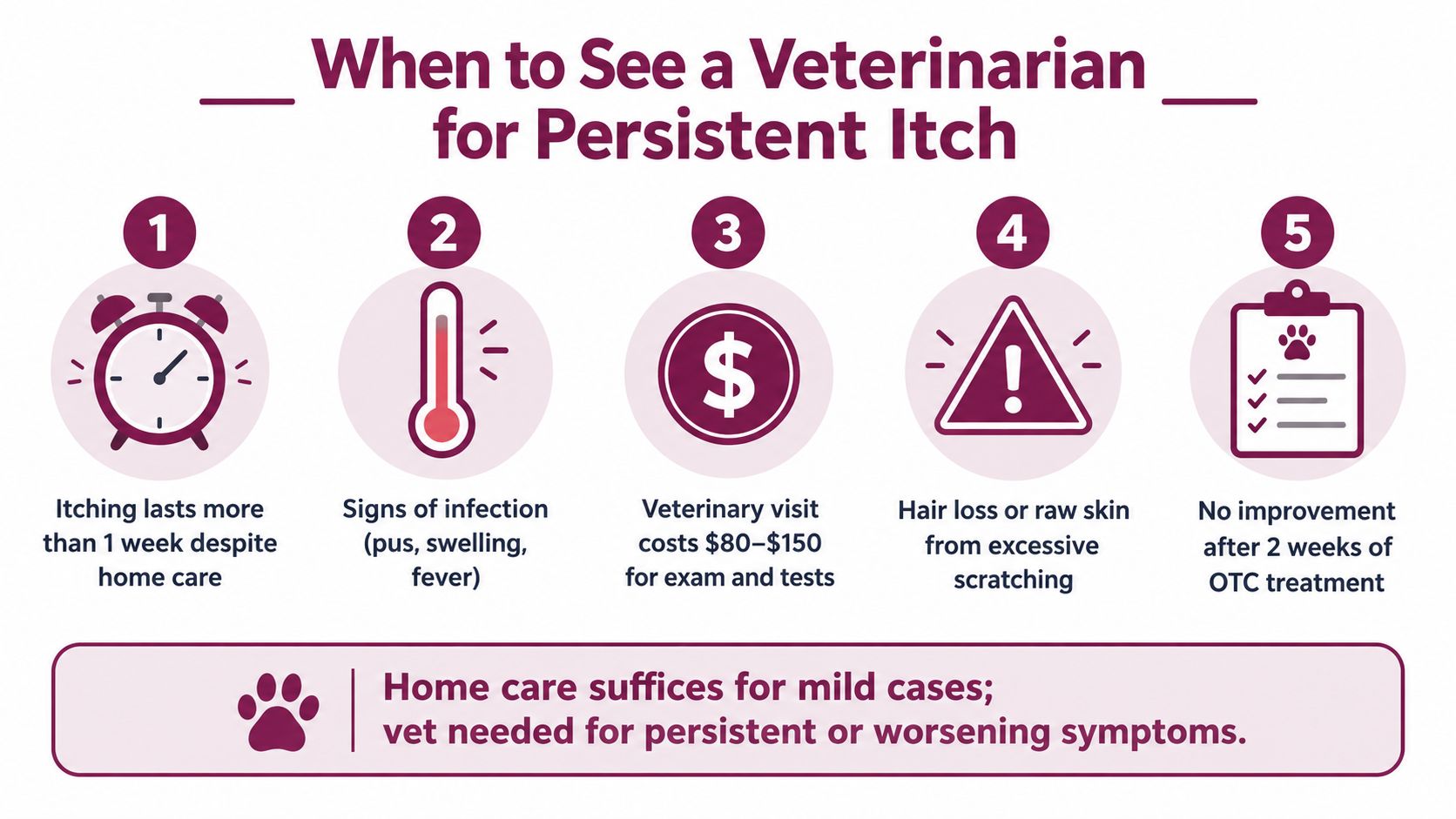
If the itching keeps coming back, gets worse at night, or starts causing hair loss or raw skin, your pet needs a closer look. Persistent pruritus can come from yeast, fleas, allergies, bacterial infection, or another skin disorder, and those problems often look similar from the outside. A veterinarian can check the pattern, the skin surface, and any secondary infection instead of guessing from symptoms alone.
Signs that home care isn't enough
Open sores, swelling, pus, fever, or a strong odor should move the problem out of the home-care category. So should repeated flare-ups after a short burst of improvement, because that pattern often means the skin condition is being only partially controlled. If your pet is constantly scratching one area, the skin can become inflamed enough that even the right product stings.
For owners who want help finding the right type of specialist, PatientNotes veterinary specialties can be a useful starting point for understanding where dermatology or general practice fits in a care plan. That's especially helpful when the symptoms are overlapping and the cause isn't obvious.
| Situation | What it may mean |
|---|---|
| Itching lasts and keeps returning | The trigger is still active |
| Skin is open, swollen, or oozing | Infection or self-trauma may be present |
| Treatment isn't helping | The product may not match the cause |
| Ears are involved | A veterinary exam is often needed |
| Your pet seems painful or unwell | Don't wait for it to settle on its own |
The most useful mindset is simple, mild itch can sometimes be supported at home, but persistent or worsening itch belongs with a veterinarian. For routine wellness and follow-up care, this Bandana Rx article on the importance of routine vet visits reinforces why the exam matters when skin problems keep returning.
Bandana Rx offers prescription and over-the-counter pet medications, including antifungal options and skin-care products that may be relevant when a veterinarian has identified yeast or another cause of itching. If your dog or cat keeps scratching and you need a trusted place to review available pet health products, visit Bandana Rx and talk with your veterinarian about the right next step.