No products
There are 0 items in your cart. There is 1 item in your cart.
Next order for this product:
You will be able to change this date at the next step
You will have products in your subscriptions
For a total price of (instead of ) and a delivery price of

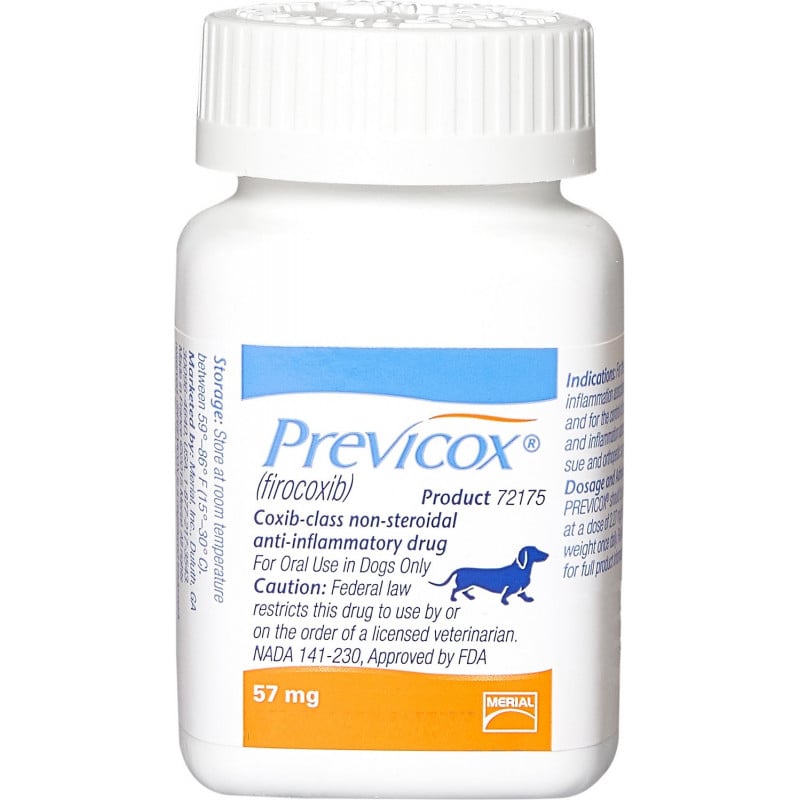
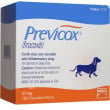
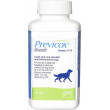
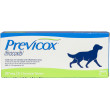
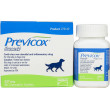
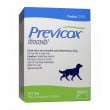
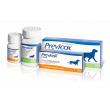


What is Previcox?
Previcox is a Cox-2 non-steroidal anti-inflammatory medication used in dogs for the control of pain and inflammation associated with Osteoarthritis. Previcox requires a prescription from your veterinarian.
For:
Dogs (7 weeks of age or older)
Benefits:
- Easy to administer because it is available as a flavored chewable tablet
- Can be given with or without food
- Very effective and fast acting
Cautions:
Talk to your veterinarian before giving your dog any other prescription or over-the-counter medications. Keep this medication away from children and pets. Do not give Previcox to cats.
Your dog should not be given Previcox if he/she:
- Has had an allergic reaction to firocoxib, the active ingredient in Previcox
- Has had an allergic reaction (such as hives, facial swelling, or red or itchy skin) to aspirin or other NSAIDs
- Is presently taking aspirin, other NSAIDs, or corticosteroids
- Is under 12.5 pounds in body weight
Brand Name
Previcox
Generic Name
Firocoxib (fie-roe-cox¿-ib)
What should I tell or ask my veterinarian before giving Previcox to my dog:
Talk with your veterinarian about:
- The signs of canine arthritis you have observed in your dog, such as limping or stiffness.
- The importance of weight control in the management of arthritis in dogs
- What tests might be done before Previcox is prescribed
- How often your dog may have to be examined by your veterinarian
- The risks and benefits of using Previcox
Tell your veterinarian if your dog has ever had one or more of the following medical problems:
- Any side effects from taking Previcox or other NSAIDs
- Any digestive upset (vomiting and/or diarrhea)
- Any kidney disease
- Any liver disease
- Any allergies your dog had in the past or other medical problem
What happens if I miss giving a dose:
Give the missed dose as soon as possible. However, if it is almost time for the next regularly scheduled dose, skip the missed dose and give the next one as directed. Do not give a double dose of the medication.
Possible side effects of Previcox:
Previcox, like other NSAIDs, may cause some side effects. Serious side effects associated with NSAID therapy in dogs can occur with or without warning. The most common side effects associated with Previcox therapy involve the digestive tract (vomiting and decreased food consumption). Liver and kidney problems have also been reported with the use of NSAIDs. Look for the following side effects that may indicate your dog is having a problem with Previcox or may have another medical problem in addition to arthritis.
- Vomiting
- Change in bowel movements (such as diarrhea or black, tarry or bloody stools)
- Change in behavior (such as decreased or increased activity level, lack of coordination, seizure, or aggression)
- Yellowing of gums, skin, or whites of the eyes (jaundice)
- Change in drinking habits (frequency or amount consumed)
- Change in urination habits (frequency, color, or smell)
- Change in skin (redness, scabs, or scratching)
- Unexpected weight loss
It is important to stop treatment and contact your veterinarian immediately if you think your dog has a medical problem or side effect while taking Previcox tablets.
Can Previcox (firocoxib) be given with other medications?
Previcox should not be given with other NSAIDs (for example, aspirin, carprofen, etodolac, deracoxib, meloxicam, or tepoxalin) or corticosteroids (for example, prednisone, cortisone, dexamethasone, or triamcinolone). Tell your veterinarian about all medications that you have given your dog in the past, and any medications that you are planning to give. This should include other medicines that you can get without a prescription or any dietary supplements. Your veterinarian may want to check that all of your dog’s medicines and supplements can be given together.
Storage:
Store Previcox at room temperature, away from moisture and heat.
Directions:
Previcox is convenient and easy to administer. It comes in a BBQ-flavored chewable tablet that dogs like and can be given with or without food. Previcox is available in two sizes. Your veterinarian will prescribe the correct dosage based on your dog’s weight. Most dogs will take Previcox chewable tablets from your hand, but you can also place the tablet directly into your dog’s mouth. Make sure to always follow your veterinarian’s recommendation precisely and keep plenty of water available for the dog while giving this medication.
Dosage:
| Pet | Weight | Dosage |
|---|---|---|
| Dogs/Puppies: (7 weeks of age and older) | All weights | 2.27mg/lb of dog’s weight once a day for osteoarthritis pain and inflammation |
| Cats: | X | X |
| Horses: | X | X |
Previcox:
| Active Ingredient (per chewable tablet) | Amount |
|---|---|
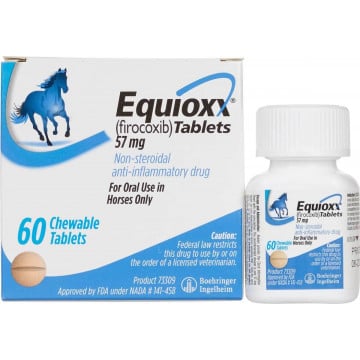
| Firocoxib | 57 mg |
| Active Ingredient (per chewable tablet) | Amount |
|---|---|
| Firocoxib | 227 mg |
- Easy to administer because it is available as a flavored chewable tablet
- Can be given with or without food
- Very effective and fast acting
16 other products in the same category:
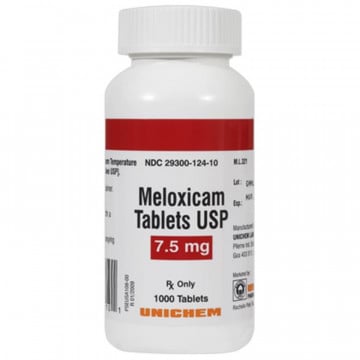
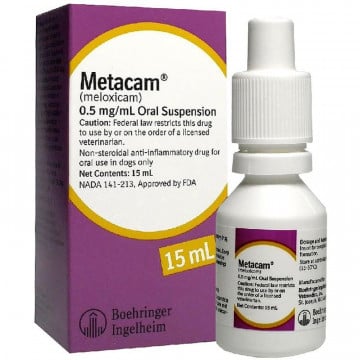
Meloxicam
Meloxicam is a nonsteroidal anti-inflammatory (NSAID) prescription medication used to reduce pain, inflammation, and stiffness as a result of acute and chronic musculoskeletal disorders such as osteoarthritis. Meloxicam requires a prescription from your veterinarian, and is sold per tablet.
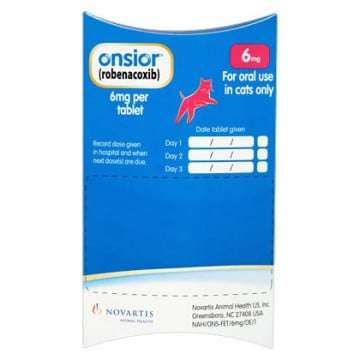
Onsior for Cats
Onsior for Cats is a non-steroidal anti-inflammatory drug (NSAID) that relieves pain and reduces inflammation associated with orthopedic and soft tissue surgery. The small, yeast-flavored tablets are favored by cats and are easy to administer. Onsior is available in a 6mg 3-pack blister packet. Onsior requires a prescription from your veterinarian.
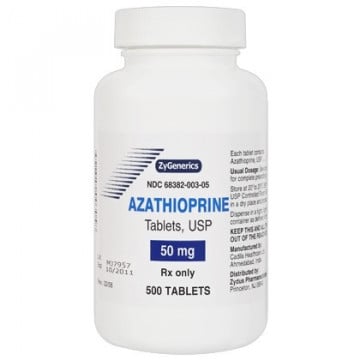
Azathioprine
Azathioprine is a prescription medication used in dogs and cats for the treatment of autoimmune diseases. Azathioprine is not FDA approved for use in veterinary medicine; however, it is a commonly accepted practice for veterinarians to prescribe this medication for dogs and cats. Azathioprine requires a prescription from your veterinarian, and is sold per tablet.
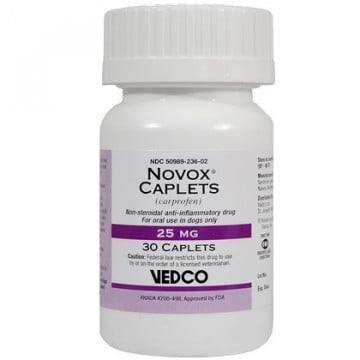
Novox Carprofen - Generic to Rimadyl
Novox is a generic equivalent for Rimadyl (carprofen) caplets. It's a non-steroidal anti-inflammatory (NSAID) used to treat pain and inflammation due to arthritis and other joint diseases, including hip dysplasia. It's also used to reduce fever. Novox requires a prescription from your veterinarian.
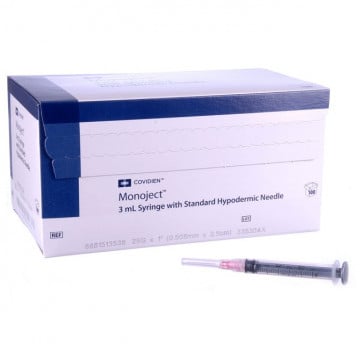
3cc (3ml) Luer-slip syringe 22G x 3/4 in Needle + Syringe combo
The 3cc (3ml) Luer-Slip syringe with 3/4" 22 g Needle is a syringe that works with Adequan, which controls the symptoms of arthritis, or Percorten-V, which controls Addison's Disease. The syringe comes with a needle and allows up to 3 cc (3 ml) of medication for your pet.




Added to Cart