


Your dog finishes a bath and still can't settle. The paws get licked within minutes, the ears smell a little yeasty, and the scratching starts again before the coat is even dry. That frustration is real, and it's exactly why shampoo for dogs with skin allergies has to be treated like skin therapy, not just grooming.
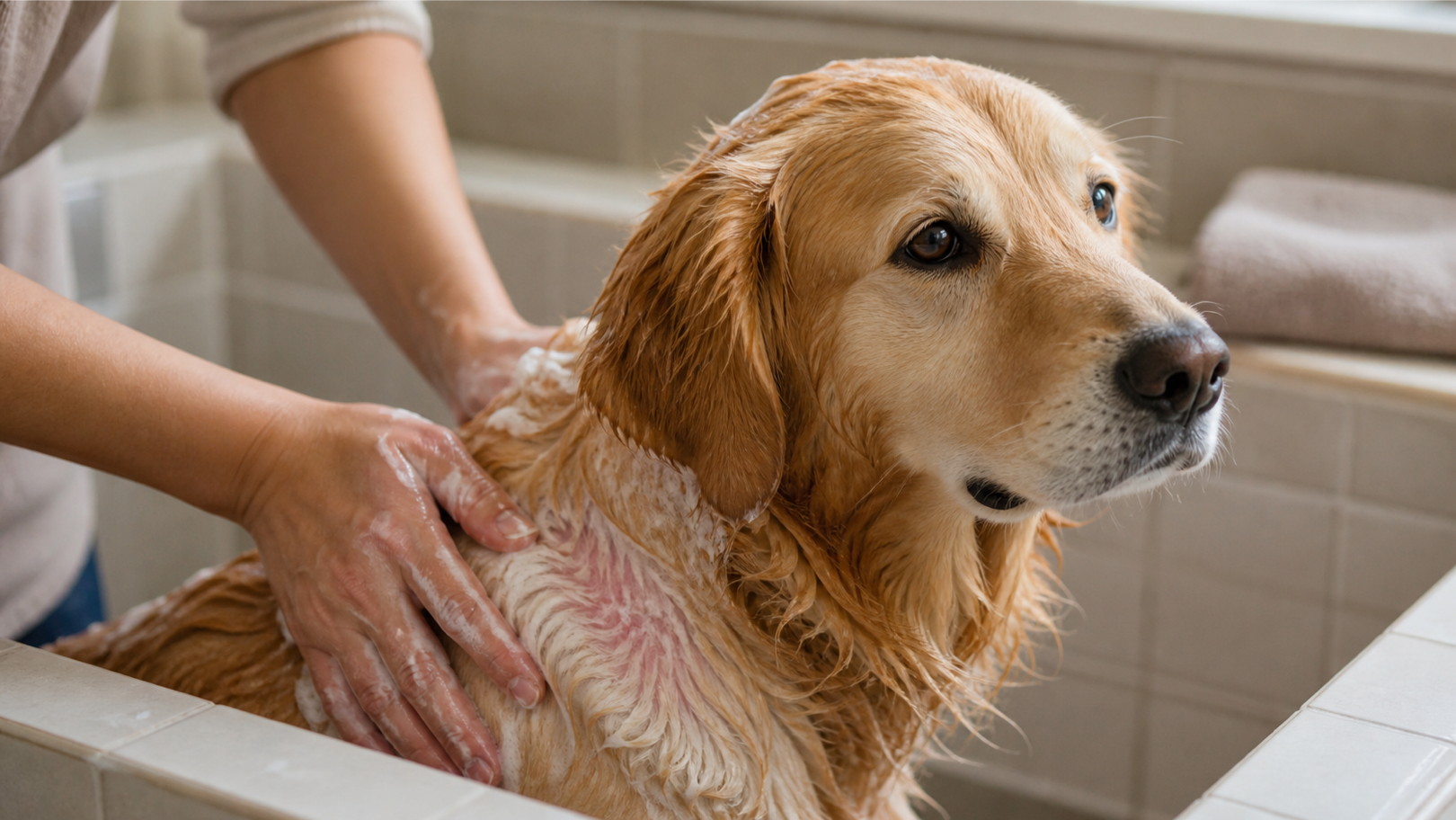
A helpful way to think about it is this. Allergic skin is like a wall with cracks in it, so dust, pollen, yeast, and bacteria can get where they don't belong. The right bath can wash away what's sitting on the surface, calm irritation, and support the barrier, but it won't replace a veterinary diagnosis or long-term allergy care.
If you've already read a general guide like the El Paso guide to allergy shampoos, the next step is narrowing the choice to what your dog's skin needs. For a product-focused overview, you can also look at shampoo options on BandanaRx, especially if your veterinarian has already recommended a medicated or maintenance formula. For now, keep one idea in mind, the best shampoo is the one that matches the skin pattern in front of you, not the most popular label on the shelf.
Table of Contents
- Why Allergic Skin Needs Special Shampoo Care
- How to Match Shampoo Ingredients to Your Dog Symptoms
- Hidden Irritants and How to Choose a Gentle Formula
- Safe Bathing Routine and How Often to Wash
- Beyond the Bath Supportive Care for Allergic Dogs
- Choosing Comfort Over Quick Fixes for Your Dog
Why Allergic Skin Needs Special Shampoo Care
A dog that keeps scratching after a bath is often dealing with more than surface dirt. Allergic skin disease is usually a mix of barrier weakness and immune overreaction, so pollen, dust, and microbes can set off a bigger response than they should. Canine atopic dermatitis is common enough that it shows up regularly in practice, and a review in PMC describes it as a frequent skin problem in dogs.
What the skin barrier is doing
Healthy skin works like a sealed wall. In allergic dogs, that wall has gaps, so moisture escapes and irritants get in more easily. The result is the familiar itch, the paw licking, and the redness that keeps coming back.
Bathing can help because it rinses away surface allergens and microbes before they keep irritating the skin. It can also soothe the coat when the formula fits the dog's condition. Clinical guidance notes that medicated shampoo is often used for dogs with atopic dermatitis, and that bathing plans may shift between flare care and maintenance care depending on how controlled the skin is (PMC review).
A bath can calm the outside of the problem. It cannot remove the allergy itself.
That distinction matters. Owners often hope one good shampoo will fix the whole cycle, but shampoo is an adjunctive therapy, more like rinsing dust off a cracked window than repairing the frame. If the skin is very itchy, targeted itch-relief options may help comfort while the deeper cause is addressed, and embracing calm skincare is a useful mindset when choosing a gentle routine.

Shampoo choice also has to match the skin pattern. A soothing, low-irritation formula can help a dry, reactive coat, while a stronger antimicrobial wash is more useful when yeast or bacteria are part of the flare. Using the wrong type can leave skin drier, more reactive, or still under-treated.
A 2025 dermatology review reported an association between weekly bathing and canine atopic dermatitis in dogs that had not yet been diagnosed, which is a reminder that frequency and formula both matter (ANZCVS review). In a dog already living with allergic skin, regular bathing may still be useful when the shampoo is mild and the plan is matched to the skin's needs.
If your dog needs repeated baths to stay comfortable, the next step is a veterinary exam. Shampoo can support the skin barrier and reduce surface triggers, but it cannot sort out whether the flare is allergic, infectious, or both.
How to Match Shampoo Ingredients to Your Dog Symptoms
A dog's skin can look “allergic” for more than one reason, so the shampoo should match the pattern you are seeing. Dry, itchy, barrier-impaired skin needs one kind of support. Greasy, odorous skin with scaling or secondary infection needs another. Once those pictures are separated, ingredient labels become much easier to interpret.
Soothing formulas for dry, itchy skin
If the coat feels tight, flaky, or inflamed, the goal is comfort and moisture support. Veterinary guidance notes that antipruritic formulas with 1% hydrocortisone, 0.01% fluocinolone, 2% diphenhydramine, 1% pramoxine, or colloidal oatmeal can improve comfort when used frequently (VIN guidance). These ingredients do not fix the allergy itself, but they can calm the itch-scratch cycle and make bathing less irritating.
A useful comparison is lotion versus disinfectant. Soothing shampoos behave more like a rinseable comfort layer. Antimicrobial shampoos work like a targeted cleanup tool when microbes are part of the flare. For dogs whose main problem is dryness and itch, emollient or antipruritic ingredients usually fit better than a stronger cleansing formula.
Antimicrobial formulas for yeast or bacterial overgrowth
If your dog smells yeasty, has greasy skin, or keeps developing redness and scale, yeast or bacterial overgrowth may be adding to the problem. In that situation, 2% miconazole + 2% chlorhexidine shampoo used twice weekly has strong evidence for Malassezia dermatitis, and 2% to 4% chlorhexidine shampoos are widely used for bacterial and yeast overgrowth (WAVD consensus). A veterinary review also discusses ketoconazole as part of treatment plans for yeast-related skin issues, which is why ketoconazole shampoo options at BandanaRx may come up in that context.
A dog can have allergy and infection at the same time. That is why the shampoo has to match the symptom pattern, not just the diagnosis label.
| Symptom Pattern | Shampoo Purpose | Example Ingredients to Discuss With Your Vet |
|---|---|---|
| Dry, itchy, flaky skin | Soothe irritation and support comfort | Colloidal oatmeal, pramoxine, hydrocortisone, phytosphingosine |
| Greasy skin, odor, scale | Reduce yeast or bacterial burden | Chlorhexidine, miconazole, combination antifungal and antiseptic formulas |
| Red, inflamed skin with recurring flare-ups | Balance soothing with microbial control | Veterinary-guided medicated shampoo choices |
| Skin that worsens after bathing | Reassess formula and ingredient tolerance | Fragrance-free, gentler options, then veterinary review |
If your veterinarian suggests an antifungal or antiseptic product, the label matters less than whether the formula fits the reason your dog is uncomfortable.
Hidden Irritants and How to Choose a Gentle Formula
A lot of pet parents focus on what shampoo should include. With allergic dogs, what a shampoo should avoid can matter just as much. Independent evidence shows that common rinse-off pet products can still contain known human allergens such as methylisothiazolinone, methylchloroisothiazolinone, and fragrance allergens, and a 2025 veterinary toxicology analysis specifically re-assessed ingredients used on canines for type IV hypersensitivity risk (PubMed toxicology analysis).
What to look for on the label
A “hypoallergenic” claim doesn't automatically mean low-risk for an allergic dog. Start by scanning for fragrance, dye, and preservative names, especially if your dog has reacted to other topicals in the past. The safest practical choice is often a fragrance-free, minimally preserved formula that still fits the symptom pattern you're trying to manage.
You don't need to memorize every chemical name. You do need to slow down and read the ingredient list instead of relying on the front label. If your dog has previously gotten redder, itchier, or unusually uncomfortable after a bath, stop using that product and rinse thoroughly the next time any shampoo is applied.
How to test a new product safely
A cautious first bath matters. Use a small amount, watch for increased redness or scratching afterward, and don't assume a soothing scent means a soothing formula. Some products smell pleasant because they're loaded with fragrance, which can be a problem for sensitive skin.
Watch for change after the bath, not just during it. If the skin worsens over the next day, the product may be irritating even if it looked gentle on the shelf.
If you're sorting through skin-care products, BandanaRx skin and sensitivities options are a useful place to compare supportive products by purpose rather than by hype. That kind of label-based thinking helps you protect the skin barrier while still removing the allergens sitting on the coat.
Safe Bathing Routine and How Often to Wash
Even the right shampoo can be irritating if it's used badly. The basic routine is simple, but the details matter because allergic skin is already stressed. Merck Veterinary Manual advises pre-wetting, then diluting medicated shampoo, often about 1 part shampoo to 3 or 4 parts water, leaving it on the coat for about 10 minutes when possible, and rinsing thoroughly because residue can irritate the skin (Merck Veterinary Manual).
A calm bathing sequence
Start with a quick brush so mats don't trap shampoo or water against the skin. Use lukewarm water, not hot water, because heat can make already-irritated skin feel worse. Then work the shampoo through the coat gently, paying attention to the skin rather than just the hair.
Here's the practical version pet parents can follow:
- Brush first. Remove loose hair and any debris before water gets involved.
- Pre-wet the coat. Let the water soak through to the skin.
- Dilute when directed. A mixed solution spreads more evenly and is often easier to rinse.
- Massage, don't scrub. Let the lather contact the skin without rough rubbing.
- Rinse very thoroughly and pat dry. Leftover residue is a common reason pets feel worse after bathing.
The frequency question is where many owners get stuck. Clinical guidance notes twice-weekly bathing during acute flares and once-weekly maintenance once the skin is controlled (PMC review). That schedule makes sense when the skin needs active support, but bathing too often with the wrong formula can strip moisture and aggravate the barrier.
If the coat gets cleaner but the skin gets angrier, the formula or the timing is wrong.
After bathing, a pet-safe moisturizer or conditioner can help support hydration if your veterinarian says it fits the plan. Watch the next 24 hours closely. A good bath usually leaves the skin calmer, not more inflamed.
Beyond the Bath Supportive Care for Allergic Dogs
A bath can calm allergic skin, but it rarely solves the whole problem. Veterinary dermatology sources describe medicated shampoo therapy for canine allergic skin disease as an adjunctive treatment, not a stand-alone cure. That matters because shampoo is one part of a larger plan for skin that behaves like a damaged wall, with cracks that let irritants in and moisture out.
The next question is what else helps that wall recover. For many dogs, the answer includes flea control, ear care, and lowering exposure to common environmental allergens such as dust and pollen. Gentle cleaning around the ears can matter when allergy signs show up there, because itchy skin often does not stay in one place.
If your dog still smells yeasty, loses hair, or looks redder after bathing, call your veterinarian. Those changes can signal infection, irritation from the formula, or a flare that needs a different approach. A shampoo should leave the skin easier to settle, not more reactive.
Some dogs also have supportive care built around the bath, not beside it. A veterinarian may suggest an omega-3 supplement as part of a broader skin plan, such as Welactin omega-3 skin and coat liquid supplement for dogs. That kind of support can fit long-term care, but it does not replace finding the main cause of the itch.
Don't keep trying new products every week. Allergic skin often does better with steady care than with constant switching.
That steady approach gives the skin barrier time to recover. Each new product can either help the surface settle or add another layer of irritation, especially when the skin is already inflamed.
Choosing Comfort Over Quick Fixes for Your Dog
The most useful shampoo is the one that matches your dog's skin pattern, respects the barrier, and fits the bigger allergy plan. Soothing formulas help dry, itchy skin feel more comfortable. Antimicrobial formulas help when yeast or bacteria are part of the problem. Either one can backfire if it's too harsh, too fragrant, or used without enough rinse time.
That's why the best path is usually calm and practical, not trendy. Read the label, match the ingredients to the symptoms, and check in with your veterinarian if the itch keeps coming back or the skin looks worse after bathing. If you want to compare vet-approved options, browse the shampoo and skin-care categories at BandanaRx, then bring any prescription questions back to your pet's care team.
Bandana Rx offers veterinary pharmacy options that can help you find shampoo, skin-care products, and other supportive items for itchy dogs with sensitive skin. If your veterinarian has already recommended a specific product or wants a prescription filled, you can visit Bandana Rx to review available options and complete the next step with your pet's comfort in mind.