
Food brought up immediately after eating is often regurgitation, sometimes associated with eating too quickly, while food expelled later with retching and abdominal effort suggests true vomiting from a different cause. Chronic vomiting and/or diarrhea was recorded in approximately 2.0% of adult cats, or 21,142 cats, in one Banfield Pet Hospital dataset, so repeated episodes deserve more than a quick assumption about eating speed.
You're standing beside your cat's bowl, wondering why dinner is suddenly on the floor. The food may look almost exactly as it did before she ate it, or it may be partly digested and mixed with fluid. Those details matter because “throwing up food” describes an outcome, not a diagnosis.
A single mild episode in an otherwise normal cat may pass, but recurring episodes can point to irritation, inflammation, an obstruction, or illness affecting another organ. The first useful step is to observe what happened, rather than assuming every post-meal episode is a hairball.
Table of Contents
- Understanding the Basics of Feline Vomiting
- Vomiting vs Regurgitation - Critical Differences
- Common Causes of Post-Meal Vomiting
- Assessing Severity and Home Care Steps
- When to Contact a Veterinarian Immediately
- Veterinary Diagnostics and Treatment Pathways
- Preventing Future Episodes and Long-Term Care
Understanding the Basics of Feline Vomiting
A worried owner might describe the same scene this way: the cat eats, walks away, and shortly afterward leaves a small pile of recognizable kibble on the floor. Another owner might see the cat drool, retch, tense her abdomen, and bring up partially digested food much later. Both events look unpleasant, but they may involve different parts of the body.
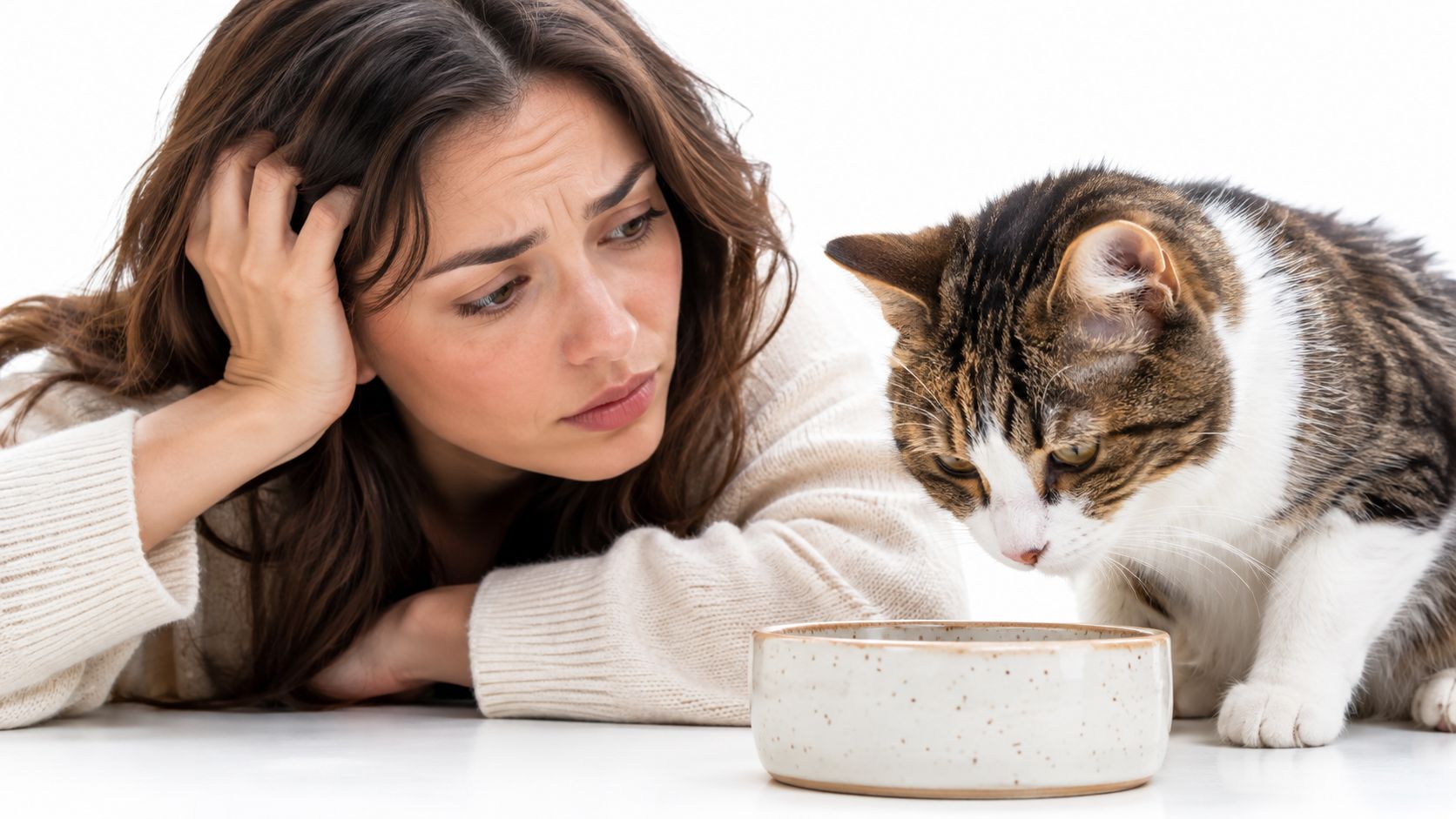
Vomiting is a symptom, much like coughing or sneezing. It tells you that the body is trying to remove something or responding to irritation, but it doesn't identify the underlying problem. Possible triggers range from spoiled food and sudden dietary indiscretion to parasites, inflammatory bowel disease, intestinal obstruction, kidney disease, diabetes, and hyperthyroidism, as described in Cornell University's feline vomiting guidance.
Start with three observations
Before cleaning up, if it's safe to do so, note when the episode happened, how much effort your cat used, and what the material looked like. A quick phone video can be especially helpful because cats often act normal by the time they reach the clinic.
- Timing: Food returning almost immediately may still be in the esophagus. Food brought up later may have reached the stomach.
- Body movement: Heaving, retching, salivation, or repeated swallowing suggests an active process.
- Appearance: Recognizable food, a tubular shape, liquid, bile, blood, or a foreign object each gives the veterinarian a different clue.
The stomach is not a simple storage bag. It churns food, mixes it with digestive fluid, and moves it onward. If food returns before that process begins, the problem may be above the stomach. If forceful contractions bring it back after digestion has started, the stomach or intestines may be involved.
Repeated food vomiting shouldn't be dismissed as ordinary hairballs. Obstruction and metabolic disease can become life-threatening, even when the first sign looks like a routine upset stomach.
Vomiting vs Regurgitation - Critical Differences
The most important distinction is whether your cat is vomiting or regurgitating. Vomiting is an active reflex. A cat may appear nauseated, salivate, retch, and contract her abdominal muscles before food or fluid comes up.
Regurgitation is more like an opened passageway releasing its contents. It happens passively, often soon after eating, with little or no abdominal effort. The material is usually undigested and may form a narrow or cylindrical shape that reflects the esophagus.
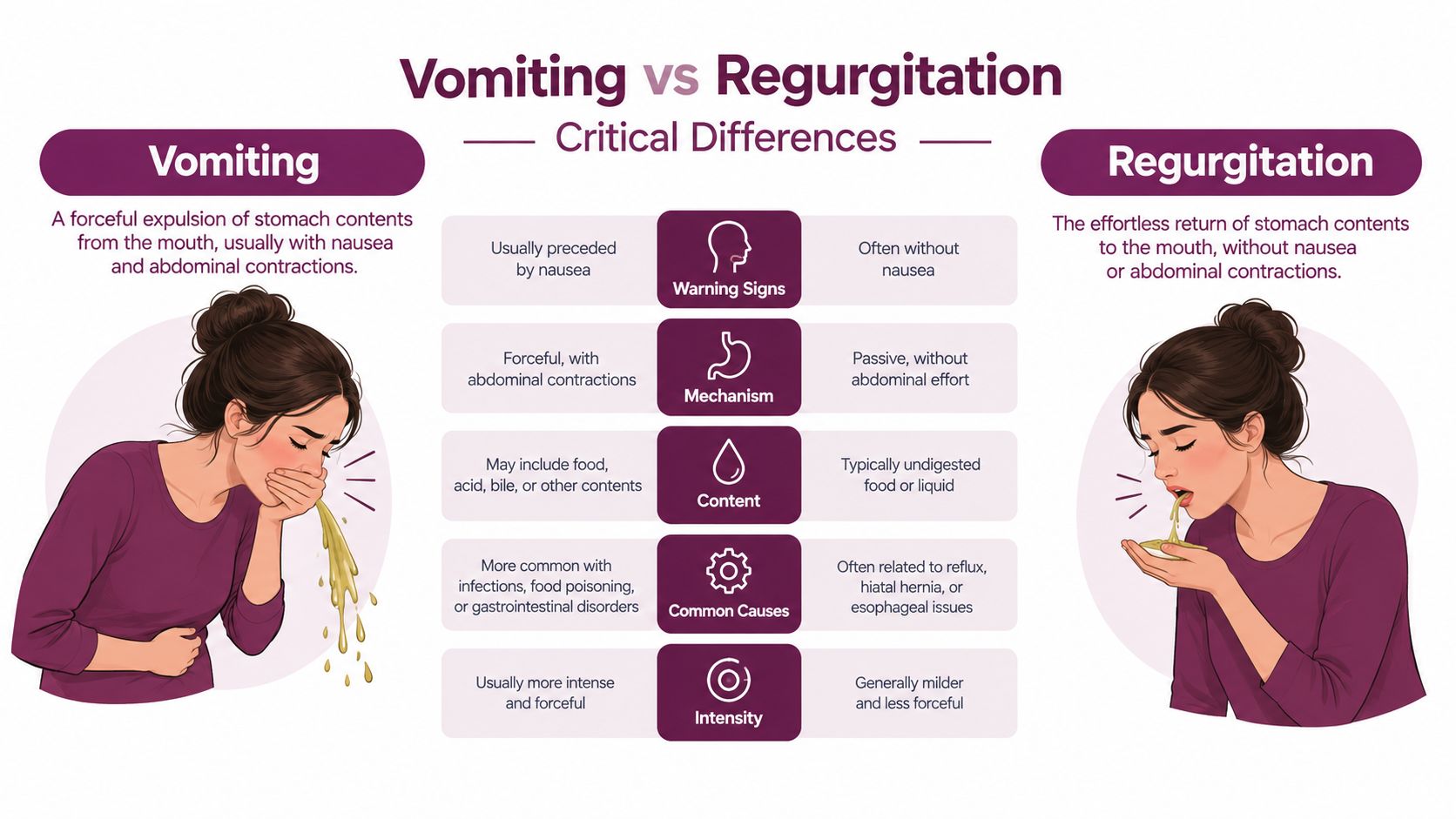
| What you observe | More consistent with vomiting | More consistent with regurgitation |
|---|---|---|
| Effort | Retching and abdominal contractions | Little or no heaving |
| Timing | May occur after digestion has begun | Often shortly after eating |
| Food | Partially digested food or fluid may appear | Usually recognizable, undigested food |
| Likely location | Stomach or intestines | Esophagus |
| Possible concern | Gastrointestinal or systemic disease | Swallowing or esophageal disease |
Why location changes the next step
If the esophagus is the problem, possible causes include inflammation, a foreign object, narrowing, impaired movement, or pressure from a nearby structure. In a retrospective report involving 33 cats with esophageal disease, researchers emphasized that owners and clinicians can mistake regurgitation for vomiting, making a careful description of the event important. Veterinary evaluation may involve radiographs, contrast studies, fluoroscopy, or endoscopy when an esophageal disorder is suspected. The clinical distinction is also explained in this veterinary review of regurgitation and esophageal disease.
Coughing, difficulty swallowing, excessive drooling, gagging, repeated swallowing attempts, refusal to eat, or breathing difficulty make repeated regurgitation more concerning. Don't repeatedly offer food or try to make your cat vomit if she may have swallowed string, medication, plant material, or another object.
For broader context about how gastrointestinal episodes can differ across pets, you can also read what white foam may mean when a dog throws up. The same visual clue can have different meanings depending on the animal and the physical action that preceded it.
Common Causes of Post-Meal Vomiting
Eating too quickly can overwhelm a cat's normal eating pattern. A cat that gulps food and brings up recognizable pieces almost immediately may have regurgitated rather than vomited. Overeating, poor-quality or indigestible food, chemical exposure, and swallowed objects can also trigger gastrointestinal upset, according to the Merck Veterinary Manual's overview of digestive disorders in cats.
The practical question is whether the episode is isolated or keeps returning.
Common possibilities
- Meal-related behavior: Fast eating or overeating can explain an isolated, immediate episode in a cat who remains bright, comfortable, and interested in water.
- Dietary reaction: Food intolerance, food allergy, spoiled food, or a sudden change can irritate the digestive tract. A controlled diet trial may be more useful than repeatedly switching foods without veterinary guidance.
- Parasites: Internal parasites can cause gastrointestinal signs. A veterinarian may recommend fecal testing and a species-appropriate deworming plan, rather than choosing a product based only on the appearance of vomit. Information about prescription cat dewormer options should complement, not replace, veterinary advice.
- Hair and grooming: Cats swallow hair while grooming, but frequent vomiting with little actual hair should not automatically be labeled a hairball problem.
- Foreign material: String, yarn, rubber bands, paper clips, and other objects can irritate or obstruct the digestive tract. Never pull on visible string, because doing so could worsen an internal injury.
- Inflammation or infection: Gastroenteritis, inflammatory bowel disease, chronic pancreatitis, and other intestinal disorders may cause intermittent or persistent episodes.
- Disease beyond the gut: Kidney disease, diabetes, hyperthyroidism, and other systemic disorders can produce vomiting even when the stomach itself isn't the primary problem.
Chronic vomiting is relatively uncommon in the general cat population, but it matters when it repeats. In the Banfield dataset described earlier, diagnoses recorded alongside chronic signs included nonspecific vomiting, gastritis, enteritis, and gastroenteritis. Veterinary literature also identifies food sensitivity as a possible contributor. In one report of 55 cats with chronic idiopathic gastrointestinal signs lasting more than 2 weeks, 29% were diagnosed with food sensitivity through elimination-and-challenge testing, as summarized by Royal Canin Academy's review of chronic gastrointestinal signs in cats.
Don't let “she eats too fast” become a blanket explanation for a pattern that is becoming more frequent.
Assessing Severity and Home Care Steps
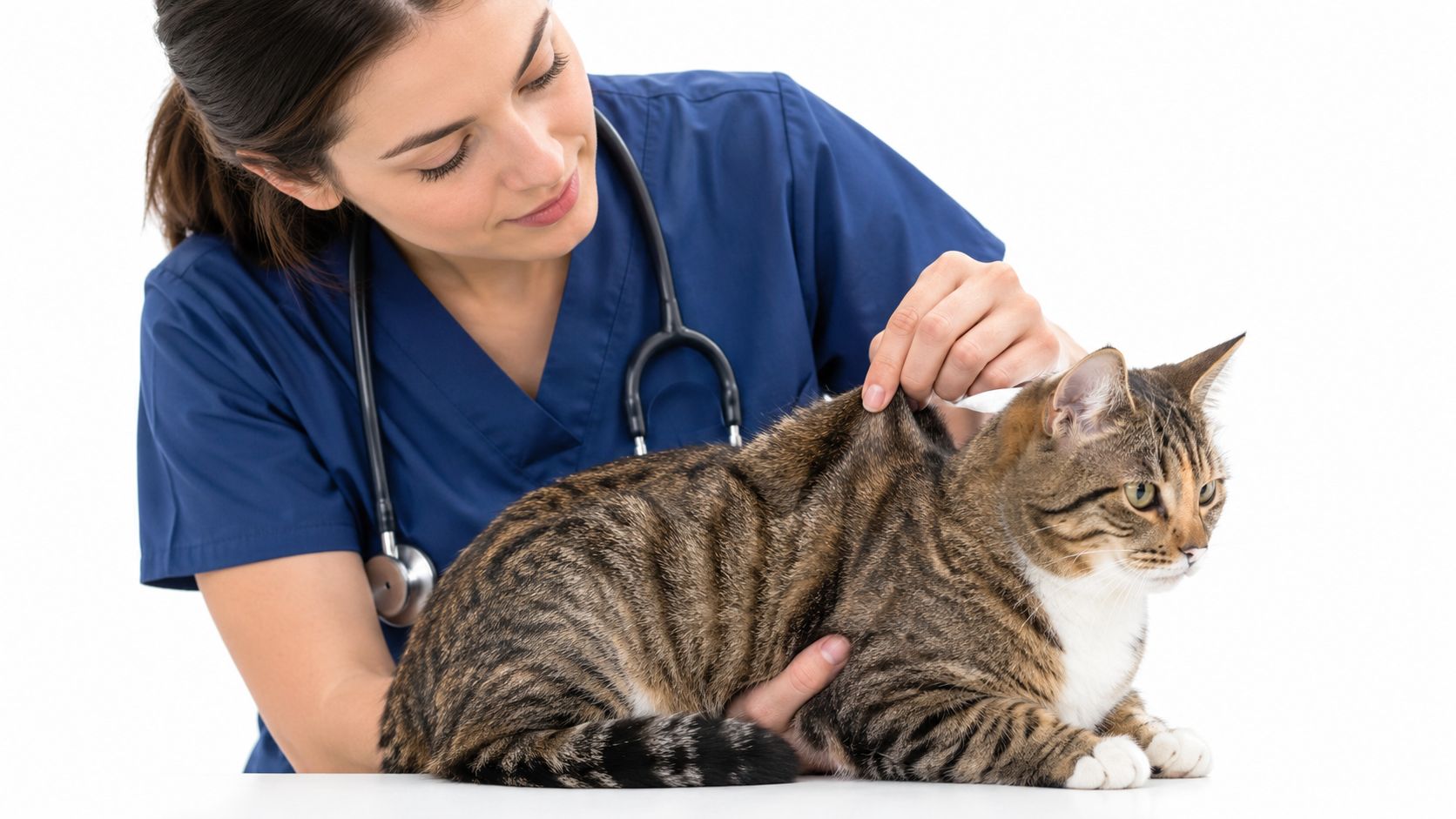
A calm comparison can help. An otherwise normal cat with one mild episode is different from a cat who vomits repeatedly, cannot keep water down, or seems painful. Your observations help determine whether careful monitoring is reasonable or whether the situation needs prompt veterinary attention.
For one mild episode
If your cat is alert and otherwise acting normally, keep the environment quiet and provide access to fresh water. Don't force another meal immediately, and don't offer a large replacement meal because the first one came back up. Contact your veterinarian for advice about when and how to reintroduce food, especially if your cat has another health condition.
Check the material without touching it directly. Look for blood, unusual discoloration, or pieces of string, plastic, plant material, or medication packaging. Take a photograph or save a small sample if your veterinarian requests it.
Compare the cat, not only the mess
| Reassuring pattern | Concerning pattern |
|---|---|
| One isolated episode | Repeated or recurring episodes |
| Normal alertness | Lethargy, weakness, or collapse |
| Can keep water down | Water comes back up |
| Comfortable abdomen | Pain, swelling, or repeated tense posture |
| No suspicious material | Blood, string, toxin, or foreign object |
Don't give human medication or attempt to induce vomiting unless a veterinarian specifically directs you. A digestive supplement, such as Proviable-Dc Capsules, may be relevant in some veterinary care plans, but it isn't a universal answer to unexplained vomiting and shouldn't delay an examination.
When to Contact a Veterinarian Immediately
Prompt veterinary assessment is appropriate when vomiting repeats, your cat can't keep water down, or her behavior changes. Lethargy, abdominal pain, blood, weight loss, and dehydration are not signs to monitor casually.
Suspected toxin or foreign-object ingestion raises the urgency further. Cornell lists poisonous plants, human medications, antifreeze, string, yarn, and objects such as rubber bands or paper clips among potential triggers. A cat may initially look comfortable after swallowing something dangerous, so waiting for severe signs can create additional risk.
Seek immediate veterinary help if you observe:
- Repeated vomiting: Episodes continue rather than resolving.
- Inability to hydrate: Your cat repeatedly brings up water or refuses it.
- Pain or weakness: She hides, seems unusually tired, reacts painfully to handling, or has a tense abdomen.
- Blood or abnormal material: Vomit contains blood or a suspected foreign object.
- Possible poisoning: You believe she accessed medication, antifreeze, a toxic plant, or a household chemical.
- Swallowing difficulty: Drooling, gagging, repeated swallowing, refusal to eat, or breathing difficulty accompanies regurgitation.
A veterinarian may also want to see a cat with intermittent episodes that keep returning, even if she seems normal between them. Recurrent symptoms can reflect inflammatory gastrointestinal disease, food sensitivity, parasites, kidney disease, hyperthyroidism, pancreatitis, or an obstruction. The absence of dramatic distress doesn't prove that the cause is harmless.
Veterinary Diagnostics and Treatment Pathways
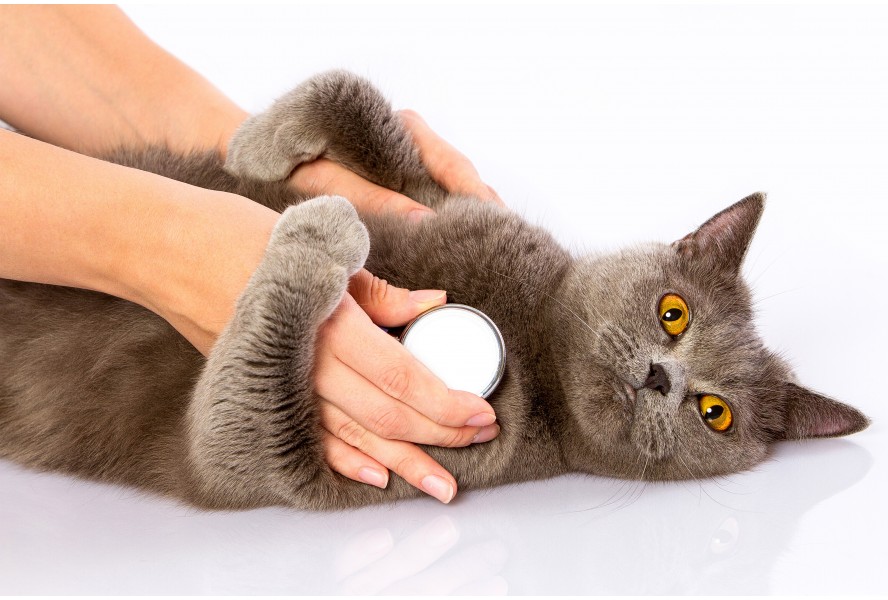
A recurring problem deserves a diagnostic plan because the visible food doesn't identify the disease. Your veterinarian will first ask about timing, abdominal effort, diet, access to objects or toxins, appetite, bowel movements, weight, and other symptoms. A video can help distinguish a forceful vomit from passive regurgitation when the event doesn't happen in the clinic.
The examination may lead to fecal testing, bloodwork, radiographs, ultrasound, or other imaging. These tools answer different questions. Fecal testing can support investigation of parasites, bloodwork can reveal changes associated with systemic illness, and imaging can help identify inflammation, an obstruction, or an abnormal structure.
Treatment follows the cause
A cat with a meal-related episode may need feeding-management changes and observation. A cat with food sensitivity may need a controlled elimination-and-challenge diet trial. Parasites, kidney disease, hyperthyroidism, pancreatitis, inflammatory bowel disease, and esophageal disorders require different approaches.
Medication choices also depend on the diagnosis. A veterinarian may prescribe an anti-nausea treatment when appropriate, but prescription medicines aren't interchangeable, and you shouldn't change a dose, stop a drug, or substitute another product without veterinary direction. Cerenia Solution is one prescription product owners may encounter in discussions of veterinary nausea care, but its suitability, directions, and authorization must come from the prescribing veterinarian.
An obstruction may require more than supportive care, while esophageal disease may call for targeted imaging or endoscopy. That is why empirically rotating foods or using leftover medication can obscure the pattern and postpone the treatment your cat needs.
Practical rule: Repeated vomiting is a reason to investigate the cause, not simply a reason to keep changing products at home.
The goal isn't only to stop the next episode. It's to protect hydration, nutrition, and the health of the organ system responsible.
Preventing Future Episodes and Long-Term Care
After a veterinarian has ruled out urgent disease, prevention can focus on the pattern you observed. If your cat gulps meals, a slow-feeder bowl, smaller portions offered in a controlled way, or spreading food across an appropriate feeding setup may reduce rapid intake. Ask your veterinarian how to adjust meals without reducing the nutrition your cat needs.
Regular grooming can reduce swallowed hair, especially for cats with longer coats. Keep string, yarn, rubber bands, medications, plants, and small household objects out of reach. Maintain a consistent diet, and discuss any food transition with your veterinary team rather than making abrupt changes.
A simple symptom journal can turn a confusing problem into useful information. Record the meal, timing, body movements, appearance of the material, appetite, water intake, stool, energy, and any possible access to unusual substances. If cleaning the area becomes a recurring challenge, Top Cleaners pet tips offers practical household guidance for living with pets while you focus on the health question.
One cat may stop regurgitating after her eating pattern changes. Another may need a diet trial or treatment for an underlying disorder. Digestive supplements, including products discussed in this guide to digestive enzymes for cats, should be considered as part of a veterinary plan rather than as a substitute for finding out why food is coming back up.
Your cat can't explain whether she felt nauseated or whether food returned from her esophagus. You can provide the next best thing by recording the event, recognizing warning signs, and contacting your veterinarian when the pattern is repeated or concerning.
Bandana Rx provides prescription and over-the-counter pet medications, preventive products, and nutritional supplements for dogs and cats, with prescription orders processed after veterinary authorization. Visit Bandana Rx to review relevant pet-care options and coordinate medication access with your veterinarian.