


You've just left the veterinary clinic with a bottle labeled ursodiol in your hand. Your dog may seem mostly normal, yet the words “liver disease,” “bile,” or “gallbladder” can make an ordinary prescription feel much more serious. By the time you reach the kitchen counter, you're probably wondering what the medication does, whether it's safe, and how you'll know it's helping.
Ursodiol for dogs is commonly used to support bile flow and manage selected liver and gallbladder disorders. It's a prescription medication, and the right dose depends on your dog's diagnosis, size, other medicines, and test results. This guide explains what a veterinary pharmacist would typically discuss during a medication consultation, but it doesn't replace the veterinarian who examined your dog. For broader guidance on why follow-up care matters, see the importance of routine vet visits in the age of online pharmacies.
Table of Contents
- A Prescription That Raises a Lot of Questions
- What Ursodiol Actually Is and How It Works
- Why Vets Reach for Ursodiol in Liver and Gallbladder Conditions
- Dosing, Giving It With Food, and What the Numbers Mean
- Safety, Side Effects, and When Ursodiol Should Be Avoided
- How Vets Monitor Progress and When to Reassess
- Combination Therapy and Getting the Prescription Filled
- Your Role and the Questions Worth Asking Your Vet
A Prescription That Raises a Lot of Questions
Your veterinarian may prescribe ursodiol after bloodwork shows a pattern suggesting poor bile flow, or after an ultrasound reveals gallbladder changes. Sometimes the diagnosis is chronic hepatitis. Sometimes it's gallbladder sludge, a mucocele, or another hepatobiliary problem. The medication label may be clear, but the condition behind it can still feel unfamiliar.
A useful first distinction is that ursodiol supports a particular part of the biliary system. It isn't a general cure for every cause of high liver enzymes, and it doesn't remove the need to identify what's affecting your dog. The same liver values can occur with different diseases, so your veterinarian may combine chemistry testing, bile-acid testing, imaging, and clinical observations before deciding whether ursodiol fits.
What owners usually want to know first
Most questions fall into a practical group:
- What does it do? It's a hydrophilic bile acid that can improve bile flow and reduce the irritation caused by more damaging bile acids.
- How should it be given? Merck Veterinary Manual guidance lists administration by mouth with food, using a veterinary dose selected for the individual dog.
- Is it safe? It has a long safety history in dogs, but safety depends on the biliary system being suitable for treatment.
- How will progress be checked? Your veterinarian may follow liver-related bloodwork, bilirubin, bile acids, symptoms, and ultrasound findings when gallbladder disease is involved.
A helpful mindset: The prescription answers what your veterinarian wants your dog to receive today. The monitoring plan answers whether that treatment still makes sense later.
You don't need to become an expert in liver medicine to use ursodiol responsibly. You do need to know when to give it, what changes to report, and why a dog with a blockage or another urgent gallbladder problem may need a different plan.
What Ursodiol Actually Is and How It Works
Ursodiol, also called ursodeoxycholic acid or UDCA, is a hydrophilic bile acid. Dogs naturally use bile to help digest fats, but bile also has to move from the liver through ducts and, in many cases, the gallbladder and into the intestine. When bile becomes stagnant or contains a larger proportion of harsher, hydrophobic bile acids, the biliary system can become more difficult for the liver and gallbladder to manage.
Think of bile as the body's dish soap for dietary fat. In this analogy, ursodiol makes that soap less harsh and easier to move through the plumbing. It can increase bile flow, reduce the detergent-like injury caused by more hydrophobic bile acids, and influence cholesterol handling in the liver and intestine. Merck Veterinary Manual describes its canine use in cholestatic hepatobiliary disease and lists a dose of 10–15 mg/kg/day by mouth, given once daily or divided every 12 hours, with food to improve bioavailability. Merck's pharmacology guidance provides the veterinary context for these uses and dosing principles.
Ursodiol is also used in human medicine for certain gallstone and bile-related conditions. In dogs, however, it's generally an extra-label medication, meaning a veterinarian prescribes a human-approved product for an animal use that isn't covered by an FDA veterinary label. The FDA labeling also makes clear that clinical veterinary dosing is far below experimental toxicology exposures, but that distinction doesn't turn a general dose range into an instruction for your dog.

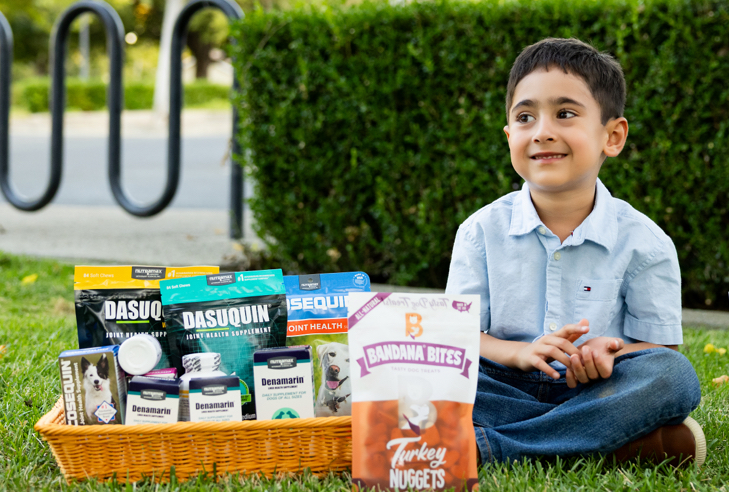
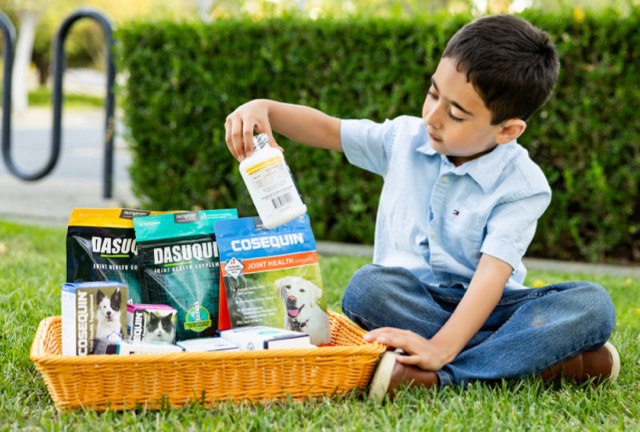
For owners looking for broader nutritional support categories, Bandana Rx provides a liver support selection, but supplements and prescription bile-acid therapy serve different purposes. Ask your veterinarian whether a supplement belongs in your dog's plan rather than assuming that every liver-support product can be combined.
Why Vets Reach for Ursodiol in Liver and Gallbladder Conditions
Ursodiol makes the most sense when a veterinarian believes that bile flow, bile composition, or bile-related inflammation is contributing to the problem. The diagnosis matters more than the medication name. A dog with high liver enzymes alone doesn't automatically need ursodiol, because high enzymes can reflect several different processes.
| Condition | Typical role of ursodiol |
|---|---|
| Chronic hepatitis with cholestasis | Adjunctive hepatoprotective and choleretic support when bile flow is part of the disease picture |
| Gallbladder mucocele or sludge | May support bile movement in selected cases, while imaging and surgical assessment determine the larger plan |
| Copper-associated liver disease | Supportive treatment alongside the veterinarian's copper-management strategy |
| Cholangiohepatitis or related inflammatory biliary disease | May help reduce bile stasis and irritation when the ducts remain adequately open |
| Selected drug-induced cholestasis | Considered only after the prescribing veterinarian evaluates the suspected medication reaction and biliary status |
| Complete biliary obstruction or gallbladder rupture | Generally not an appropriate situation for routine bile-flow stimulation and requires urgent veterinary assessment |
Chronic liver inflammation
Dogs with chronic hepatitis or cholangiohepatitis may receive ursodiol as a choleretic and hepatoprotectant, particularly when testing suggests cholestasis. Merck Veterinary Manual lists use in chronic active hepatitis and related hepatobiliary disorders. Ursodiol is usually an adjunct, not the entire treatment plan, because the underlying cause may also require dietary management, anti-inflammatory treatment, copper management, infection control, or another targeted approach.
Gallbladder disease
Gallbladder sludge or a mucocele can change the way bile moves and may create a situation where medical management is considered. Ursodiol may be part of that plan in selected dogs, but it shouldn't be treated as a substitute for ultrasound follow-up or a surgical discussion when the gallbladder appears unstable.
When the plumbing is closed
If complete obstruction is suspected, pushing for more bile flow may increase pressure behind the blockage rather than solve it. A ruptured gallbladder is also an emergency scenario, not a routine medication-management problem. This is why ultrasound findings, bilirubin, clinical signs, and the veterinarian's assessment must guide treatment.
Dosing, Giving It With Food, and What the Numbers Mean
The commonly cited canine guidance is 10–15 mg/kg/day by mouth, given once daily or divided every 12 hours, with food. That range comes from Merck Veterinary Manual guidance, but it isn't a universal prescription. Your veterinarian may choose a particular amount, schedule, formulation, or duration based on your dog's condition.
The safest way to translate the prescription is to follow the label exactly. If the label says to give a specific tablet portion or liquid volume at a particular interval, that instruction takes priority over a general online dose range. Don't calculate a new amount from your dog's current weight without speaking with the prescribing veterinarian, especially if your dog has lost muscle, has a complicated liver disorder, or takes other medications.
Make the routine predictable
Give ursodiol with a meal or the food schedule your veterinarian specified. Merck recommends administration with food to improve bioavailability, and a consistent routine makes missed or late doses less likely. If your dog refuses the meal, vomits shortly after receiving the medication, or can't keep it down, ask the clinic what to do rather than automatically repeating the dose.
Small dogs can be especially sensitive to measuring errors because a minor volume difference may represent a meaningful change in the prescribed amount. Liquid formulations can help some dogs, but the concentration and measuring device matter. Use the syringe or measuring method supplied by the pharmacy, and don't use a household spoon for a small liquid dose.
Missed dose rule: Don't double the next dose unless your veterinarian specifically tells you to. Call the clinic or pharmacy if you're unsure how to handle a missed or vomited dose.
For more practical help interpreting medication directions, review how to read pet medication labels, dosage warnings, and storage instructions. Keep the bottle in its original container, follow its storage instructions, and bring it to appointments when medication reconciliation is needed.
Safety, Side Effects, and When Ursodiol Should Be Avoided
A long safety history doesn't mean ursodiol is appropriate for every dog. The central safety question is often whether bile can move through the biliary system. If complete obstruction is suspected, bile-flow stimulation may be harmful rather than helpful. Gallbladder rupture, severe gallbladder inflammation, pancreatitis associated with biliary disease, or another rapidly changing abdominal condition should prompt veterinary reassessment before ursodiol is continued or added.
The FDA labeling for ursodiol reports that single oral doses as high as 10 g/kg were not lethal in dogs, with salivation and vomiting identified as the main acute toxicity signs in the cited experimental data. That information helps explain the drug's wide recorded experimental safety margin, but it doesn't justify giving extra medication at home. The same labeling describes ursodiol as a human-approved product used extra-label in animals, so veterinary supervision remains important. The FDA ursodiol label provides the source toxicology context.
Common problems versus urgent concerns
Some dogs may develop soft stool, mild diarrhea, or a temporary decrease in appetite. These effects should still be reported if they persist, worsen, or occur alongside other illness. Repeated vomiting, marked abdominal pain, yellowing of the eyes or gums, collapse, severe lethargy, or a rapidly worsening appetite problem warrants prompt veterinary contact.
Ursodiol may also be unsuitable for certain gallstones. Its effect is associated with cholesterol-containing stones, not every type of stone, and calcified or pigment stones may not respond in the same way. Imaging and the veterinarian's interpretation determine whether medical dissolution is even a realistic goal.
Absorption can be affected by products such as antacids or bile-acid binders, and some antibiotics may require medication-timing review. Give your veterinarian and pharmacist a complete list of prescriptions, supplements, and nonprescription products before combining them.

Because pancreatitis can overlap with biliary disease and may change the urgency of care, review your veterinarian's instructions and use this guide to diagnosing and managing pancreatitis in dogs as general educational background, not as a home diagnostic tool.
How Vets Monitor Progress and When to Reassess
Monitoring usually begins with a baseline picture. Depending on the suspected disease, that may include liver enzymes, bilirubin, bile acids, cholesterol, triglycerides, a complete blood count, urinalysis, and abdominal imaging. Your veterinarian chooses the tests that fit the clinical question rather than ordering every possible test for every dog.
A follow-up blood panel can show whether the biochemical pattern is moving in a better direction, but laboratory improvement isn't the only measure of success. Appetite, energy, vomiting, stool changes, jaundice, and abdominal comfort can add important information. A dog that eats better but still has concerning ultrasound findings may need a different conversation than a dog whose symptoms and imaging both improve.
Why bile-acid results need context
A controlled study in healthy dogs found that fasting serum bile acids increased from 2.26 μmol/L at baseline to 3.81 μmol/L after six to eight weeks, an increase of about 68.6%, after oral ursodeoxycholic acid treatment. The same study reported follow-up fasting values above the reference interval in two dogs, with values of 10 and 11.7 μmol/L, and a postprandial value of 20.1 μmol/L in one dog. All normalized 72 hours after the medication was stopped. The study handout also reported no meaningful change in liver enzymes, bilirubin, cholesterol, or triglycerides during that period.
That finding matters because ursodiol can influence bile-acid testing even when routine chemistry values don't change. Your veterinarian may interpret a bile-acid result in light of treatment timing rather than treating a single number as proof of improvement or failure.
Reassessment is a decision point
A fuller reassessment is commonly considered after about three to four months, rather than continuing indefinitely by default. If liver values, symptoms, or ultrasound findings improve slowly, the next step may involve more time, an added therapy, a revised diagnosis, or a different treatment strategy.
Combination Therapy and Getting the Prescription Filled
Ursodiol is often one part of a broader hepatobiliary plan. A veterinarian may consider SAMe, vitamin E, milk thistle, or omega-3 fatty acids when those products fit the dog's condition, diet, and overall medication list. These options don't all work through the same pathway, and supplements generally shouldn't be treated as standalone replacements for diagnosis or prescription treatment.
| Adjunct | Primary role | Key caution |
|---|---|---|
| SAMe | Antioxidant and liver-support component in some treatment plans | Confirm the product and active ingredients before combining products |
| Vitamin E | Nutritional antioxidant support when appropriate | The veterinarian should determine whether supplementation fits the diet and diagnosis |
| Milk thistle | Herbal liver-support ingredient used in some products | Product quality, dose, and interactions need veterinary review |
| Omega-3 fatty acids | Nutritional support that may be considered for inflammatory conditions | The total dietary and supplement plan should be reviewed together |
Combination treatment deserves a specific conversation for gallbladder mucoceles. The evidence summarized in the provided veterinary review indicates that a combination of UDCA, SAMe, and silymarin produced the most notable biochemical and imaging improvements in dogs with subclinical gallbladder mucoceles, while UDCA alone showed more modest benefit in that setting. This doesn't mean every dog should receive all three ingredients. It means a limited response to ursodiol alone is a reason to ask whether the diagnosis and treatment plan need review.
Prescription logistics
A licensed veterinary or compounding pharmacy can fill ursodiol after veterinary authorization. Depending on the prescription, dogs may receive a commercially manufactured product or a compounded formulation designed around a veterinarian's directions, such as a liquid for a dog that won't swallow tablets. The available strength, flavor, supply size, and refill timing must come from the actual prescription and pharmacy, not an online assumption.
Bandana Rx lists prescription pet medications and liver-support products, including Denamarin tablets. If your dog's prescription needs regular refills, ask whether scheduled delivery or an AutoShip option is available for the specific product, and coordinate refills with recheck appointments so treatment changes don't leave you with an unsuitable supply.
Your Role and the Questions Worth Asking Your Vet
Ursodiol works best as part of a shared treatment process. Your veterinarian interprets the disease, selects the prescription, and decides when testing should be repeated. You provide the daily observations that a short appointment can't capture.
Give the medication on the prescribed schedule, with food if directed, and record unusual changes. Pay attention to appetite, energy, vomiting, stool color and consistency, abdominal comfort, and any yellow tint to the eyes or gums. A simple notes app can help you record dates, doses, symptoms, and questions without relying on memory.
Bring focused questions to the appointment
- Diagnosis: What specific liver, bile-duct, or gallbladder problem are we treating?
- Safety: Is there any concern about obstruction, pancreatitis, cholecystitis, gallbladder instability, or a stone type that makes ursodiol unsuitable?
- Monitoring: Which blood tests or ultrasound findings will show whether the plan is working?
- Timing: When should we reassess, and what would make you change the treatment?
- Daily use: What should I do if my dog misses a dose, vomits, or refuses food?
- Combination therapy: Would SAMe, silymarin, vitamin E, omega-3s, or another adjunct be appropriate, or would it duplicate something already prescribed?
- Urgency: Which symptoms should trigger a same-day call?
The medication is a tool, not a promise of a cure. Outcomes depend on the underlying disease, whether bile can flow safely, the response shown by testing and symptoms, and consistent communication between you and the veterinary team.

If your veterinarian has prescribed ursodiol, Bandana Rx can help with prescription coordination and access to pet medications and related liver-support products. Visit Bandana Rx to review available options, confirm prescription requirements, and arrange refills that fit your dog's veterinarian-directed care.