




You notice your older dog's coat thinning, energy fading, and weight changing, or your cat starts racing through the house at night while losing weight despite eating eagerly. The question usually comes quickly: is this just aging, or is something treatable happening?
Thyroid hormone therapy addresses a diagnosed thyroid imbalance. For a dog whose thyroid produces too little hormone, treatment replaces the missing hormone. For a cat whose thyroid produces too much, treatment reduces hormone production. Those are different problems requiring different medicines, even though both involve the thyroid.
For pet owners, treatment success also depends on what happens between appointments: giving each dose consistently, timing blood tests correctly, watching for changes, and arranging refills before medication runs out. A veterinarian must diagnose the condition and prescribe the treatment, but understanding the process can make daily care much easier.
Table of Contents
- When a Pet Needs Thyroid Hormone Therapy
- How Thyroid Hormone Therapy Works in the Body
- Thyroid Disease in Dogs and Cats Compared
- Levothyroxine Dosing and Administration Basics
- Monitoring Thyroid Levels and Adjusting the Dose
- Side Effects, Interactions, and Long-Term Safety
- Managing Refills and Continuous Treatment
- Practical Checklist for Pet Owners and Next Steps
When a Pet Needs Thyroid Hormone Therapy
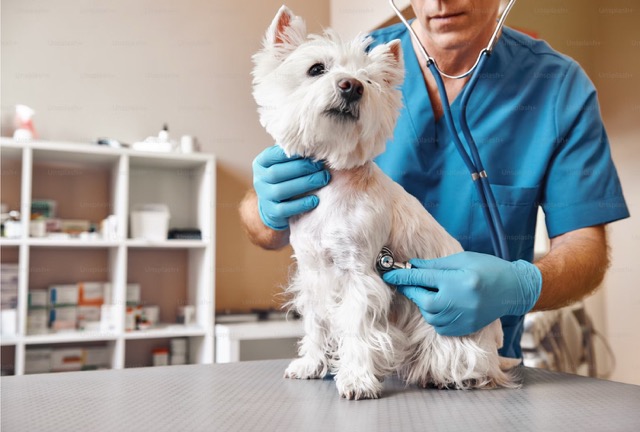
Consider a senior dog who still enjoys family time but no longer wants long walks. His coat has become thin, his skin seems more vulnerable to recurring problems, and his weight has increased even though his meals haven't changed. Those signs can occur with several conditions, so they don't establish hypothyroidism on their own. A veterinarian may use the physical examination and thyroid blood tests to determine whether the dog is producing too little thyroid hormone.
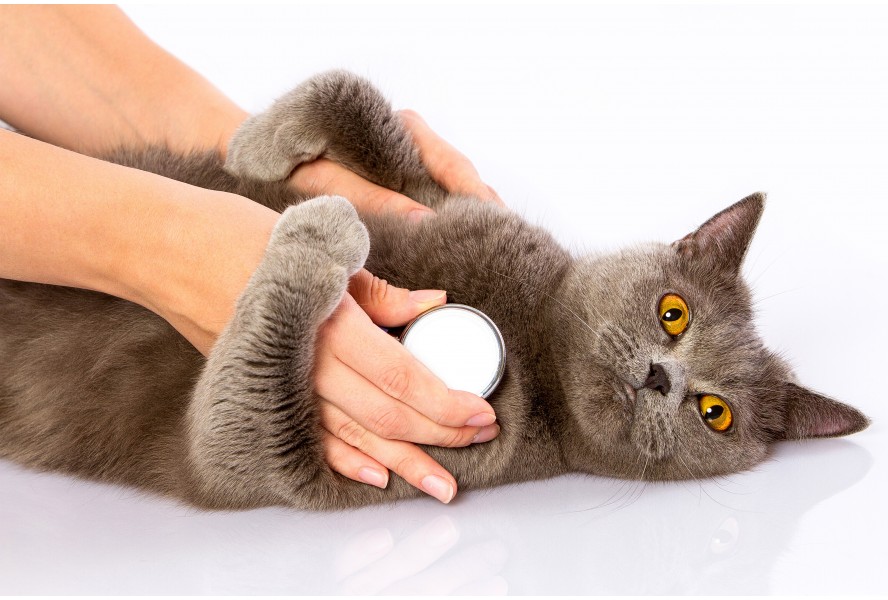
A different pattern often appears in a cat. The cat may eat enthusiastically yet lose weight, seem unusually restless, vomit, or develop a noticeably faster heartbeat. These findings can point toward hyperthyroidism, but other illnesses can look similar. Testing is what separates a thyroid disorder from ordinary aging, digestive disease, kidney disease, or another medical problem.
The practical question: Thyroid hormone therapy is for a confirmed hormone imbalance, not for a vague symptom such as tiredness, weight change, or hair loss.
Two opposite treatment goals
In canine hypothyroidism, the thyroid gland doesn't provide enough hormone for normal body function. Levothyroxine, a synthetic form of thyroid hormone, supplies replacement T4 under veterinary direction. Treatment is generally lifelong. The FDA explains that dogs with hypothyroidism require lifelong thyroid hormone replacement, and identifies Thyro-Tabs Canine and ThyroKare as FDA-approved levothyroxine sodium products for this indication.
Feline hyperthyroidism moves in the other direction. The thyroid produces too much hormone, so a veterinarian may prescribe an antithyroid medicine such as methimazole to reduce production. This isn't a replacement treatment, and owners shouldn't substitute levothyroxine for methimazole or change either medicine without veterinary guidance. You can also learn why routine veterinary visits remain important when using online pharmacies.
The rest of the process becomes clearer once you understand what thyroid hormones do, why dogs and cats develop different thyroid disorders, and how monitoring and refill continuity protect a long-term prescription.
How Thyroid Hormone Therapy Works in the Body
The thyroid gland acts like a small thermostat in the neck. It helps set the pace of processes such as energy use, body temperature, heart activity, digestion, and coat maintenance. The principal hormones discussed in treatment are T4, or thyroxine, and T3, or triiodothyronine.
A useful analogy is to think of T4 as stored reserve and T3 as the form the body can use more actively. The body converts T4 into T3 as needed. Levothyroxine supplies T4, giving the body raw material for that normal conversion process rather than attempting to force a single symptom to change.

Replacement and suppression are different
For a dog with confirmed hypothyroidism, levothyroxine supplements the T4 the body isn't producing adequately. As hormone availability becomes appropriate, the veterinarian evaluates laboratory results alongside changes in energy, body condition, skin, and coat.
For a cat with hyperthyroidism, the problem is excess hormone production. Methimazole works in the opposite therapeutic direction by limiting the thyroid's production of new hormone. The cat isn't missing T4, so giving replacement hormone would not address the underlying problem.
The history of human thyroid treatment helps explain why levothyroxine became central to replacement therapy. Thyroid extracts were used before the U.S. FDA was created in 1906, and they remained the only thyroid replacement option when federal authority expanded in 1938. Levothyroxine was commercially synthesized in 1949, sodium L-thyroxine was recognized as better absorbed than free acid thyroxine by 1962, and later FDA quality requirements reflected its narrow therapeutic index, with potency required to remain within 95–105% throughout shelf life. These historical details are summarized in this review of levothyroxine development and regulation.
Owners seeking broader background on dosing concepts can review this thyroid hormone protocol for TRT, but human-oriented information shouldn't replace a veterinarian's instructions for a dog or cat. Species, diagnosis, product, laboratory results, and feeding routine all matter.
Thyroid Disease in Dogs and Cats Compared
Dogs and cats can both develop thyroid disease, but the common clinical patterns differ sharply. Dogs more often need hormone replacement for hypothyroidism, while cats more often need treatment that suppresses excessive thyroid activity.
In dogs, hypothyroidism is commonly associated with lymphocytic thyroiditis, an immune-mediated process, or with idiopathic thyroid atrophy. It often develops in middle-aged or older dogs. Owners may notice weight gain, reduced energy, symmetrical hair loss, or recurring skin and ear infections, although none of these signs can confirm the diagnosis by itself.
Cats more commonly develop hyperthyroidism because of a benign functional adenoma in one or both thyroid lobes. The enlarged or overactive tissue produces excess T4. Affected cats may lose weight while eating eagerly, become unusually active, vomit, or develop a high heart rate. A veterinarian typically confirms the pattern with total T4 testing, sometimes using another test when the result is borderline.
The diagnostic contrast
For a dog, a low T4 result may need interpretation alongside TSH and the pet's clinical picture because illness and other factors can affect thyroid measurements. For a cat, a high total T4 can support hyperthyroidism when it matches the examination and symptoms. The veterinarian decides which tests are appropriate and how to interpret them.
| Feature | Dogs, Hypothyroidism | Cats, Hyperthyroidism |
|---|---|---|
| Typical direction | Too little thyroid hormone | Too much thyroid hormone |
| Common thyroid process | Lymphocytic thyroiditis or idiopathic atrophy | Functional adenoma in one or both lobes |
| Common pattern | Weight gain, lethargy, coat or skin changes | Weight loss, increased appetite, hyperactivity |
| Main laboratory focus | Low T4, often interpreted with TSH | High total T4, with additional testing if borderline |
| Treatment direction | Replace missing hormone | Suppress excess hormone |
The medication choice follows the biology. Methimazole for cats is relevant to feline hyperthyroidism, while levothyroxine is the replacement therapy used for diagnosed canine hypothyroidism. One shouldn't be treated as a general thyroid medicine for every pet.
Levothyroxine Dosing and Administration Basics
A levothyroxine prescription isn't a universal recipe. The veterinarian considers the pet's species, body size, body condition, diagnosis, product, feeding routine, and follow-up results. In canine hypothyroidism, the AAHA guidelines describe an oral starting dose of 0.02 mg/kg twice daily, with dosing based on estimated lean body weight in obese dogs and administration on an empty stomach to reduce absorption variability. The AAHA canine guidance also emphasizes timed monitoring after dosing.
For cats with hypothyroidism, the usual starting dose is lower in absolute terms, 0.05–0.1 mg per day, with a target total T4 generally 1.0–3.0 mcg/dL. Clinical improvement may lag behind biochemical improvement by 2–3 months, as described in the AAHA endocrinopathy guidelines for dogs and cats.
Give every dose the same way
Food can change absorption, so consistency matters more than an improvised “perfect” schedule. Some veterinary instructions specify an empty stomach, while a product label may instruct owners to give the tablet consistently with food or consistently without food. Follow the directions for the prescribed product, and don't switch routines casually.
Commercial canine tablet strengths may include 0.1 mg, 0.2 mg, 0.3 mg, 0.4 mg, 0.5 mg, 0.6 mg, 0.7 mg, and 0.8 mg. The veterinarian may choose a strength or dosing frequency that fits the pet's needs. Don't split, crush, or substitute a tablet unless the prescribing veterinarian or pharmacist has specifically explained how.
| Species | Starting dose | Frequency | Common tablet strengths | Brand examples |
|---|---|---|---|---|
| Dogs | 0.02 mg/kg | Twice daily in AAHA guidance | 0.1 mg through 0.8 mg options may be available | Thyro-Tabs Canine |
| Cats with hypothyroidism | 0.05–0.1 mg per cat | Daily | Selected by the veterinarian | Product choice requires veterinary direction |
The FDA-approved Thyro-Tabs Canine label lists 0.1 mg per 10 pounds, equivalent to 0.01 mg/lb or 0.022 mg/kg, given once daily or divided every 12 hours. It instructs that serum total T4 be measured 4–6 hours after administration and that rechecks occur every 4–8 weeks until maintenance is established. You can review the Thyro-Tabs Canine prescribing label and explore this canine levothyroxine option. If a dose is missed, ask the prescribing veterinary team what to do. Don't double the next dose without instructions.
Monitoring Thyroid Levels and Adjusting the Dose
The prescription starts the treatment, but monitoring makes the treatment precise. A veterinarian commonly measures serum total T4 because it shows how much circulating hormone is available after the pet receives levothyroxine. The timing matters. For dogs, the post-pill sample is ideally collected 4–6 hours after dosing, when the post-pill peak can be assessed.
The Thyro-Tabs Canine label calls for rechecks every 4–8 weeks until the maintenance dose is established. The AAHA guidance similarly recommends measuring canine total T4 4–6 hours after dosing and adjusting treatment monthly until the post-pill result reaches the upper half or slightly above the reference interval. The veterinarian interprets this result with clinical signs, not as an isolated number.
What the follow-up cycle looks like
A low result may suggest inadequate exposure, missed doses, an absorption issue, or the need for a dose change. A high result can raise concern about excessive exposure. The veterinarian may adjust the amount or frequency, then repeat testing after the appropriate interval rather than making rapid changes at home.
Some clinicians add free T4 or TSH when the case is borderline or the results don't match the pet's clinical picture. Between visits, record energy, appetite, body weight, coat condition, thirst, and any unusual restlessness. Those observations give the veterinarian context that a single blood sample can't provide.

Bring the dosing details: Tell the clinic the exact product, strength, administration time, relationship to meals, and the time the blood sample was collected. Those details can change how the result is understood.
Chronic treatment often involves more than one medication. For example, a diabetic cat may also need insulin management, so owners should keep each medication's timing and monitoring instructions organized. Guidance about Lantus insulin for cats is separate from thyroid treatment, but the same principle applies: don't adjust a prescription based on a single home observation.
Side Effects, Interactions, and Long-Term Safety
Most safety concerns arise from a mismatch between the prescribed exposure and the pet's needs, inconsistent administration, an interaction that changes absorption, or a missed monitoring appointment. Too little thyroid hormone may leave a dog lethargic, prone to weight gain, or affected by ongoing coat changes. Too much may contribute to restlessness, panting, weight loss, increased drinking, or other signs that require veterinary review.
Medication history matters just as much. Tell the veterinarian about sucralfate, antacids, calcium, iron, and chronic-disease medicines before the prescription is adjusted. These products can affect how levothyroxine is absorbed or how the pet is managed overall. The veterinarian or pharmacist may recommend separating administration by at least two hours, but owners should follow the specific spacing instruction for their pet's products.
Routine protects against avoidable errors
Levothyroxine has a wide safety margin when it's prescribed, administered, and monitored correctly. That doesn't make unsupervised changes safe. A sudden substitution with a human formulation, doubling after a missed pill, or continuing an outdated dose after the pet's body weight or health changes can create problems.
Keep the medicine in its original container and follow the product's storage instructions. The DailyMed label instructs owners to give Thyro-Tabs Canine consistently either with food or without food to reduce day-to-day variation in serum total T4, and to keep the product out of reach of dogs, cats, and other animals to prevent accidental ingestion or overdose. Read the official medication-label guidance for pets and contact a veterinarian promptly if accidental ingestion occurs.

Long-term success depends on a repeatable routine. Give the prescribed dose as directed, record missed or unusual doses, maintain an updated medication list, and arrange laboratory monitoring before the current prescription cycle ends.
Managing Refills and Continuous Treatment
A refill is part of clinical continuity, not merely a shopping task. A dog or cat receiving lifelong therapy depends on a stable supply, while the veterinarian depends on current laboratory information before authorizing the next prescription cycle. A gap can make it harder to determine whether new symptoms reflect the disease, missed doses, or a change in dose needs.
Prescription duration and refill authorization depend on the veterinarian, the prescription, and applicable state requirements. Many chronic prescriptions are organized around a regular recheck cycle, so the clinic may need updated bloodwork before approving additional refills. Ask the veterinary team how much lead time it needs, then place the request before the bottle is nearly empty.
A dependable refill routine
Use a simple sequence:
- Check the supply: Look at the remaining tablets and the label directions rather than estimating how long the bottle will last.
- Contact the clinic early: Confirm that the prescribing veterinarian's authorization is current and that the clinic has the correct product and strength on file.
- Allow processing time: Prescription review, pharmacy processing, and shipping can each affect when the medication arrives.
- Keep the routine stable: Don't change the product, feeding relationship, or dose while waiting for a refill unless the veterinary team instructs you to do so.
- Record the next recheck: Put the expected laboratory appointment and refill date on the same calendar.
The prescribing clinic and pharmacy may exchange authorization details, product information, and directions. Owners can reduce delays by providing the pet's current information and reporting any change in the medication routine. The guide to reading pet medication labels can help you verify directions, warnings, and storage information when a refill arrives.
Bandana Rx is one online pharmacy option for prescription pet medications. Its service includes prescription verification, refill coordination, scheduled delivery tools where available, and order tracking, but prescription medications still require veterinary authorization. If recurring delivery is offered for the prescribed product, it may help owners plan regular replenishment, while the veterinarian's recheck schedule remains the clinical priority.
Practical Checklist for Pet Owners and Next Steps
A written routine can prevent small uncertainties from becoming missed doses or delayed monitoring. Keep the prescription container, latest laboratory report, veterinarian's contact information, and refill details together, whether in a household folder or a secure digital record.
Daily medication checklist
- Follow the prescribed timing: Give levothyroxine on an empty stomach when that is the veterinarian's instruction, ideally one hour before or three hours after food if specifically directed.
- Keep administration consistent: Use the same general time and the same relationship to meals each day.
- Protect the medication: Store it at room temperature in a dry place and keep it in the original container, following the product label.
- Record exceptions: Write down a missed dose, vomiting soon after administration, a product change, or any uncertainty instead of guessing about the next dose.
Observations worth recording
Watch your pet's energy, appetite, body weight, coat quality, water consumption, and overall behavior. Call the veterinary team earlier if you notice restlessness, rapid weight loss, panting, or sudden lethargy. These signs don't prove over-treatment or under-treatment, but they deserve professional interpretation.
For follow-up, the veterinarian may schedule an initial recheck after 4–6 weeks, then continue monitoring at intervals such as every 6 months once the pet is stable. Blood collection is commonly timed 4–6 hours after the pill for canine levothyroxine monitoring, so ask exactly when the dose should be given before the appointment.
Finally, set a phone reminder for the refill lead time and keep the latest lab report accessible. You can view thyroid medication options through Bandana Rx and request prescription fulfillment only after the veterinary authorization and product details are confirmed.
Visit Bandana Rx to review prescription thyroid medication options for dogs and cats, manage refill requests, and coordinate ongoing veterinary authorization. Keep your pet's treatment continuous by pairing pharmacy planning with scheduled monitoring and your veterinarian's instructions.