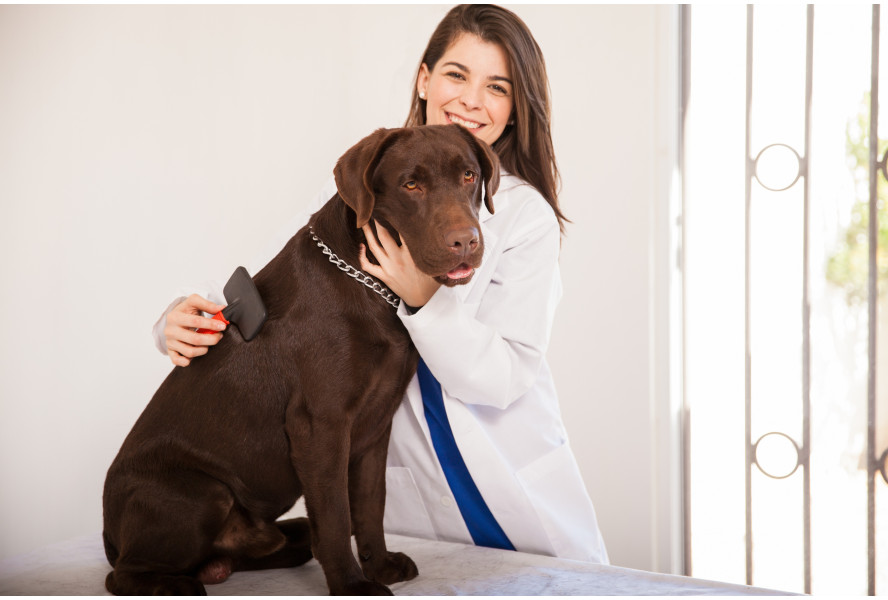





Your dog used to pull you down the sidewalk. Now your older Labrador lags behind, pauses at the stairs, or abandons fetch after a few throws. Those changes can look like ordinary aging, but they may also signal osteoarthritis, a painful joint condition that is often managed more effectively when recognized early.
Meloxidyl for dogs is not a general-purpose pain pill. It's a prescription meloxicam product labeled for canine osteoarthritis pain and inflammation. Its usefulness depends on choosing the right patient, measuring the dose accurately, checking for drug interactions, and monitoring your dog over time. This guide explains where it fits, what owners should watch for, and why long-term treatment requires an active veterinary plan.
Table of Contents
- When Your Dog Starts Slowing Down on Walks
- What Meloxidyl Is and How It Works
- How Dosing Is Designed for Daily Use
- When Meloxidyl Should Not Be Used
- Side Effects to Watch For at Home
- Monitoring a Dog on Long-Term Therapy
- Why Study Safety and Real-World Use Differ
- Putting Meloxidyl in Context
When Your Dog Starts Slowing Down on Walks
A dog with developing osteoarthritis may not cry out or limp dramatically. Instead, the changes are subtle. Your dog may take longer to rise from bed, avoid jumping into the car, hesitate before climbing stairs, or stop playing sooner than usual. An older Labrador that once raced after every ball may still seem cheerful while doing less.
That pattern matters because joint discomfort can reduce mobility and quality of life before owners recognize it as pain. Osteoarthritis is a common explanation for gradual stiffness and reluctance to move, but a veterinarian still needs to examine your dog and rule out other causes. A change in gait, energy, or willingness to exercise shouldn't be diagnosed from behavior alone.
A management plan has more than one part
Veterinary arthritis care usually combines several tools rather than relying on one prescription. The plan may include maintaining a healthy body condition, choosing low-impact exercise, improving traction on slippery floors, providing supportive bedding, and considering joint-supportive nutrition. Owners can also learn more about the evidence and limitations of supplements in this guide to joint-support supplements.
Medication may become appropriate when discomfort continues to limit normal activity. Meloxidyl can help control osteoarthritis pain and inflammation in dogs when a veterinarian determines that the benefits outweigh the risks. It shouldn't replace diagnosis, lifestyle adjustments, or follow-up care.
Practical rule: A dog that moves less deserves an evaluation, not an assumption that slowing down is simply part of getting older.
The most useful starting point is a clear baseline. Note how easily your dog gets up, how far they walk comfortably, whether they still want to play, and which movements cause hesitation. Those observations help your veterinarian judge whether treatment is helping and whether the plan needs adjustment.
What Meloxidyl Is and How It Works
Your dog may still want to walk, yet hesitate on stairs or take longer to stand. Meloxidyl is designed for situations where a veterinarian has identified osteoarthritis pain and inflammation, not as a general-purpose pain pill.
Meloxidyl is a prescription oral suspension containing meloxicam, a nonsteroidal anti-inflammatory drug, or NSAID, for dogs. The FDA lists meloxicam among veterinary pain relievers approved for dogs in oral and injectable forms, including for control of osteoarthritis pain and inflammation. Canine and feline products are not interchangeable, and Meloxidyl's client information states that it is for dogs only. The FDA's guidance on pain relievers for pets explains why species and route matter.
Meloxicam acts on the cyclooxygenase, or COX, pathway, which helps produce inflammatory mediators. Its pharmacology is commonly described as having greater COX-2 selectivity than nonselective NSAIDs, with the aim of reducing inflammation while preserving more COX-1 activity. Selectivity narrows the drug's target. It does not remove NSAID risks involving the digestive system, kidneys, liver, or bleeding.
Why the label matters
The canine label ties the product to a species, condition, and dosing framework. Meloxidyl should not be substituted with a human meloxicam product, another animal's prescription, or an over-the-counter human pain reliever. A veterinarian selects the formulation and dose after reviewing the dog's health history, examination findings, and other medications.
FDA records show dog-specific meloxicam approvals, including Metacam injection for dogs on November 12, 2003, and later oral-suspension generic approvals, including ANADA 200-817 on July 21, 2025 and ANADA 200-856 on June 22, 2026. This approval history shows an established veterinary category, not permission to use any meloxicam product without veterinary direction. The records appear in the FDA's recent animal-drug approvals.

For related background, this resource on pain management for dogs after surgery describes prescription pain control in another setting. Surgical pain and chronic osteoarthritis differ, so the prescribing veterinarian must set the treatment plan and duration.
How Dosing Is Designed for Daily Use
The labeled Meloxidyl regimen uses a one-time loading dose of 0.2 mg/kg on day one, followed by 0.1 mg/kg once daily. The FDA label also expresses those amounts as 0.09 mg/lb initially and 0.045 mg/lb for maintenance, with the dosing syringe calibrated to deliver the daily maintenance dose by pounds. The FDA product labeling should be treated as the reference for the labeled framework, while your veterinarian's prescription controls your dog's actual instructions.
The first dose is higher to establish exposure efficiently. The maintenance dose is lower because meloxicam remains in the canine body for a relatively long time. Its canine elimination half-life is about 24 hours, supporting a q24h schedule, and published veterinary pharmacokinetic information describes an approach to steady state in roughly two days. Oral bioavailability approaches 100%, and peak serum concentration occurs after about 7.5 hours at 0.2 mg/kg, according to the FDA labeling and pharmacokinetic information provided in the Meloxidyl product document.
The labeled design at a glance
| Dose phase | Amount (mg/kg) | Route | Frequency | Clinical purpose |
|---|---|---|---|---|
| Initial loading dose | 0.2 mg/kg | Oral | Once on day one | Establishes initial drug exposure |
| Maintenance dose | 0.1 mg/kg | Oral | Once every 24 hours | Maintains ongoing exposure |
The syringe and concentration matter. Owners should measure the dispensed liquid with the supplied device and follow the prescription label, not estimate a volume with a household spoon. Body weight, concentration, and the prescribed product all affect the amount drawn into the syringe.
Measurement matters: Don't convert a dose yourself or use another dog's syringe without confirming the instructions with the prescribing team.
A missed dose or accidental extra dose can change exposure in a medication designed for daily use. Don't double the next dose or alter the schedule independently. Call the veterinary practice or follow the specific missed-dose instructions supplied with the prescription. Guidance on interpreting dose directions, warnings, and storage is available in this pet medication label guide.
When Meloxidyl Should Not Be Used
Meloxidyl isn't appropriate for every dog. The U.S. product information identifies important exclusions, including dogs younger than 6 months, dogs with a known hypersensitivity to meloxicam or other NSAIDs, and dogs with active gastrointestinal bleeding or bleeding disorders. It also warns against concurrent corticosteroid use. A veterinarian needs the complete medication list before prescribing, including products that may not seem relevant to pain.
Safety hasn't been established for breeding dogs or for dogs that are pregnant or lactating. The same caution applies to dogs with pre-existing kidney, liver, or heart disease. A stable diagnosis doesn't automatically make treatment unsafe, but it does mean the prescriber must assess the risk, consider alternatives, and decide what monitoring is appropriate. The DailyMed Meloxidyl prescribing information contains the relevant warnings and limitations.
Medication history changes the decision
Dogs shouldn't receive Meloxidyl alongside another NSAID or a corticosteroid unless a veterinarian has created a specific transition plan. The label also calls for caution with nephrotoxic drugs and medicines that bind extensively to plasma proteins. Dehydration, low blood pressure, kidney disease, liver disease, and other illnesses can further change the safety picture.
Meloxidyl oral suspension hasn't been evaluated in cats. Never transfer a dog's prescription to a cat, even if both animals appear to have similar symptoms. The FDA describes meloxicam products by species and route, and its veterinary NSAID guidance emphasizes that approved NSAIDs are prescription medications for specific uses.
If your dog takes a diuretic, blood-pressure medicine, or another chronic medication, tell the veterinarian before treatment begins. For example, furosemide is a prescription diuretic, and a dog receiving it needs an individualized review before an NSAID is considered. These cautions don't predict automatic harm. They explain why patient selection and monitoring belong with the veterinarian.
Side Effects to Watch For at Home
Most owner observations fall into the digestive or general-energy categories. Product information lists vomiting, diarrhea, blood in feces, gastric ulcer, small-intestine ulcer, appetite loss, and lethargy among reported adverse reactions. European product information classifies several of these reactions as very rare, fewer than 1 animal per 10,000 treated, as explained in the European product information. That classification describes the reported frequency category, not a guarantee that an individual dog is protected.
A dog may show a mild change in appetite, softer stool, vomiting, or lower energy. Don't dismiss those signs, especially if they persist, recur, or appear soon after treatment starts. Record what you see, when it began, and whether your dog is drinking, eating, and moving normally.
Signs that need prompt veterinary attention
Contact the veterinarian promptly for:
- Digestive bleeding: Vomiting blood or passing black, tarry, or visibly bloody stool.
- Sudden appetite change: Refusing food or developing a marked loss of appetite.
- Kidney-related changes: Drinking or urinating noticeably more than usual.
- Possible liver concerns: Yellowing of the gums, eyes, or skin.
- Systemic changes: Collapse, unusual weakness, severe lethargy, or a sudden behavior change.
- Skin problems: Sores that don't heal or other unexpected skin changes.
The gastrointestinal tract is a key concern because NSAID activity affects COX pathways involved in pain and inflammation as well as protective physiological functions. Kidney and liver risks deserve particular attention in dogs with concurrent illness, reduced blood pressure, dehydration, or prolonged treatment.
If symptoms appear: Don't give the next dose until you've spoken with the prescribing veterinarian, unless that veterinarian has already provided different emergency instructions. For severe signs such as collapse, bloody stool, or vomiting blood, seek urgent veterinary care.
Monitoring a Dog on Long-Term Therapy
Long-term NSAID treatment works best as a monitored arrangement, not an automatic refill. Before the first dose, the veterinarian may perform a physical examination, review the dog's medical history and current medications, and order baseline testing such as a chemistry panel, complete blood count, and urinalysis. These steps help identify risks that may not be visible from behavior alone.
Follow-up timing depends on age, health, treatment response, and the veterinarian's judgment. Many practices reassess after the initial treatment period and then schedule recurring checks for dogs that remain on therapy. At follow-up, the veterinarian may evaluate kidney values, liver enzyme trends, protein levels, hydration, appetite, stool quality, and mobility.
What owners can track between visits
A simple home log can make appointments more useful. Record:
- Appetite and digestion: Note food refusal, vomiting, soft stool, diarrhea, or blood.
- Water and urination: Watch for a clear change from your dog's usual pattern.
- Energy and behavior: Track unusual tiredness, withdrawal, or restlessness.
- Mobility: Rate how easily your dog rises, walks, climbs, and plays.
- Medication administration: Mark each dose to reduce missed or duplicated doses.
The goal isn't to turn your home into a laboratory. It's to notice meaningful changes early and give the veterinary team reliable information. The importance of routine veterinary visits becomes especially clear when a dog uses a prescription chronically.
| Checkpoint | Timing | What is evaluated | Owner action |
|---|---|---|---|
| Initial assessment | Before treatment | Examination, history, medications, baseline testing | Provide complete health and medication information |
| Early follow-up | After treatment begins, as directed | Appetite, stool, energy, mobility, laboratory response | Report changes rather than adjusting the dose |
| Ongoing review | At intervals selected by the veterinarian | Clinical response and organ-function trends | Bring the home log and medication list |
| Urgent contact | Any time serious signs appear | Possible adverse reaction or illness | Hold the next dose pending veterinary guidance and seek care for severe signs |
Repeated vomiting, bloody stool, collapse, or sudden reluctance to move warrants an immediate call. Early attention can help the veterinarian decide whether treatment should continue, change, or stop.
Why Study Safety and Real-World Use Differ
A controlled safety study and everyday veterinary care answer different questions. In a target-animal safety study, dogs receive defined doses under controlled conditions, with planned observations and laboratory assessments. One 180-day study reported no drug-related adverse effects at 1X, 3X, and 5X label dosages across clinical observations, body weight, food intake, ophthalmic examinations, clotting times, mucosal bleeding times, and a broad pathology panel, according to the available product-safety discussion in this veterinary hospital overview.
That information is reassuring in its proper context. It shows how the product performed under the study conditions and supports the labeled safety assessment. It doesn't mean every dog has the same baseline health, receives the same medications, or will respond identically during extended clinical use.
Clinical patients bring more variables
A dog treated in ordinary practice may be older, dehydrated, recovering from another illness, or taking several medications. Owners may miss a dose, accidentally give an extra dose, or add a supplement without realizing that the veterinarian needs to know about it. These variables can change the risk assessment even when the prescription itself is appropriate.
Arthritis also changes. A dose that initially supports comfortable movement may no longer provide enough benefit as joint disease progresses. That situation calls for reassessment of diagnosis, activity, weight, rehabilitation, and the overall pain plan. It doesn't justify increasing the dose at home.
Study data and real-world caution aren't contradictory. They describe different environments. A supervised dog with periodic examinations, laboratory review, and clear owner instructions receives a different level of risk management than a dog given refills indefinitely without reassessment.
A good long-term plan asks two questions: Is the medication still helping, and is the dog still tolerating it?
That balance explains why veterinarians may continue a prescription for some dogs while requesting rechecks, changing the plan for others, or considering non-drug support alongside it.
Putting Meloxidyl in Context
Meloxidyl can be a valuable part of canine osteoarthritis care, but it isn't the whole plan. Medication addresses pain and inflammation. Weight management reduces mechanical stress on joints, controlled exercise helps preserve function, and environmental changes can make daily movement easier.
Useful adjustments may include non-slip flooring, ramps, supportive bedding, and avoiding repeated high-impact activity. Some dogs may also benefit from physical rehabilitation or veterinarian-selected adjunctive therapies. Joint-supportive nutrition can be considered as part of the broader plan, but supplements shouldn't be assumed to be risk-free or added without telling the veterinary team.
Measure benefit by daily function
Owners can judge treatment more clearly by tracking practical quality-of-life signals:
- How easily does your dog rise after resting?
- Is your dog more willing to walk or play?
- Can your dog use stairs or enter the car more comfortably?
- Does activity cause more stiffness later?
- Are appetite, stool, water intake, and energy staying consistent?
Those observations help distinguish a prescription that is supporting function from one that may need review. A dog that still moves reluctantly despite treatment may need a fresh examination rather than an automatic dose change. A dog that develops digestive or systemic signs needs prompt veterinary guidance.
The central point is straightforward. Meloxidyl is a narrowly labeled canine NSAID for osteoarthritis pain and inflammation, and its real-world value depends on correct patient selection, accurate administration, and ongoing monitoring. Used within an individualized veterinary plan, it may help keep a dog comfortable while the rest of the arthritis strategy supports mobility and quality of life.
Bandana Rx provides prescription and over-the-counter pet medications, refill coordination, and home-delivery pharmacy services for eligible U.S. customers, with prescription orders processed after veterinary authorization. Visit Bandana Rx to explore available pet-care options and coordinate medication fulfillment with your veterinarian's treatment plan.