


On Tuesday evening, your previously healthy three-year-old mixed-breed dog comes home from daycare, barks at the door, and then starts making a dry, hacking cough that sounds almost like a goose honk. You search for answers, find conflicting advice, and notice a leftover bottle of ampicillin in the cabinet. Before giving it, pause. The first question in antibiotics for respiratory infections in dogs usually isn't which drug to choose. It's whether an antibiotic is warranted at all.
A cough can come from a viral infection, bacterial disease, pneumonia, airway irritation, heart disease, or another problem that antibiotics won't treat. This guide follows the reasoning a veterinarian uses, from the first phone conversation through examination, testing, medication selection, and home care. It isn't a do-it-yourself prescribing guide, and leftover medication shouldn't be started without veterinary direction. If your dog needs symptom support while you arrange an appointment, you can review the dog cough relief options, but a veterinarian still needs to determine the cause.
Table of Contents
- When Your Dog Starts Coughing and What Comes Next
- Understanding Canine Respiratory Infections
- When Antibiotics Are and Are Not Indicated
- How Veterinarians Diagnose the Underlying Cause
- Common Antibiotic Classes for Respiratory Disease in Dogs
- Dosing Principles Routes and Duration of Treatment
- Stewardship and the Bigger Picture of Antibiotic Use
- Supporting Your Dog and Working With Your Vet
When Your Dog Starts Coughing and What Comes Next
The first call to a veterinary hospital often begins with a simple question: “My dog is coughing. Do I need antibiotics?” The veterinary team will usually ask when the cough began, whether it is dry or productive, whether your dog has been around other dogs, and whether appetite, energy, breathing, or nasal discharge has changed. Those details help separate a mild upper-airway illness from a potentially urgent lower-airway problem.
A dry cough after daycare may fit the pattern of canine infectious respiratory disease complex, commonly called kennel cough. That doesn't prove the diagnosis. A similar sound can occur with tracheal irritation, airway collapse, pneumonia, or noninfectious disease, so the history is only the opening part of triage.
What the veterinary team wants to know
Before recommending medication, the clinic may ask you to observe:
- Breathing effort: Is your dog breathing comfortably at rest, or using the abdomen and neck to work harder?
- General behavior: Is your dog bright and responsive, or unusually quiet and weak?
- Appetite and hydration: Is your dog eating, drinking, and urinating normally?
- Discharge: Is there watery discharge, or thick mucopurulent material from the nose or eyes?
- Exposure: Has your dog recently attended daycare, boarding, training, grooming, or a dog park?
These answers don't replace an examination, but they help the veterinarian decide how quickly your dog should be seen and whether respiratory precautions are needed at the clinic.
Practical rule: A cough is a symptom, not a prescription. The safest next step is identifying the problem that produced it.
The veterinarian's first decision is therefore often “observe, examine, or investigate urgently,” not “select an antibiotic.” If the dog remains bright and comfortable, the clinic may recommend monitoring and an appointment rather than immediate antimicrobial treatment. If breathing is labored, appetite has fallen, or the dog is systemically ill, the plan changes quickly.
Understanding Canine Respiratory Infections
Canine respiratory infection isn't one disease with one drug. It's a syndrome complex, much like the human cold, where different viruses and bacteria can produce overlapping signs such as coughing, sneezing, and nasal discharge. In dogs, this group of conditions is commonly called canine infectious respiratory disease complex, or CIRDC, formerly known in everyday language as kennel cough.
A shared-office analogy helps. Think of the respiratory tract as a busy office where several germs can enter and create a similar “runny nose and cough” appearance. Common organisms associated with CIRDC include Bordetella bronchiseptica, parainfluenza virus, adenovirus type 2, distemper virus, and Mycoplasma species. A dog may have one infectious agent, more than one, or a noninfectious condition that looks similar.

Why the viral and bacterial distinction matters
Most CIRDC cases are believed to be viral, which is why routine antibiotics often aren't indicated, according to the 2017 antimicrobial guideline for canine infectious respiratory disease. Bacteria may be present as a co-infection or may take advantage of irritated airways later. Antibiotics can act on susceptible bacteria, but they don't eliminate viruses.
Location matters too. The upper respiratory tract includes the nose, nasal passages, throat, and larynx. Upper-airway disease often produces sneezing, nasal discharge, and a hacking cough. The lower respiratory tract includes the trachea, bronchi, and lungs. Involvement there raises concern for pneumonia and may require imaging, airway sampling, hospitalization, or a different antimicrobial strategy.
Vaccination doesn't prevent every respiratory illness, but it can be part of a veterinarian-designed prevention plan for dogs with exposure to group settings. Ask your veterinarian whether a product such as Nobivac Canine Intra-Trac Oral BB is appropriate for your dog.
When Antibiotics Are and Are Not Indicated
A veterinarian may recommend watchful waiting even when a dog is coughing. That isn't passive care. It reflects the fact that most uncomplicated CIRDC cases are viral and often improve without antibiotics. Expert guidance for suspected canine upper respiratory infection recommends withholding antibiotics during the first 7 to 10 days when a dog remains bright and has a normal appetite, while reserving treatment for systemic illness or suspected secondary bacterial disease (Today's Veterinary Practice guidance).
The observation period isn't a rigid rule for every dog. A puppy, senior dog, immunocompromised dog, or dog with breathing difficulty may need earlier evaluation. A dog that worsens instead of improving during a 10-day observation period also moves out of the simple watch-and-wait category, according to the 2017 CIRDC guideline.
The decision tree in plain language
| Clinical finding | Supports antibiotics | Supports watchful waiting |
|---|---|---|
| Overall condition | Fever, lethargy, or reduced appetite | Bright, comfortable, and eating normally |
| Nasal discharge | Mucopurulent discharge combined with systemic illness | Mild or watery discharge without systemic illness |
| Course | Worsening rather than improving during a 10-day observation period | Mild cough that remains stable or begins improving |
| Lung concern | Findings or imaging consistent with pneumonia | No evidence suggesting lower-airway disease |
| Likely cause | Suspected secondary bacterial infection | Uncomplicated viral CIRDC is more likely |
Owner pressure can influence prescribing, especially when a worried family wants an immediate medicine for reassurance. But an antibiotic given for a viral cough exposes the dog to medication without addressing the cause and contributes to antimicrobial resistance. A veterinarian may reasonably say “not yet” while providing monitoring instructions and clear thresholds for recheck.
Respiratory pathogens can also raise broader public-health questions, particularly when unusual animal infections are reported. For background on changing concerns around avian influenza, see this bird flu mutation update. For prescription fulfillment after a veterinarian has made the diagnosis, you can review antibiotic options for pets, but product selection must follow the prescription.
How Veterinarians Diagnose the Underlying Cause
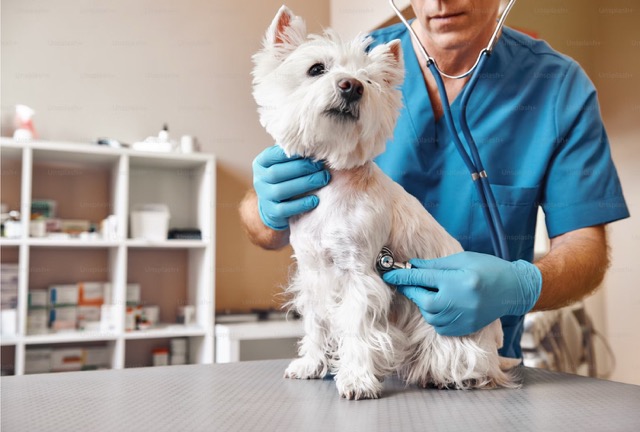
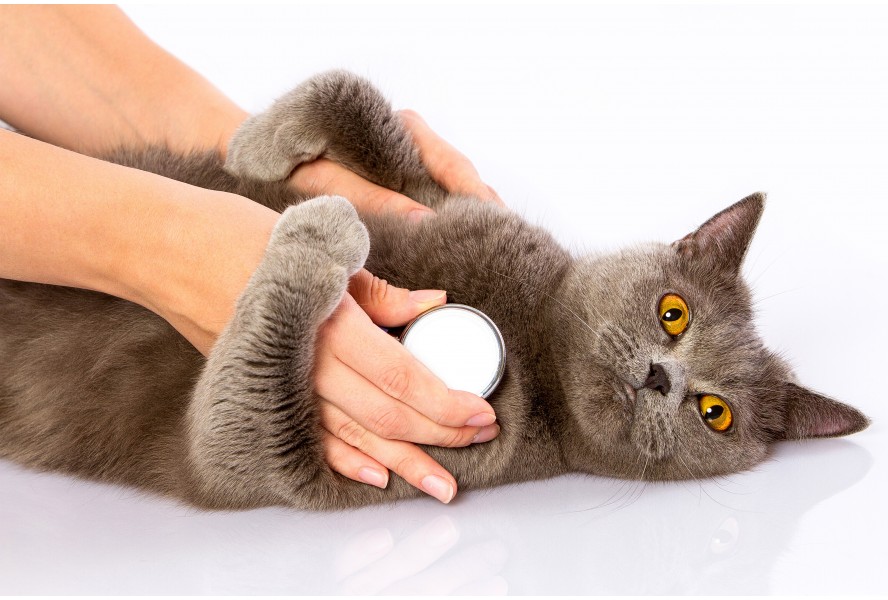
Diagnosis starts with information that doesn't require advanced equipment. The veterinarian asks about exposure, vaccination history, onset, cough character, appetite, energy, and any previous respiratory disease. During the physical examination, they assess the nose, mouth, throat, lymph nodes, temperature, hydration, and breathing pattern, then listen to the heart and lungs with a stethoscope.
A normal-sounding chest doesn't always rule out disease. If the history or examination suggests lower-airway involvement, thoracic radiographs can help identify patterns consistent with pneumonia and may also point toward other explanations. Imaging alone isn't definitive for bacterial pneumonia, so the veterinarian interprets it alongside clinical findings and, when indicated, airway sampling.

What airway samples can reveal
For suspected bacterial pneumonia, a veterinarian may collect material with a transtracheal wash or bronchoalveolar lavage. These procedures obtain fluid from the airways so a laboratory can examine the cells and organisms present. Cytology can show septic suppurative inflammation, which supports bacterial involvement, while culture identifies whether bacteria grow from the sample.
Culture becomes more useful when paired with susceptibility testing. The laboratory tests the isolated bacteria against relevant antibiotics, giving the veterinarian evidence for choosing a drug that is likely to work. Respiratory infections can contain different bacterial groups with different susceptibility patterns.
A diagnostic plan may therefore progress in layers:
- History and examination establish the clinical pattern.
- Auscultation and vital signs help assess severity.
- Thoracic imaging evaluates the lungs and helps investigate pneumonia or other disease.
- Airway cytology examines inflammation and cellular changes.
- Culture and susceptibility testing guide antimicrobial selection when bacteria are recovered.
The purpose isn't to order every test for every cough. It's to match the depth of investigation to the dog's risk, severity, and response over time. That approach reduces unnecessary antibiotics while making treatment more targeted when bacterial disease is present.
Common Antibiotic Classes for Respiratory Disease in Dogs
When bacterial disease is suspected, veterinarians choose among several antibiotic classes. The choice depends on the suspected location, likely organisms, illness severity, other medications and health conditions, and laboratory results. No class is automatically correct for every coughing dog.
The following comparison describes common clinical roles without turning the table into a home-prescribing chart.
| Antibiotic class | Example drugs | Target pathogens | Strengths | Limitations |
|---|---|---|---|---|
| Tetracyclines | Doxycycline | Respiratory organisms including Bordetella bronchiseptica and Mycoplasma species | Common first-line empiric option when bacterial respiratory disease is suspected; oral use is often practical | May not fit every patient or infection; the veterinarian must assess tolerance and response |
| Beta-lactams | Amoxicillin-clavulanate | Susceptible bacterial respiratory pathogens | Useful when susceptible bacteria are likely; combines amoxicillin with clavulanate to address some resistance mechanisms | Susceptibility varies, and it isn't a universal choice for every respiratory pathogen |
| Fluoroquinolones | Enrofloxacin, marbofloxacin | Selected Gram-negative and other susceptible bacteria | Can be important in lower respiratory disease when culture supports use; enrofloxacin showed the strongest overall susceptibility pattern in one study | Broad use should be justified; drug selection requires attention to patient factors and susceptibility |
| Macrolides | Azithromycin | Selected susceptible respiratory bacteria | May be considered in particular clinical circumstances | Resistance and pathogen coverage can limit usefulness; it shouldn't be selected by name alone |
| Potentiated sulfonamides | Trimethoprim-sulfa | Selected susceptible bacteria | Oral option in some bacterial infections | Adverse effects and patient-specific suitability require veterinary review |
In a study of 502 dogs with respiratory signs, enrofloxacin had 86% susceptibility among all bacterial isolates and 87% among Gram-negative isolates, while amoxicillin-clavulanate had 92% susceptibility among Gram-positive bacteria (study data). Those figures don't mean enrofloxacin or amoxicillin-clavulanate is best for every dog. They show why bacterial group and culture results matter.
Doxycycline is commonly recommended empirically when bacterial involvement is more likely because it covers important respiratory organisms such as Bordetella and Mycoplasma. If your veterinarian prescribes it, you can review doxycycline monohydrate for pets alongside the prescription label and pharmacist guidance.
Dosing Principles Routes and Duration of Treatment
The exact dose of a respiratory antibiotic must come from the treating veterinarian. It depends on the dog's precise weight, the suspected or confirmed infection, kidney and liver considerations, the selected formulation, and how the medication will be given. A tablet, capsule, liquid, or injectable product may contain different concentrations, so counting pills isn't a safe substitute for confirming the prescribed amount.
For kennel cough, the Merck Veterinary Manual lists example veterinary regimens when antibiotics are indicated: amoxicillin-clavulanate 12–25 mg/kg by mouth every 12 hours, trimethoprim-sulfa 15–30 mg/kg by mouth every 12 hours, enrofloxacin 10 mg/kg by mouth every 24 hours, and doxycycline or minocycline 5–10 mg/kg by mouth every 12 hours for 7–14 days (Merck Veterinary Manual dosing guidance). These are reference regimens, not instructions to start or calculate treatment independently.

Why route and duration vary
A dog with severe pneumonia may be unable to swallow safely, may be dehydrated, or may need hospital care. In those circumstances, injectable or parenteral treatment can be chosen because the veterinary team needs dependable delivery while supporting breathing and circulation. A stable outpatient may be able to take oral medication, but the route still depends on the drug and the dog's condition.
Duration isn't one fixed number. Veterinary guidance notes that uncomplicated bacterial upper-airway disease is commonly treated for 7–10 days, while deeper or more complicated disease may require a different plan (bacterial respiratory disease guidance). Follow the prescribed schedule and duration exactly. If vomiting, appetite loss, or another concerning reaction occurs, contact the prescribing clinic instead of changing the dose or abandoning treatment.
Use the measuring syringe or cup supplied for liquid medication, store the product as labeled, and don't restart old tablets for a new cough. A leftover antibiotic may be the wrong drug, expired, contaminated, or unsuitable for the current cause.
Stewardship and the Bigger Picture of Antibiotic Use
Antimicrobial stewardship means using medically important antibiotics only when necessary to treat, control, or prevent disease, and using them optimally under the oversight of a licensed veterinarian. That's the FDA's core position on responsible antimicrobial use in animals (FDA stewardship principles).
The idea is easier to remember with a fire-extinguisher analogy. An antibiotic can be useful when it is aimed at the right bacterial fire. Spraying it at a viral infection wastes the extinguisher, exposes the dog to medication, and can favor bacteria that survive the treatment.
Five stewardship habits
- Avoid unnecessary treatment: Don't use an antibiotic for a mild cough when the veterinarian finds no indication.
- Choose deliberately: Use the narrowest effective option supported by the clinical picture and, when available, testing.
- Use laboratory evidence: Culture and susceptibility testing are especially valuable in pneumonia, recurrent disease, treatment failure, or severe illness.
- Track the response: Tell the clinic whether breathing, appetite, energy, discharge, and cough are improving or worsening.
- Review prescribing decisions: Veterinarians can use outcomes and practice review to refine future antimicrobial choices.
Owners also have an important role. Give every dose at the prescribed time, don't save tablets for a future illness, and never share medication between dogs or between a dog and a person. Online ordering should support, not bypass, veterinary oversight. The FDA-labeled amoxicillin product for dogs, for example, covers specific respiratory infections caused by susceptible organisms and lists a labeled dose of 5 mg per pound twice daily, but a labeled indication doesn't make that product appropriate for every cough.
Prevention reduces pressure to prescribe. Keep vaccinations current, reduce exposure during known outbreaks, clean shared bowls and equipment, and limit stress and crowding in multi-dog homes.
Supporting Your Dog and Working With Your Vet
While your dog is being evaluated or completing a prescribed treatment, supportive care can make rest easier. Keep activity gentle, use a harness rather than a collar if pulling triggers coughing, and consider comfortably humidified air if your veterinarian agrees. Offer warmed, appealing meals when appetite is lower, and keep fresh water available.
Watch your dog rather than focusing only on the cough. Check whether the gums remain their usual healthy color, observe breathing while resting, and pay attention to drinking and urination. A skin pinch is an imperfect hydration check, especially in some patients, so contact the clinic if your dog isn't drinking, is vomiting repeatedly, or seems dehydrated.
Signs that need prompt veterinary attention
Call your veterinarian urgently if you notice:
- Breathing difficulty: Rapid or labored breathing, pronounced abdominal effort, or inability to settle comfortably.
- Color change: Blue-tinged gums or tongue.
- Abnormal discharge: Blood-tinged mucus or a sudden increase in discharge.
- Systemic illness: A temperature above 103°F, marked weakness, or sudden lethargy.
- Treatment concerns: Repeated vomiting, refusal to eat, or a reaction after medication.
Give prescribed pills exactly as directed, including any instruction about food. Don't crush, split, substitute, or combine medications unless the veterinary team or pharmacist confirms that it's appropriate. Even if the cough fades quickly, complete the prescribed course unless the prescriber changes the plan.
A licensed pharmacy can coordinate fulfillment after receiving a valid veterinary prescription. Confirm that the label matches your dog's name, medication, strength, directions, and quantity, and ask the pharmacist about storage, measuring devices, and administration. Batch or lot information can also be checked against the product packaging if your clinic or pharmacist needs it. For broader guidance on maintaining veterinary oversight while using online pharmacy services, review the importance of routine vet visits in the age of online pharmacies.
Preventive steps include appropriate vaccination, avoiding crowded dog settings during outbreaks, and separating new or symptomatic dogs from household companions as your veterinarian recommends. These measures won't eliminate every respiratory illness, but they can reduce exposure and help protect vulnerable dogs.
Bandana Rx offers prescription fulfillment and pet-health products after veterinary authorization, including antibiotic options that may be used when a veterinarian diagnoses a susceptible bacterial infection. Visit Bandana Rx to review available pet medications and coordinate an order that matches your dog's valid prescription.