No products
There are 0 items in your cart. There is 1 item in your cart.
Next order for this product:
You will be able to change this date at the next step
You will have products in your subscriptions
For a total price of (instead of ) and a delivery price of

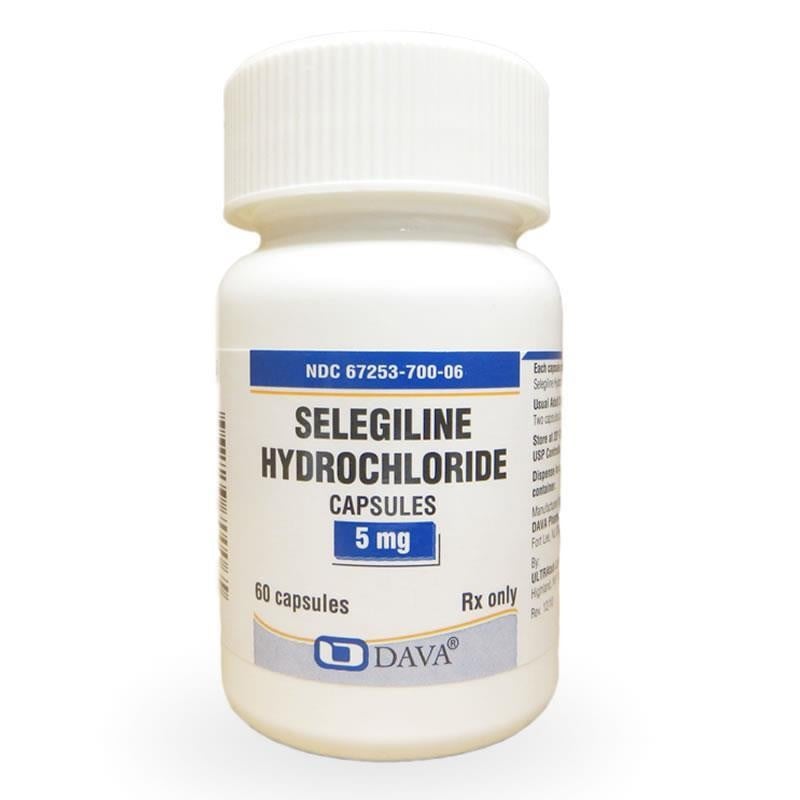
Selegiline Hydrochloride (compare to Anipryl) rx

Total for 1 qty: 
What is Selegiline?
Selegiline, also known as L-Deprenyl, is a monoamine oxidase inhibitor (MAOI) that treats Cushing's Disease and Canine Cognitive Dysfunction Syndrome (senility). Selegiline requires a prescription from your veterinarian.
For:
Dogs
Benefits:
- Easy to administer
- Once a day dosing
Cautions:
Selegiline should not be given if the pet is taking meperidine. Tell your veterinarian about any other medical conditions your pet has. Tell your veterinarian if your pet is pregnant or lactating. Because Selegiline belongs to a class of drugs called Monoamine Oxidase Inhibitors (MAOI) it should not be given with antidepressants such as Prozac. Make sure you tell your veterinarian what other medications you are giving your pet. Selegiline may cause dizziness or drowsiness. Do not give higher doses than those prescribed.
Brand Name:
Anipryl (Pfizer Animal Health)
Generic Name:
Selegiline (see-ledge'-a-leen)
What happens if I miss giving a dose:
If a dose of Selegiline is missed, give the dose as soon as possible. If it is almost time for the next dose, skip the missed dose and continue your regular schedule. Do not give two doses at one time
Possible side effects of Selegiline:
If any serious side effects occur (difficulty breathing, hives, agitation, swelling of the lips, tongue or face), stop giving Selegiline and seek emergency veterinary care. Continue giving selegiline and talk to your veterinarian if your pet develops dizziness or drowsiness, nausea, abdominal pain or diarrhea, insomnia, mild confusion, agitation or anxiety, dry mouth.
Storage:
Store this product at room temperature, away from moisture and heat.
Directions:
Give this medication exactly as directed by your veterinarian. Have plenty of water available for your pet to drink. Do not give more of this medication than is prescribed without consulting your veterinarian. Selegiline may cause drowsiness or dizziness.
Dosage:
Dogs: (when used for cognitive dysfunction) | |
| Weight | Dosage |
| All weights | The starting dose for canine cognitive dysfunction is 0.2mg-0.45mg per pound of pets body weight. It may take up to one month or more to see improvement |
Dogs: (when used for Cushing's disease) | |
| Weight | Dosage |
| All weights | The usual starting dose to treat Cushing's disease is 0.45mg per pound of pets body weight given once a day in the morning. If no result within two months, may increase to 0.9mg per pound of pets body weight. If still no response after one month of the increased dose, your pet should be reevaluated. |
| Cats: |
| Do not use! |
| Horses: |
| Do not use! |
Selegiline: | |
Active Ingredient | Amount |
| Selegiline hydrochloride, USP | 5 mg |
| Other Ingredients: Citric Acid, Anhydrous Lactose, Magnesium Stearate, and Microcrystalline Cellulose. | |
- Easy to administer
- Once a day dosing
30 other products in the same category:
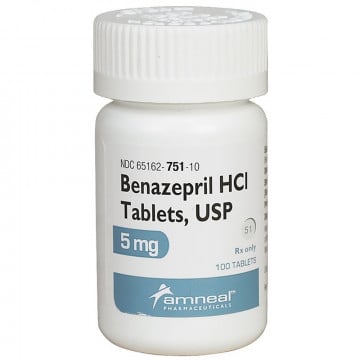
Benazepril
Benazepril is a prescription medication used in dogs and cats for the treatment of heart failure, high blood pressure, and some forms of kidney disease. Benazepril is not FDA approved for use in veterinary medicine; however, it is a commonly accepted practice for veterinarians to prescribe this medication for dogs and cats.
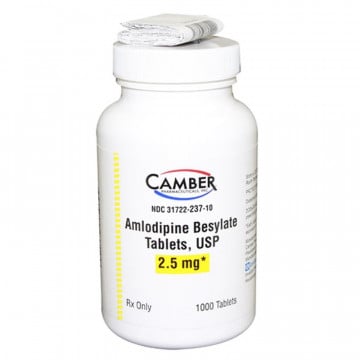
Amlodipine
Amlodipine besylate is used in cats for the treatment of systemic hypertension (high blood pressure). Although Amlodipine besylate is not FDA-approved for use in veterinary medicine, it is a commonly accepted practice for veterinarians to prescribe this medication for cats. Amlodipine requires a prescription from your veterinarian, and is sold per tablet.
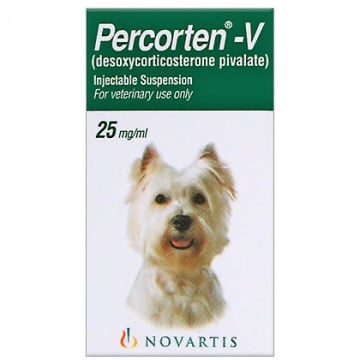
Percorten-V Injectable Suspension...
Percorten-V (desoxycorticosterone pivalate) is the only medication approved by the FDA for treating Canine Addison's Disease (hypoadrenocorticism). Percorten-V requires a prescription from your veterinarian. You will need a syringe to use Percorten-V, but it is not included in the package.
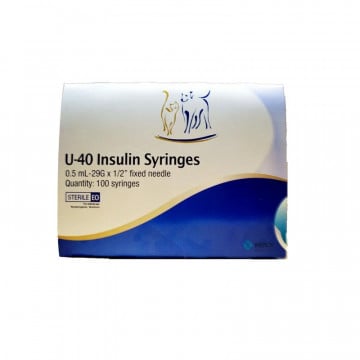
U-40 Syringes for ProZinc and...
U-40 Syringes are the preferred choice for insulin administration for ease-of-use and your pet's comfort. For veterinary use only with ProZinc Insulin. U-40 Syringes require a prescription from your veterinarian if you reside in Connecticut, Delaware, New Hampshire, New Jersey, Oklahoma, Florida (Broward and Dade counties) or New York.
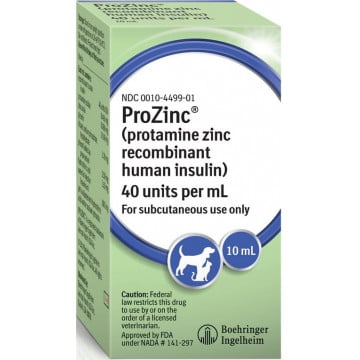
ProZinc Insulin for Dogs and Cats
ProZinc is insulin combined with zinc and protamine which helps to prolong the release of the insulin into your cat's and dog's body. ProZinc requires a prescription from your veterinarian. U-40 Syringes are sold separately. ProZinc Cat and Dog Insulin requires refrigeration and must be kept at refrigerator temperatures at all times.
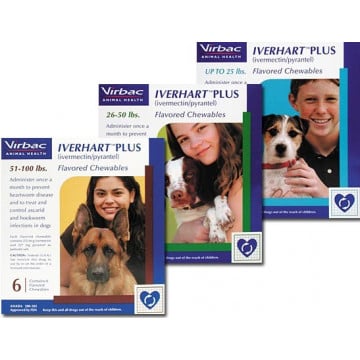
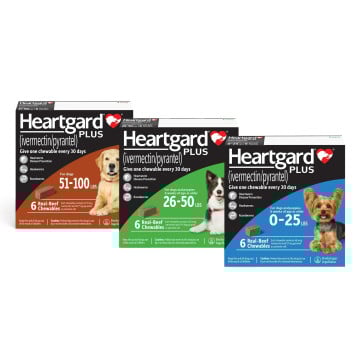
Iverhart Plus Chewables for Dogs
Ivermectin/Pyrantel for dogs is a heartworm preventative that also controls roundworms and hookworms. Ivermectin/Pyrantel is a generic equivalent to Heartgard Plus, and requires a prescription from your veterinarian. Ivermectin/Pyrantel is considered to be the #1 generic heartworm preventative recommended by veterinarians.
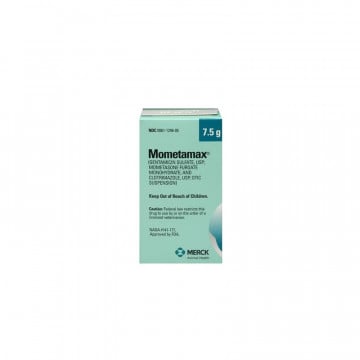
Mometamax Otic Suspension
Mometamax Otic Suspension is a once-a-day treatment for ear infections. It’s an advanced formula that includes a combination of medications with antibacterial (gentamicin sulfate), anti-inflammatory (mometasone), and antifungal (clotrimazole) properties. Mometamax requires a prescription from your veterinarian.
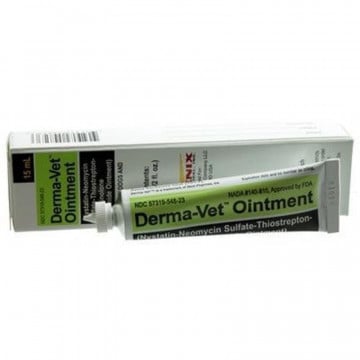
Derma-Vet (compare to Dermalone)
Derma-Vet Ointment is an antimicrobial, antifungal and corticosteroid formulation in an easy-to-apply topical gel base used in the treatment of skin disorders characterized by inflammation and dry or exudative dermatitis caused by bacterial or candidal infections.
Out of stock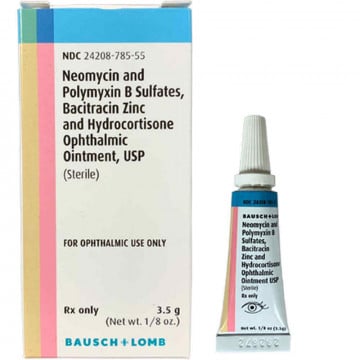
BNP with Hydrocortisone Triple...
B.N.P. with Hydrocortisone Triple Antibiotic Ophthalmic Ointment is a sterile ointment that is used to topically treat eye infections that are accompanied by inflammation. B.N.P. with Hydrocortisone Triple Antibiotic Ophthalmic Ointment requires a prescription from your veterinarian.
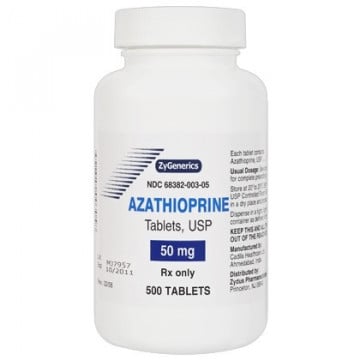
Azathioprine
Azathioprine is a prescription medication used in dogs and cats for the treatment of autoimmune diseases. Azathioprine is not FDA approved for use in veterinary medicine; however, it is a commonly accepted practice for veterinarians to prescribe this medication for dogs and cats. Azathioprine requires a prescription from your veterinarian, and is sold per tablet.
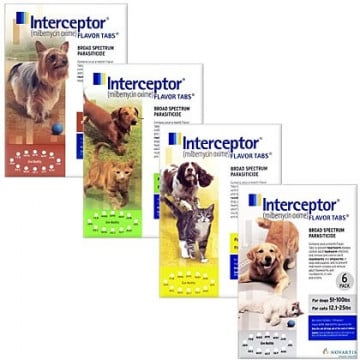
Interceptor Flavor Tabs
Interceptor Flavor Tabs are a palatable once-a-month tablet that prevents heartworm disease, controls adult hookworms, and removes and controls adult roundworms and whipworm infections in dogs. Interceptor for cats is an oral monthly preventative that protects against heartworms and removes adult roundworms and adult hookworms. Interceptor requires a prescription from your veterinarian.
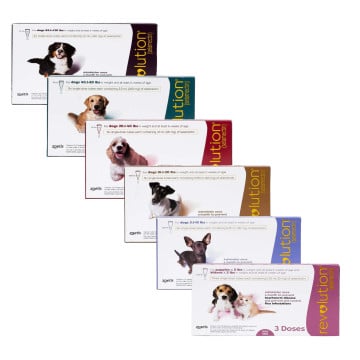
Revolution
Revolution is a safe and simple monthly topical medication used to protect your pet from heartworms, fleas, and ear mites. It also protects dogs from ticks and sarcoptic mange and cats from roundworms and hookworms. Revolution for Dogs and Cats requires a prescription from your veterinarian.
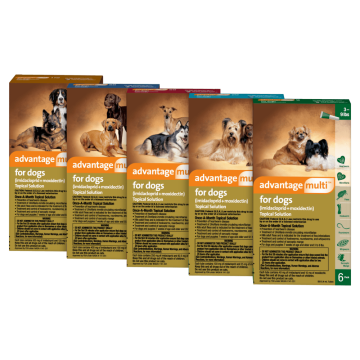
Advantage Multi for Dogs
Advantage Multi for is a once a month topical application that contains a combination of the insecticide (imidacloprid) and the parasiticide (moxidectin). Advantage Multi for Dogs is used for the prevention of heartworm and the treatment and control of flea infestations, hookworms, roundworms and whipworms. Advantage Multi requires a prescription from your veterinarian.
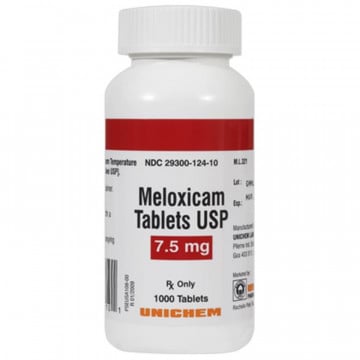
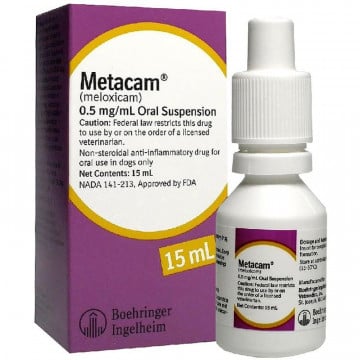
Meloxicam
Meloxicam is a nonsteroidal anti-inflammatory (NSAID) prescription medication used to reduce pain, inflammation, and stiffness as a result of acute and chronic musculoskeletal disorders such as osteoarthritis. Meloxicam requires a prescription from your veterinarian, and is sold per tablet.
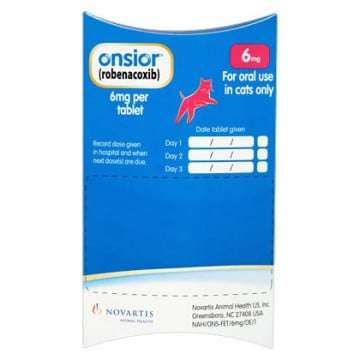
Onsior for Cats
Onsior for Cats is a non-steroidal anti-inflammatory drug (NSAID) that relieves pain and reduces inflammation associated with orthopedic and soft tissue surgery. The small, yeast-flavored tablets are favored by cats and are easy to administer. Onsior is available in a 6mg 3-pack blister packet. Onsior requires a prescription from your veterinarian.



Added to Cart