
No products
There are 0 items in your cart. There is 1 item in your cart.
Next order for this product:
You will be able to change this date at the next step
You will have products in your subscriptions
For a total price of (instead of ) and a delivery price of

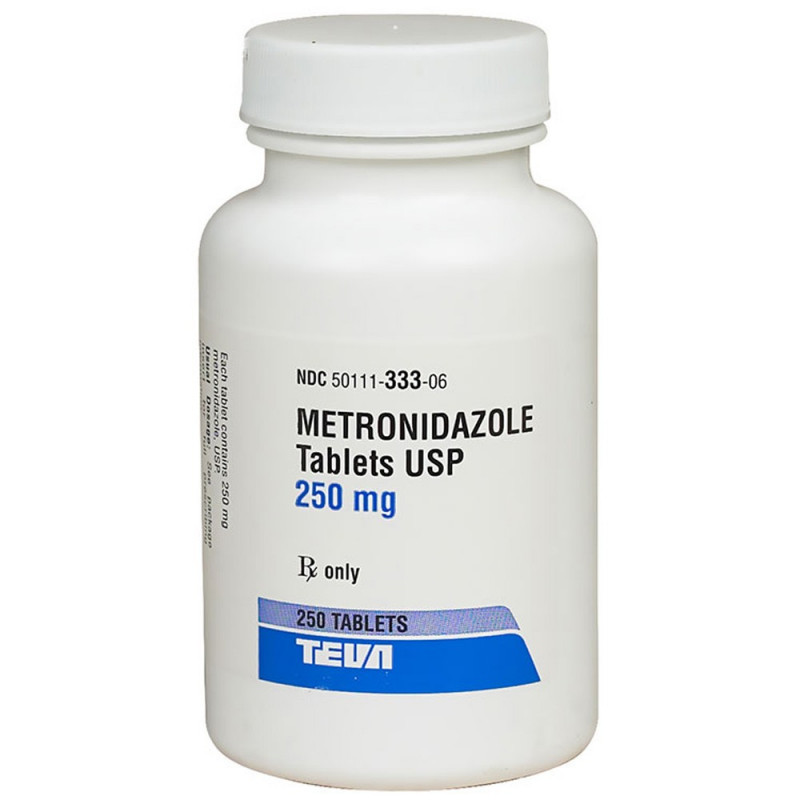


What is Metronidazole?
Metronidazole is commonly used as an anti-diarrheal medication that treat inflammation of the large intestine. It is also effective against certain protozoal and bacterial infections such as Giardia, Trichomonas and Balantidium coli. It is effective against only anaerobic pathogens, but is safe to use along with many other antibiotics for mixed infections.
Metronidazole is able to treat central nervous system infections that most other drugs cannot treat by penetrating the blood-brain barrier. It is also particularly effective against infections of the bone and teeth. Metronidazole requires a prescription from your veterinarian, and is sold by the tablet.
For:
Cats and Dogs
Benefits:
- Treats a wide range of infections and diseases.
- An antibiotic that treats inflammatory bowel disease
- Treats certain diarrheal disorders
- Effective against Giardia (intestinal parasite)
- Effective against infections of bone and teeth
Cautions:
Do not give this medication to pregnant or lactating pets. Do not give to young puppies or kittens. Use caution when administering this drug to pets with liver or kidney disease. Contact your veterinarian, if your pet has diarrhea that is watery or has blood in it, because antibiotic medications can cause diarrhea, which may be the sign of a new infection. Do not use any medication to stop the diarrhea unless told by your veterinarian.
Brand Name:
Metronidazole
Generic Name:
Metronidazole
What happens if I miss giving a dose:
Give the dose as soon as possible. If it is almost time for the next dose, skip the missed dose, and continue with the regular schedule. Do not give your pet two doses at once.
Possible side effects of Metronidazole:
Metronidazole may result in these side effects:
- Allergic reaction (labored breathing, hives, etc)
- Drooling
- Gagging
- Regurgitation
- Vomiting
- Loss of appetite
- Diarrhea
- Lethargy
- Blood in the urine, or dark urine
If your pet develops any of the above side effects, please contact your veterinarian as soon as possible.
Storage:
Store metronidazole at room temperature, away from moisture and heat.
Directions:
Give metronidazole as it is directed by your veterinarian. Follow the instructions on the prescription label. Give this medication with food, as this will increase absorption.
Dosage:
| Dogs: | |
| Weight | Dosage |
| All weights | The usual dose is 5mg-20mg/kg of your pets body weight, by mouth, in divided doses - depending on condition of the individual pet being treated - please follow veterinarian instructions. |
| Cats: | |
| Weight | Dosage |
| All weights | The usual dose is 3mg-20mg/kg of your pets body weight, by mouth, in divided doses - depending on condition of the individual pet being treated - please follow veterinarian instructions. |
| Horses: |
| Do not use! |
| Metronidazole 250mg: | |
| Ingredients | Strength |
| Metronidazole | 250 mg |
| Metronidazole 500mg: | |
| Ingredients | Strength |
| Metronidazole | 500 mg |
- Treats a wide range of infections and diseases.
- An antibiotic that treats inflammatory bowel disease
- Treats certain diarrheal disorders
- Effective against Giardia (intestinal parasite)
- Effective against infections of bone and teeth
15 other products in the same category:
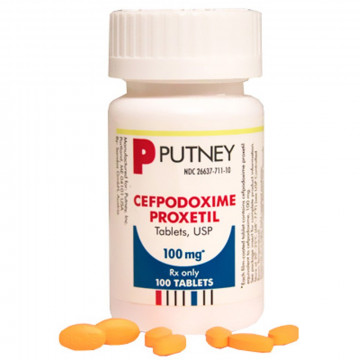
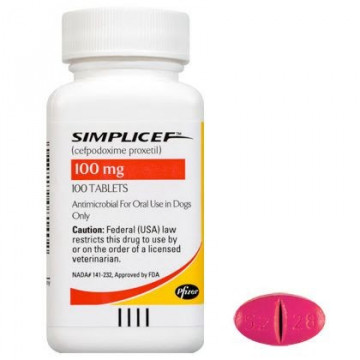
Cefpodoxime Proxetil
Cefpodoxime proxetil is an oral cephalosporin antibiotic used to treat bacterial infections of the skin, such as wounds, abscesses as well as bladder and respiratory infections in dogs and skin and soft tissue infections in cats. Cefpodoxime proxetil is not FDA approved for use in veterinary medicine; however, it is a commonly accepted practice for veterinarians to prescribe.
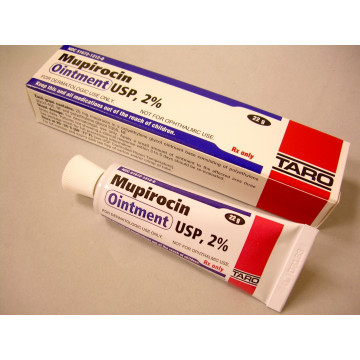
Mupirocin Ointment
Mupirocin is an antibiotic ointment used for the treatment of canine bacterial infections of the skin. These skin infections can include superficial pyoderma, caused by susceptible strains of Staphylococcus aureus and Staphylococcus intermedius. Mupirocin requires a prescription from your veterinarian.
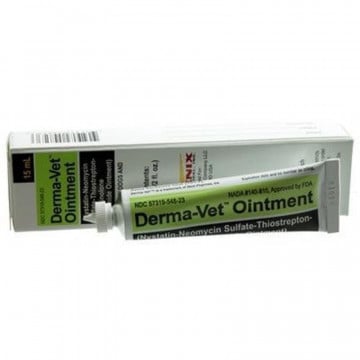
Derma-Vet (compare to Dermalone)
Derma-Vet Ointment is an antimicrobial, antifungal and corticosteroid formulation in an easy-to-apply topical gel base used in the treatment of skin disorders characterized by inflammation and dry or exudative dermatitis caused by bacterial or candidal infections.
Out of stock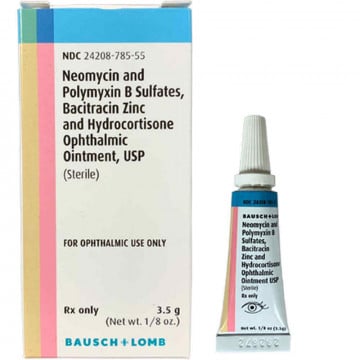
BNP with Hydrocortisone Triple Antibiotic Ophthalmic Ointment
B.N.P. with Hydrocortisone Triple Antibiotic Ophthalmic Ointment is a sterile ointment that is used to topically treat eye infections that are accompanied by inflammation. B.N.P. with Hydrocortisone Triple Antibiotic Ophthalmic Ointment requires a prescription from your veterinarian.



Added to Cart